Alphabet is preparing one of the biggest AI (artificial intelligence) funding moves in tech, with an $80 billion equity raise aimed at expanding AI infrastructure, global compute capacity, and cloud demand, while Berkshire Hathaway adds a $10 billion vote of confidence.
TL;DR
- Alphabet plans to raise $80 billion through public offerings, an at-the-market program, and a Berkshire Hathaway private placement.
- The company will use the proceeds to scale AI infrastructure and global compute.
- Berkshire will invest $10 billion, adding to the Alphabet position it has built since Q3 2025.
Alphabet Says AI Demand Is Outrunning Available Compute
Alphabet's plans to raise $80 billion in equity offerings comes as it moves to fund a larger AI infrastructure and compute buildout. The Google parent said the capital will support general corporate purposes, including capital expenditures to scale AI infrastructure and global compute.
The move comes as AI demand continues to put pressure on Big Tech's ability to deliver enough compute capacity. Alphabet said, "The company is experiencing strong demand for its AI solutions and services from enterprises and consumers, at levels that are exceeding the company's available supply."
Alphabet has already raised its annual capital spending forecast by $5 billion to between $180 billion and $190 billion. During its Q1 2026 earnings call, the company also said 2027 capital expenditures are expected to increase significantly compared with 2026.
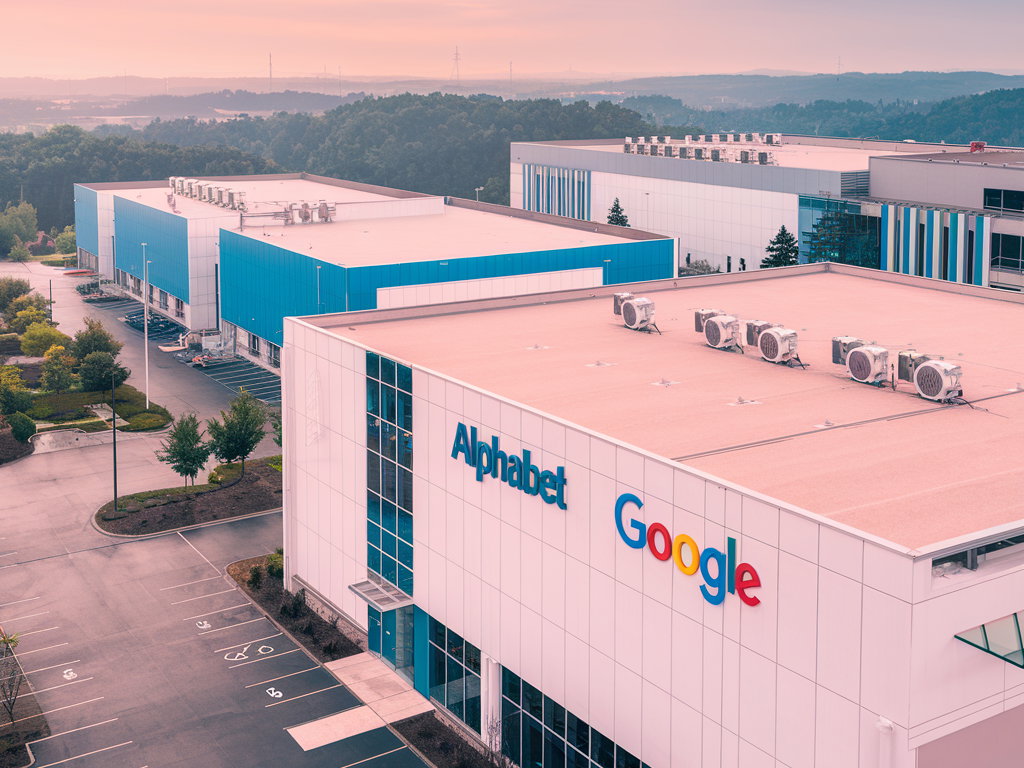
Berkshire Hathaway Adds $10 Billion To Alphabet's AI Push
The headline-grabbing part of the raise is Berkshire Hathaway's $10 billion private placement. Alphabet will sell Berkshire $5 billion in Class A common stock at $351.81 per share and $5 billion in Class C capital stock at $348.20 per share.
That investment adds to the position Berkshire has been building since Q3 2025. Last month, Berkshire said it more than tripled its stake in Alphabet, with the holding valued at $16.6 billion, making it one of Berkshire's largest common stock investments.
The deal also gives Alphabet a powerful market signal at a time when investors are watching whether AI infrastructure spending can translate into durable returns.
"All companies are thrilled when Berkshire takes positions, because it is the kind of shareholder that companies like to have," said Steven Check, President and CIO of Check Capital Management.
Bill Stone, CIO at Glenview Trust Company, added, "This additional purchase underscores that Greg Abel (Berkshire CEO) believes that Alphabet will earn a reasonable return on its AI capex spending even with the firm issuing additional shares."
How Alphabet Plans To Raise The Full $80 Billion
Alphabet's fundraising plan has three parts. First, the company expects to raise $30 billion through concurrent underwritten public offerings, split between $15 billion in depositary shares tied to mandatory convertible preferred stock and $15 billion in Class A and Class C shares.
Second, Berkshire Hathaway will buy $10 billion worth of stock through the private placement. Third, Alphabet expects to begin a $40 billion at-the-market offering program in Q3 2026, allowing it to sell Class A and Class C stock gradually over time.
Alphabet said about $30 billion of the ATM proceeds are expected to be used to meet 2026 tax obligations related to vesting employee equity awards. Any additional proceeds will go toward general corporate purposes.
Topics For More Insights
Alphabet Frames The Raise As A Balanced AI Funding Strategy
Alphabet said the equity offering is part of its plan to fund AI expansion in a balanced way while retaining a healthy balance sheet.
The company pointed to strong operating cash flow, noting that it generated $174 billion in operating cash flow over the 12 months ended March 31, 2026. It has also raised more than $85 billion in debt across six major currencies and markets over the last year, bringing its total debt balance to over $100 billion.
The company's AI momentum remains central to the pitch. Alphabet said revenue grew 22% year-over-year to $110 billion in Q1 2026, while Google Cloud revenue grew 63% and backlog nearly doubled quarter-over-quarter to more than $460 billion.
Alphabet also said Google now has more than 8.5 million developers building with its models each month, while its first-party model APIs process 19 billion tokens per minute, a 6x year-over-year increase.
The market's first reaction was more cautious, with Alphabet shares down 2% after the bell. Yet the larger message is clear: Alphabet is preparing to spend heavily, and Berkshire's entry makes its AI infrastructure gamble harder to ignore.
