
IT Infrastructure
NVIDIA Teams Up With Span And PulteGroup To Bring Mini AI Data Centers To Homes!
Updated on Thu, May 7, 2026
Share
TL;DR
- NVIDIA, Span, and PulteGroup are bringing mini AI data centers to homes and small businesses.
- Span’s XFRA units use unused local grid capacity to support distributed AI computing.
- Homeowners could lower energy costs and earn compensation through the network’s infrastructure usage.
NVIDIA has partnered with startup Span and homebuilder PulteGroup to bring mini AI data centers to homes and small commercial properties. The project centers around Span’s compact “XFRA” units, which are designed to use unused electrical capacity from local power grids through the company’s smart electrical panels.
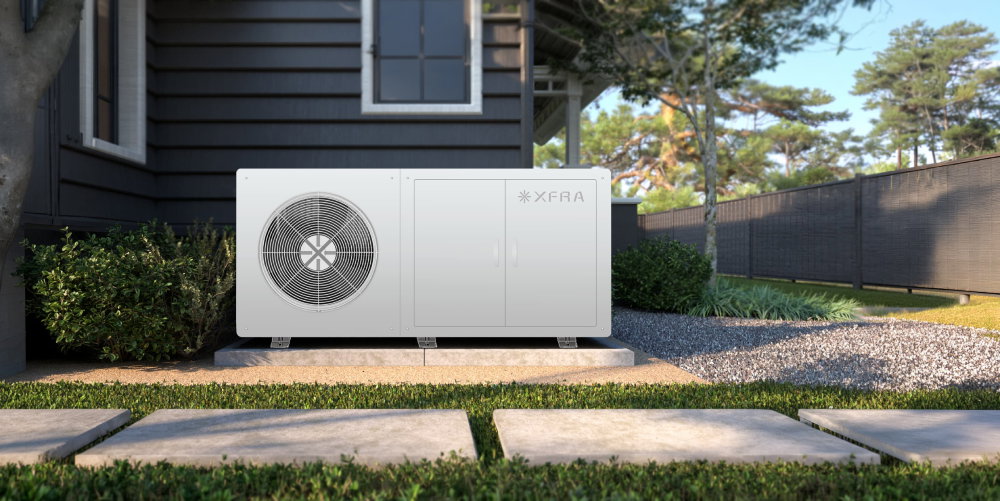
The units are installed outside homes alongside existing electrical and HVAC systems. According to Span, a network of these small nodes could collectively provide computing power similar to a traditional data center without requiring massive new facilities. The company claims the system can be deployed much faster and at a lower cost than building centralized AI infrastructure.
“Fundamentally, it’s an infrastructure play,” Arch Rao, founder and CEO of Span, told CNBC. “We’re uniquely positioned to build infrastructure that can simultaneously help us meet what is clearly an insatiable demand for more compute, much more cost effectively, while benefiting individual consumers.”
The installation package may include a smart electrical panel, an XFRA unit, backup batteries, and solar panels depending on the setup. Homeowners would pay a flat fee for electricity and Wi-Fi services while also earning compensation based on Span’s energy and network usage.
Topics For More Insights:
The partnership also aims to ease concerns linked to traditional data centers, including high electricity consumption, heat generation, and land usage. According to reports, some of the systems have already been deployed in newly built communities through PulteGroup.
“There is certainly opportunity, as SPAN can provide homeowners with access to innovative technology and potential income generation that can help offset monthly energy costs,” a Span spokesperson said in a statement. “On a larger scale, if the technology proves out, it might also keep local infrastructure from being overburdened which could keep land open for other uses, such as building homes.”
As AI infrastructure demand continues to rise, partnerships like this could shape a more distributed and energy-conscious approach to future computing networks.
First published on Thu, May 7, 2026

Enjoyed what you've read so far? Great news - there's more to explore!
Stay up to date with the latest news, a vast collection of tech articles including introductory guides, product reviews, trends and more, thought-provoking interviews, hottest AI blogs and entertaining tech memes.
Plus, get access to branded insights such as informative white papers, intriguing case studies, in-depth reports, enlightening videos and exciting events and webinars from industry-leading global brands.
Dive into TechDogs' treasure trove today and Know Your World of technology!
Disclaimer - Reference to any specific product, software or entity does not constitute an endorsement or recommendation by TechDogs nor should any data or content published be relied upon. The views expressed by TechDogs' members and guests are their own and their appearance on our site does not imply an endorsement of them or any entity they represent. Views and opinions expressed by TechDogs' Authors are those of the Authors and do not necessarily reflect the view of TechDogs or any of its officials. While we aim to provide valuable and helpful information, some content on TechDogs' site may not have been thoroughly reviewed for every detail or aspect. We encourage users to verify any information independently where necessary.
Loading comments...