Microsoft Build 2026 kicked off in San Francisco with a clear message: Microsoft wants developers and enterprises to move from app-based computing to agent-led workflows, backed by new Windows tools, local AI hardware, in-house models, OpenClaw support and quantum computing updates.
TL;DR
- Microsoft unveiled Surface RTX Spark Dev Box for local AI development.
- Windows 11 is getting Coreutils, WSL containers, Intelligent Terminal and developer configurations.
- Scout, Project Solara and OpenClaw support push Microsoft deeper into agentic AI.
- Microsoft also introduced MAI-Thinking-1 and Majorana 2.
Surface RTX Spark Dev Box Brings Local AI Compute
Microsoft introduced the Surface RTX Spark Dev Box, a compact developer machine designed for running AI and agent workloads locally. The device comes with Nvidia RTX Spark silicon, 128GB of unified memory and up to 1 petaflop of AI compute, according to Microsoft’s Windows Developer Blog.
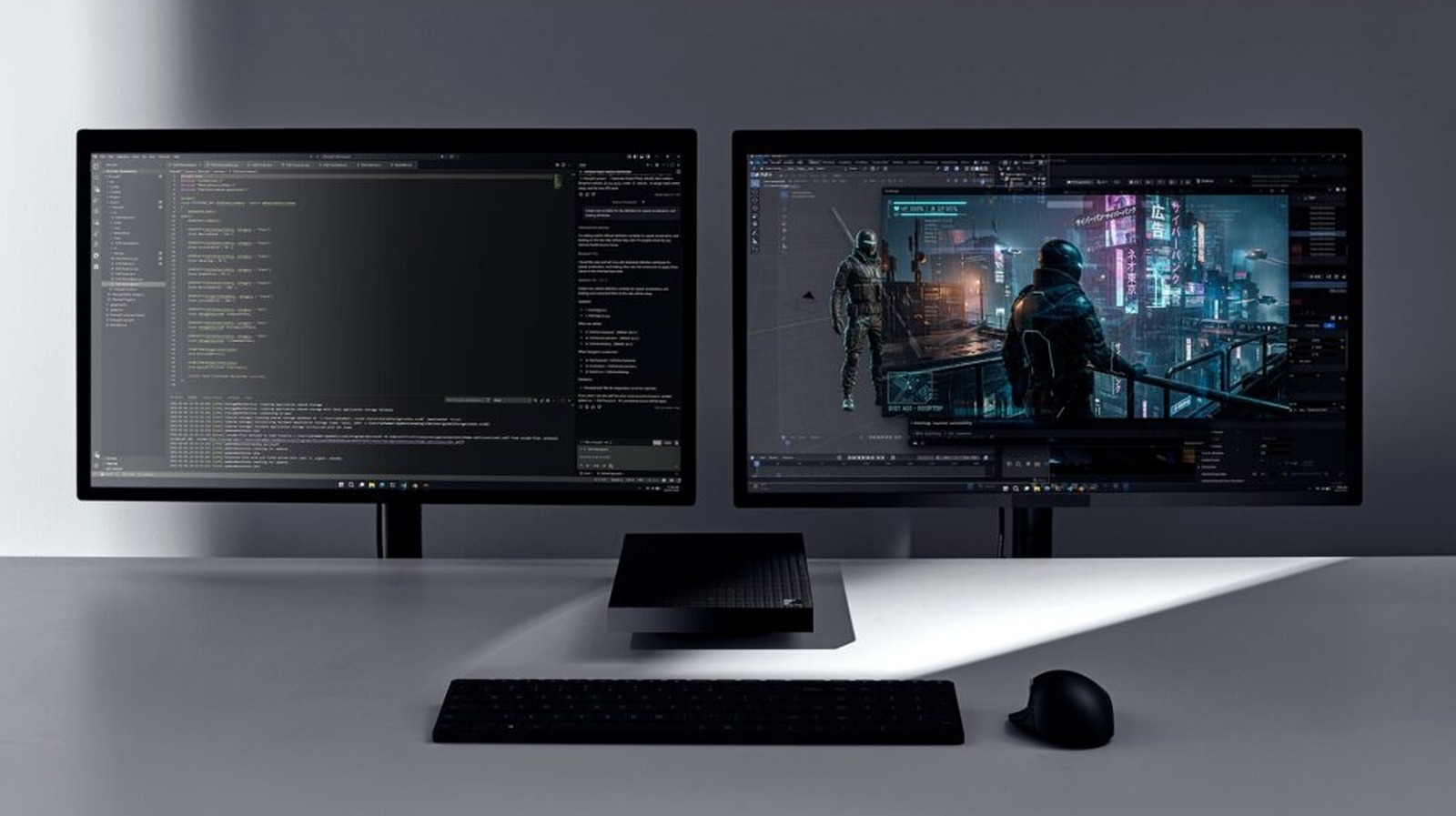
The device will ship with apps such as Visual Studio Code and GitHub Copilot, along with a preconfigured Windows 11 Pro setup. Pricing has not yet been revealed, but Microsoft says it will be available in the US later this year.
Windows 11 Gets More Developer-Friendly
Microsoft is also giving Windows 11 a stronger developer focus. New updates include Coreutils for Windows, WSL containers, Windows Developer Configurations, Windows Development Skills and Intelligent Terminal.
The company said the goal is to make Windows a more reliable environment for building and shipping software, especially as AI becomes a bigger part of the development workflow.
Project Solara Reimagines AI-First Devices
One of the more futuristic announcements was Project Solara, an Android-based platform built for agent-driven experiences across devices. Microsoft showed concept devices, including a desktop hub and a digital badge, developed with Qualcomm and MediaTek.

Reports noted that these devices have screens and microphones but do not work like traditional smartphones with apps. Instead, they host AI agents that connect to cloud systems and complete specific tasks.
Microsoft Scout Becomes An Always-On Agent
Microsoft also introduced Scout, its first Autopilot agent. Scout works across Microsoft 365 apps such as Teams, Outlook, OneDrive and SharePoint, and is designed to handle coordination tasks in the background.
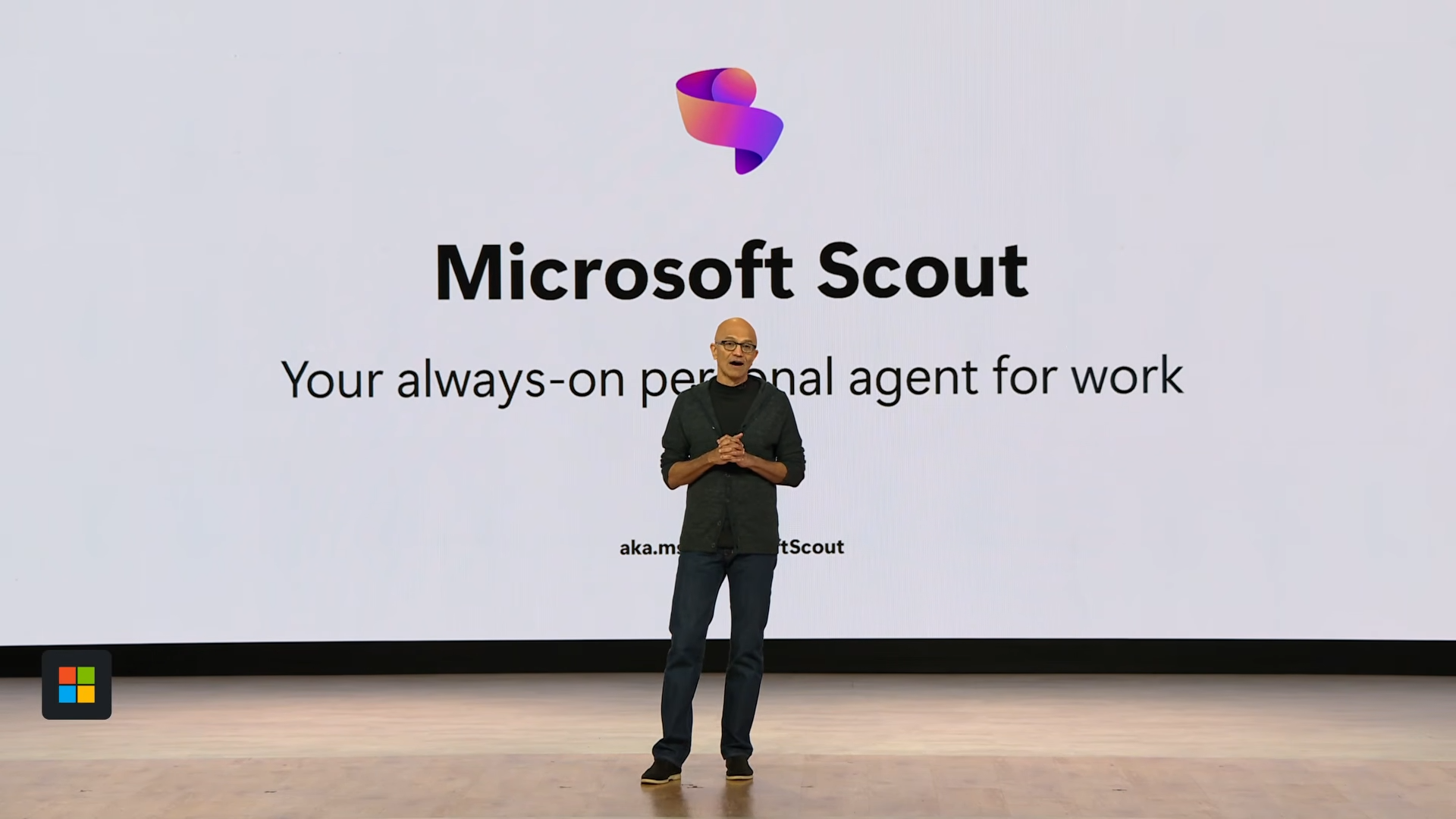
It can schedule meetings, prepare materials, identify deliverables and spot risks such as stalled decisions. Microsoft said Scout is built with enterprise-grade security and is powered by OpenClaw open-source technology.
MAI-Thinking-1 Marks Microsoft’s In-House AI Push
Microsoft also revealed MAI-Thinking-1, its first reasoning AI model. The model offers 35 billion active parameters and a 128K context window for complex instructions, long-context reasoning and code generation.

The launch reflects Microsoft’s push to control more of the AI stack as competition grows from OpenAI, Anthropic and other AI players.
Windows Adds Guardrails For AI Agents
To make agentic AI safer on PCs, Microsoft introduced Microsoft Execution Containers, or MXC. The early-preview SDK lets developers define what an agent can access, including files and networks, while enforcing containment at runtime.
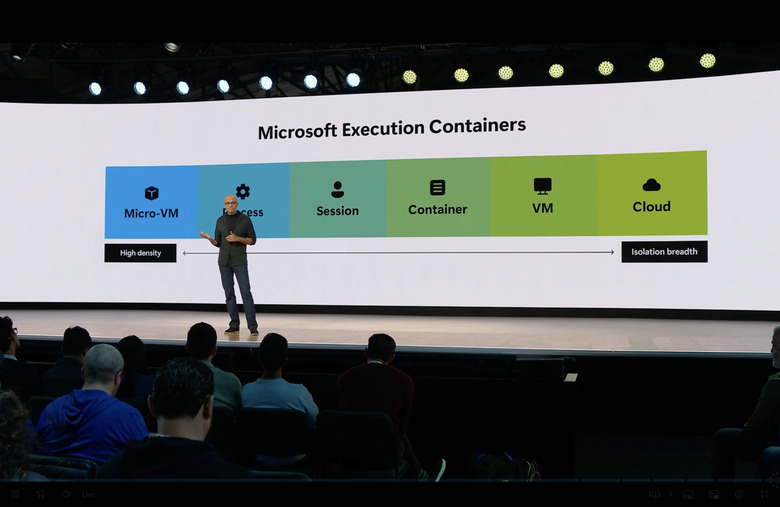
Microsoft is also launching an OpenClaw companion app, allowing users to set up agents or connect to existing ones in a sandboxed environment.
Topics for more insights:
Majorana 2 Advances Microsoft’s Quantum Roadmap
Finally, Microsoft revealed Majorana 2, its next-generation quantum chip. Microsoft says the processor contains qubits that are 1,000x more reliable than those in its previous quantum processing unit, with mean lifetimes of 20 seconds and occasional lifetimes exceeding one minute.
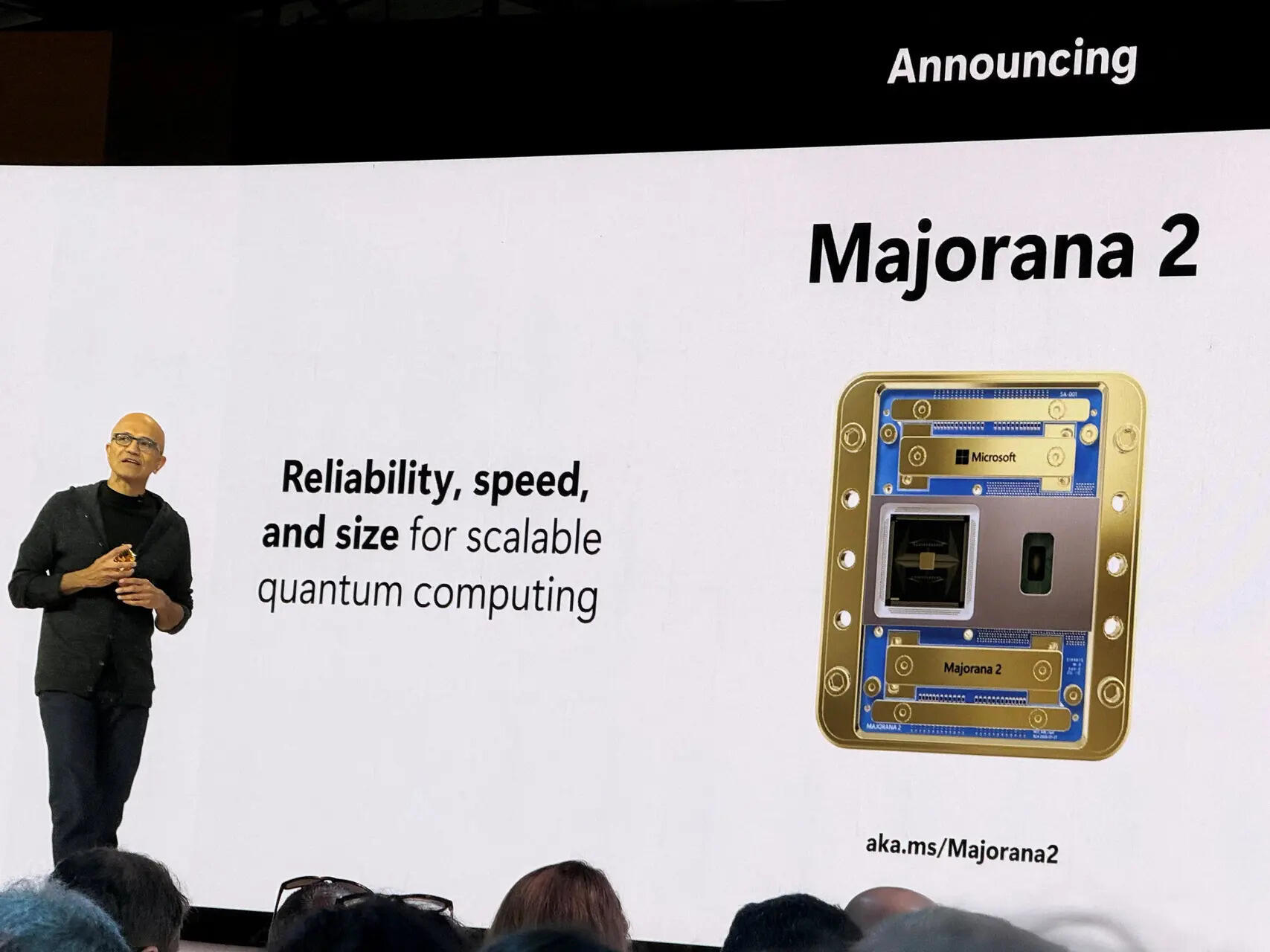
The company says the new lead-based material stack helped cut its timeline in half, with Microsoft now aiming to deliver a scalable quantum computer by 2029.
As per Microsoft CEO Satya Nadella, “Whenever these new platforms come, you get to rewrite even the rules of how new platforms operate.” That neatly captures Build 2026: Microsoft is not just adding AI to products, it is trying to redesign the developer stack around AI agents, local compute, enterprise controls and long-term quantum ambitions.
