Artificial Intelligence
Microsoft Adopts OpenClaw With Scout, Its First Always-On AI Personal Assistant
Updated on Wed, Jun 3, 2026
Share
Microsoft has embraced OpenClaw for its new personal AI agent, Scout, signaling a major shift in how the company wants AI to work inside Microsoft 365, not just as a chatbot, but as an always-on workplace assistant.
TL;DR
- Microsoft Scout is built on OpenClaw and WorkIQ.
- It can work across Teams, Outlook and other Microsoft 365 tools.
- The agent is initially available to Frontier customers.
- Microsoft is using Agent 365, Purview, Defender and sandboxing to manage security risks.
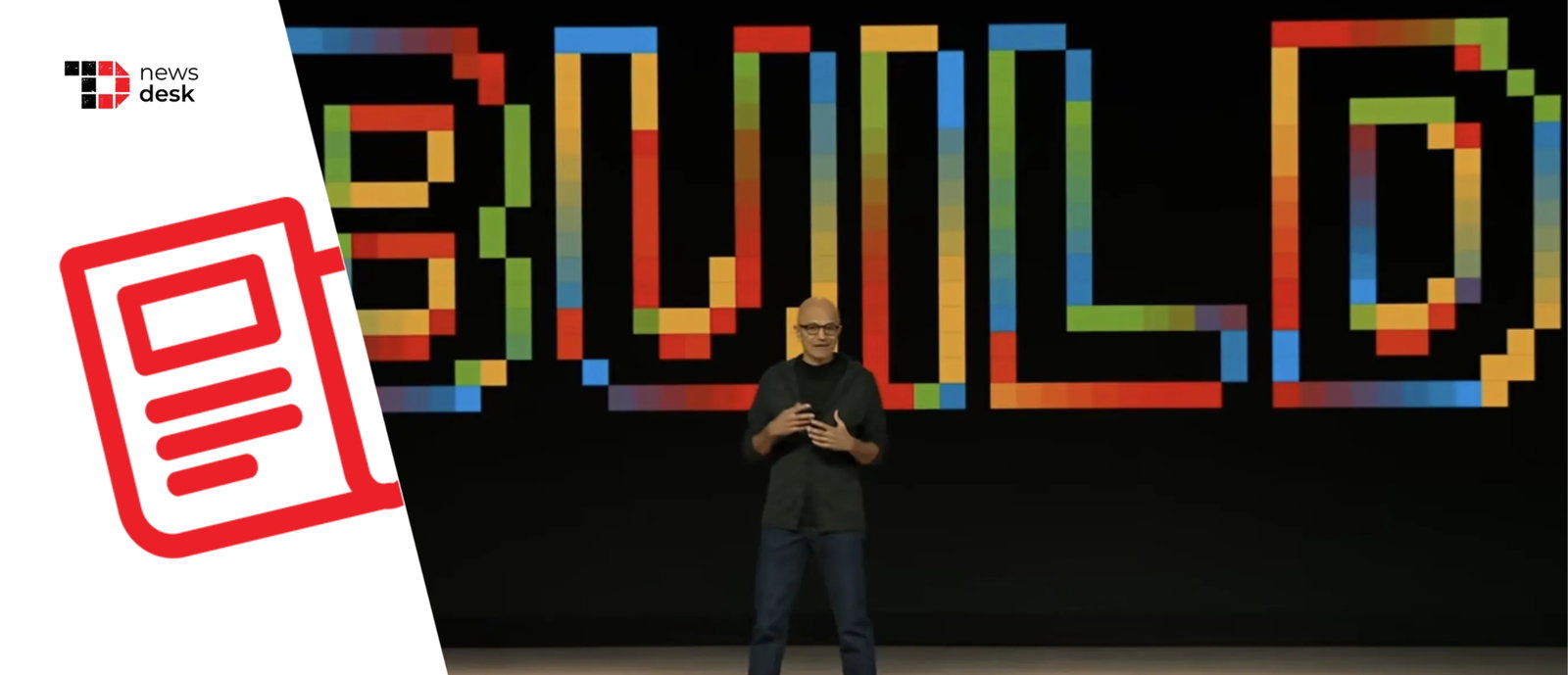
Microsoft used its Build 2026 developer conference to reveal Scout, a new personal agent for work that is built on OpenClaw and WorkIQ. According to Microsoft, Scout can understand how users work, use tools such as Teams and Outlook, and proactively handle meeting prep, scheduling conflicts and routine tasks without needing constant prompts.

That makes Scout more than another Copilot feature. It represents Microsoft’s attempt to turn AI from an assistant that waits inside an app into a persistent agent that can keep track of work, context and follow-ups across the Microsoft 365 environment.
The move also confirms what Alex Heath’s Sources report highlighted, Microsoft is now openly embracing OpenClaw after earlier industry concerns around the framework’s safety. The report said Microsoft mentioned OpenClaw 28 times during its Build keynote and that Scout will be powered by OpenClaw when released more widely.
Microsoft’s own blog adds that Scout is being made available to Frontier customers, while WorkIQ will give agents workplace context from Microsoft 365, including people, emails, documents, meetings and organizational systems. The Work IQ APIs are expected to become generally available on June 16.
The Verge reported that Scout will integrate into Microsoft 365 apps such as Outlook, OneDrive and Teams, helping users with calendars, expense reporting, email drafts and related tasks. Omar Shahine, corporate vice president of Microsoft Scout, described it as “the first real personal assistant” Microsoft has offered customers.
Scout is starting cautiously. The Verge reported that Microsoft is releasing a desktop preview to Frontier customers in the US this week, with a limited preview planned for more customers in the coming months before a broader cloud rollout. More than 3,000 Microsoft employees are already using the desktop app internally for tasks such as scheduling meetings, booking travel, handling paperwork and filling out forms.
However, the OpenClaw connection also brings obvious security questions. OpenClaw’s own GitHub page describes it as a local-first personal AI assistant with support for channels including WhatsApp, Telegram, Slack, Discord, Google Chat, Signal, iMessage and Microsoft Teams. It also warns that agents can connect to real messaging surfaces and that inbound messages should be treated as untrusted input.
Microsoft had previously warned that OpenClaw inherits the trust and risk of the machine and identities it can use, adding that installing a skill is essentially installing privileged code. Microsoft Defender recommended using OpenClaw only in isolated environments without access to non-dedicated credentials or sensitive data.
Topics for more insights:
That explains Microsoft’s approach with Scout. Shahine told The Verge that Microsoft treats OpenClaw as untrusted, runs it in a sandboxed cloud environment and does not give it direct secrets or access to Microsoft 365 data. He also said Microsoft uses Agent 365, Purview and Defender, along with red teaming, privacy reviews and security reviews.
Scout also arrives as Microsoft tries to show it can build AI products beyond its OpenAI partnership. Axios reported that Microsoft also introduced MAI-Thinking-1, its first internally developed reasoning model, with 35 billion active parameters and a focus on cost-efficient reasoning rather than raw frontier-scale performance.
The bigger picture is clear: Microsoft is betting that enterprise AI will move from chat windows to autonomous agents that act across work tools. The real test now is whether Scout can be useful enough to justify that shift, while staying secure enough for businesses to trust it.
First published on Wed, Jun 3, 2026

Enjoyed what you read? Great news – there’s a lot more to explore!
Dive into our content repository of the latest tech news, a diverse range of articles spanning introductory guides, product reviews, trends and more, along with engaging interviews, up-to-date AI blogs and hilarious tech memes!
Also explore our collection of branded insights via informative white papers, enlightening case studies, in-depth reports, educational videos and exciting events and webinars from leading global brands.
Head to the TechDogs homepage to Know Your World of technology today!
Disclaimer - Reference to any specific product, software or entity does not constitute an endorsement or recommendation by TechDogs nor should any data or content published be relied upon. The views expressed by TechDogs' members and guests are their own and their appearance on our site does not imply an endorsement of them or any entity they represent. Views and opinions expressed by TechDogs' Authors are those of the Authors and do not necessarily reflect the view of TechDogs or any of its officials. While we aim to provide valuable and helpful information, some content on TechDogs' site may not have been thoroughly reviewed for every detail or aspect. We encourage users to verify any information independently where necessary.
Loading comments...