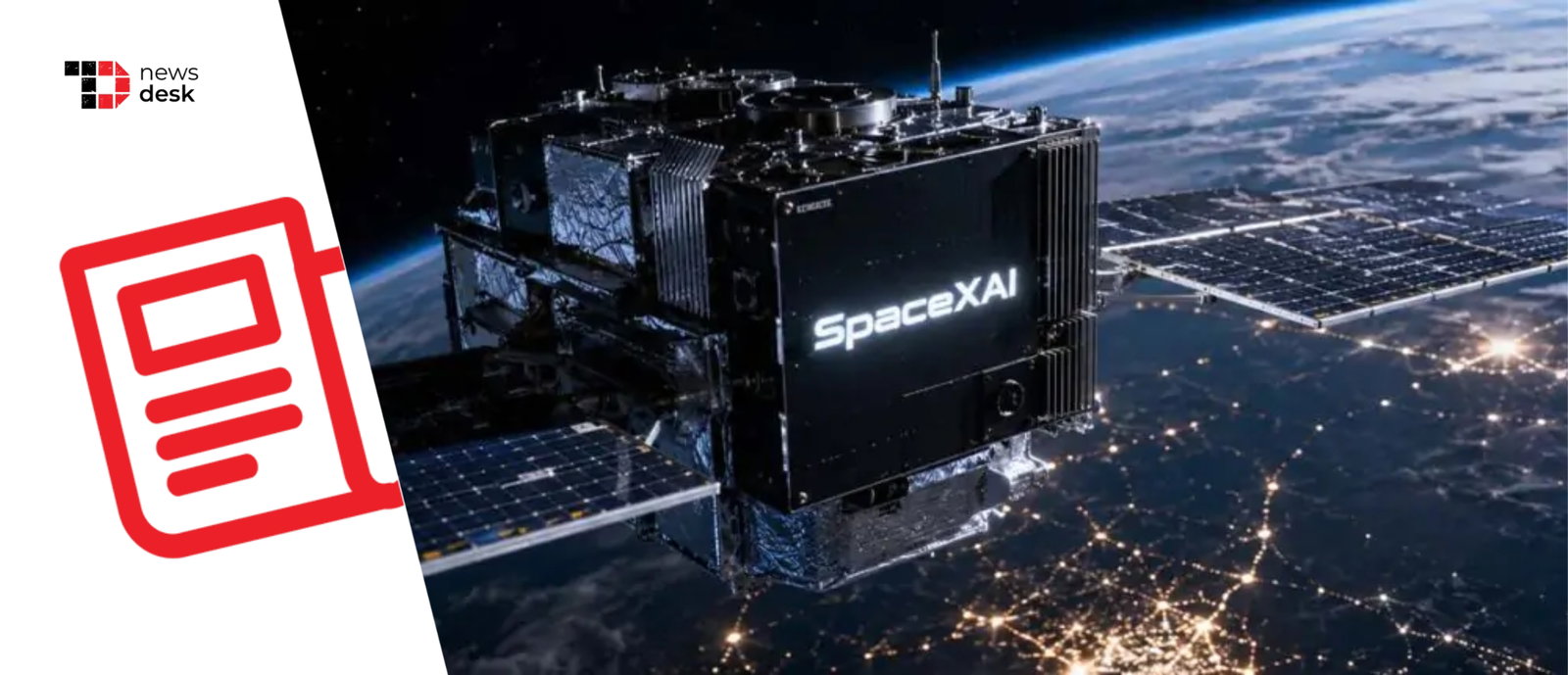
Elon Musk’s newly merged SpaceXAI division is reportedly struggling with a growing wave of employee departures, as engineers, researchers, and senior leaders continue leaving the company following SpaceX’s acquisition of xAI earlier this year. The exits are raising fresh concerns about internal restructuring, workplace pressure, and the company’s long-term AI ambitions.
TL;DR
-
More than 50 employees have reportedly left SpaceXAI since February 2026.
-
Departures include engineers from Grok, coding, and world-model teams.
-
Former employees are joining rivals such as Meta and Thinking Machines Lab.
-
Reports cite burnout, restructuring, and aggressive deadlines as key concerns.
-
The merger combined SpaceX, xAI, and X operations under the new SpaceXAI brand.
Elon Musk’s AI ambitions are facing turbulence just months after SpaceX officially absorbed xAI into its broader operations, forming a new entity now known as SpaceXAI.
According to a recent report by TechCrunch, more than 50 researchers and engineers have exited the company since February 2026. The departures reportedly span multiple critical teams, including Grok voice, coding infrastructure, and world-model development.
The timing is significant because the exits come during one of the most aggressive expansion phases in Musk’s AI strategy. Earlier this year, SpaceX acquired xAI in an all-stock transaction that reportedly valued the combined operation at approximately $1.25 trillion. The merger folded X, Grok, and xAI infrastructure deeper into Musk’s wider ecosystem.
However, the integration appears to have triggered instability internally.
Reports indicate that several former employees have joined competing AI firms, including Meta and Mira Murati’s Thinking Machines Lab. At least 11 former xAI employees reportedly moved to Meta, while several others joined Murati’s startup. The company’s core pre-training team has also reportedly shrunk dramatically.
The departures add to a growing list of executive and co-founder exits that have hit xAI and SpaceXAI throughout 2026. Reuters previously reported that multiple co-founders and senior leaders departed amid restructuring efforts and organizational audits tied to the merger.
A major point of concern revolves around workplace culture.
One source cited in the TechCrunch report claimed Musk pushed unrealistic training timelines for Grok and other AI initiatives, forcing teams to cut corners to meet deadlines. Others reportedly cited burnout linked to Musk’s “extremely hardcore” work expectations, a management philosophy previously associated with Tesla and X.
This comes as competition in the frontier AI market intensifies rapidly.
Meta, OpenAI, Anthropic, Google DeepMind, and newer AI startups are aggressively hiring elite researchers with massive compensation packages and access to larger compute infrastructure. Talent retention has become one of the biggest competitive battlegrounds in the AI industry.
Topics for more insights:
Despite the staffing turbulence, SpaceXAI continues investing heavily in infrastructure. The company recently expanded its Colossus AI supercomputer operations and has continued scaling its AI compute footprint using massive GPU clusters. Reports also suggest the company is integrating AI deeper into SpaceX, Starlink, Tesla, and X products.
Neither Elon Musk nor SpaceXAI has publicly commented on the latest employee exit reports.
Still, the situation highlights the challenges of merging aerospace, AI, and social media operations into a single organization while attempting to compete in one of the fastest-moving technology races in history.
