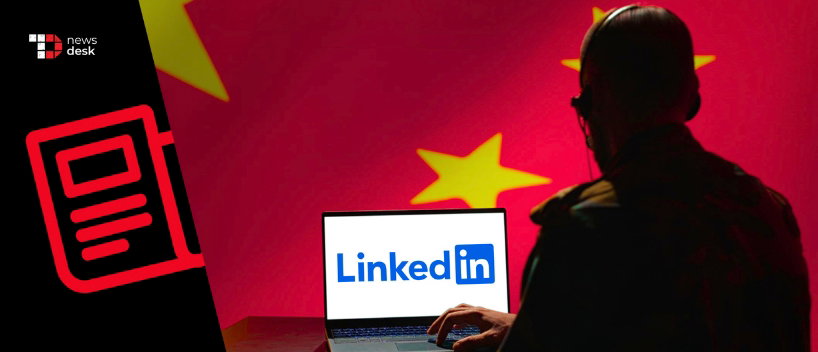
Security agencies from the Five Eyes alliance have warned that Chinese intelligence operatives are using LinkedIn and other recruitment platforms to approach Western professionals and coax them into sharing sensitive or non-public information.
The tactic appears simple, but officials say it can help Beijing build valuable intelligence over time.
TL;DR
- Chinese intelligence-linked actors are posing as recruiters and HR firms on job platforms.
- Targets include military personnel, clearance holders, journalists, academics, and think-tank staff.
- Officials warn that even unclassified information can become valuable when combined with other intelligence.
- LinkedIn said fake accounts and misrepresented identities violate its terms of service.
How Chinese Spy Recruiters Are Targeting Western Professionals On LinkedIn
A new joint advisory from the FBI, MI5, and the governments of Australia, Canada, and New Zealand says Chinese spies are using job search and recruitment websites, including LinkedIn, to cultivate Western workers.
According to the advisory, these operatives pose as online recruiters or human resources firms representing fake companies that appear to be based outside China. Their goal is to identify people who may have access to non-public information that could benefit Beijing.
The warning lands as Western governments continue to flag Chinese espionage risks, even while the U.S. and U.K. have recently attempted to stabilize relations with China. While cyberattacks often dominate espionage headlines, this advisory highlights a quieter method: building trust through professional networks.

Why Unclassified Information Still Matters To Chinese Intelligence
The targets are not limited to people holding top-secret files. Officials said spies may seek long-term relationships with security clearance holders, military personnel, journalists, academics, and think-tank employees, particularly those with knowledge of the Indo-Pacific region.
The advisory says China’s military intelligence services “ultimately seek to acquire privileged military, political and economic intelligence that can provide China with a strategic and tactical advantage over the Five Eyes.”
Even unclassified information can be useful, especially when combined with other sensitive data. That makes resumes, professional experience, and regional knowledge potential signals for recruiters looking to identify valuable targets.
Topics For More Insights
- India’s Wearable Health Tech Firm Ultrahuman Faces Breach Affecting At Least 700 Users
- Meta’s AI Support Bot Lets Hackers Hijack Instagram Accounts
- Iran-Linked Hackers Blamed For LA Metro Breach That Hit Systems And Recovery
- Law Enforcement Shuts Down First VPN Used By 25 Ransomware Gangs
- UK Visa Portal Faces Scrutiny After Thousands Of Passports And Selfies Leaked!
LinkedIn Responds To State-Sponsored Fake Account Abuse
LinkedIn told TechCrunch “Creating a fake account or misrepresenting your identity is a clear violation of our terms of service. We remain focused on detecting state-sponsored abuse, and will continue to enforce our policies against fake accounts.”
For professionals, the warning is clear: a polished recruiter profile is not always proof of legitimacy. As intelligence operations move into everyday workplace platforms, job seekers and experts with sensitive knowledge may need to treat unsolicited opportunities with the same caution they bring to suspicious emails.
