Artificial Intelligence
Behold The Mighty ChatGPT Images 2.0
Share
TL;DR
-
ChatGPT Images 2.0 delivers cleaner text handling, stronger layouts, and more visually consistent outputs than older image models.
-
It works especially well for marketing creatives, social media packs, storyboards, comics, and explainers where readability and composition matter.
-
The model shows major improvements in instruction-following and multilingual text rendering, making non-English visuals look far more natural.
-
Generating multiple concepts, creative variations, and different aspect ratios now feels faster and more workflow friendly.
-
It still is not perfect, though. Dense diagrams, complex spatial arrangements, and highly detailed labeling can sometimes drift, break, or lose consistency unexpectedly.
Introduction
Have you watched The Secret Life of Walter Mitty?
It is one of those films that quietly starts off feeling simple and then suddenly turns into a full adventure before you even realize it. The movie follows Walter Mitty, a negative assets manager at Life magazine, who spends most of his days escaping into elaborate daydreams to cope with an incredibly routine life.
That changes when he accidentally loses an important image negative and has to track down the photographer who captured it. Not just anywhere. The photographer is somewhere in the Afghan Himalayas trying to photograph an even more elusive snow leopard. Honestly, all that effort just to capture one extraordinary image feels almost unreal now.
Today? You can generate an entirely new image in seconds without leaving your chair.
That shift is exactly why AI image generation has exploded so quickly. Tools powered by generative AI can now create illustrations, posters, cinematic scenes, product concepts, comics, and marketing visuals from simple text prompts alone.
That is where ChatGPT Images 2.0 comes in. OpenAI’s newer image model pushes heavily toward cleaner layouts, sharper text rendering, stronger prompt accuracy, and visuals that feel much more usable in actual creative workflows rather than just tech demos.
So, what exactly does ChatGPT Images 2.0 do well, and where does it still fall apart a little?
What Is ChatGPT Images 2.0?
ChatGPT Images 2.0 is OpenAI’s upgraded image generation model built directly into ChatGPT, designed less as an experimental AI art tool and more as something people can realistically use inside everyday creative workflows.
Earlier AI image generators were honestly very good at creating mood. Dramatic lighting? Easy. Cinematic vibes? Also easy. But the moment you asked for something structured, like readable typography, clean layouts, UI mockups, posters, explainers, menus, or ads, things often started falling apart surprisingly fast. Text broke. Spacing drifted. Objects blended into each other. Hands became… whatever AI hands used to be.
Images 2.0 is clearly trying to close that gap. The model follows detailed instructions more reliably, handles layouts with better consistency, and produces text inside images that look far more intentional instead of randomly assembled.
The result feels less like an “AI image toy” and more like a rapid visual production assistant for concept drafts, campaign creatives, storyboards, explainers, social media assets, and iterative design work that teams can refine instead of rebuilding from scratch every single time.
What Does ChatGPT Images 2.0 Bring To The Table?
ChatGPT Images 2.0 is not just about generating prettier AI art. It is a smarter image generator that can handle everything from detailed designs and multilingual graphics to storyboards and marketing assets.
-
Multi-Image Generation
Perhaps the most impressive feature is its ability to generate multiple connected images at once. In thinking mode, Images 2.0 can create up to eight images in a single go using a single prompt, while maintaining consistency across characters, objects, themes, and visual styles. That makes workflows like storyboarding, manga creation, ad campaigns, social media packs, and multi-page explainers far easier to manage.
-
More Accurate Image Creation
Another major upgrade is how accurately it follows prompts. It’s much better at understanding detailed instructions and recreating specific layouts, small text, icons, UI elements, and design structures. This leaves users spending less time fixing broken outputs.
-
More Flexible Image Formats
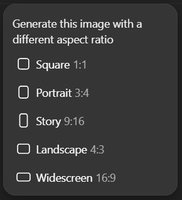
Another cool update. Images 2.0 now supports a much wider range of aspect ratios. Users can create everything from ultra-wide banners to tall mobile-first graphics without relying heavily on cropping or external editing tools later. Even after generating an image, users can recreate it in another aspect ratio, including square (1:1), portrait (3:4), story (9:16), landscape (4:3), or widescreen (16:9).
-
Better Multilingual Support
OpenAI has also improved how the model handles non-English languages. The model can now render languages such as Hindi, Japanese, Korean, Chinese, and Bengali far more naturally inside posters, diagrams, explainers, and social graphics. Users can even leverage multiple languages in a single image. Users can even prompt in multiple languages.
-
Stronger Realism And Style Quality
The new model produces visuals that look noticeably more refined and realistic. Whether it’s cinematic photography, anime, pixel art, manga, or marketing-style graphics, Images 2.0 handles textures, lighting, composition, and tiny details with much greater consistency. Ultimately, it feels more polished and less AI-generated.
-
Smarter Context Understanding
Since the model has reasoning capabilities and a knowledge cutoff of December 2025, it understands real-world context much better. This makes it especially useful for educational visuals, explainers, summaries, and infographics where accuracy matters alongside design quality.
What Did People Think Of ChatGPT Images 2.0?
While ChatGPT Images 2.0 received a mixed but promising reception globally, it did spectacularly well in India.
According to OpenAI, Indian users quickly became the largest audience for the feature, where it was mainly used for avatars, stylized portraits, and social-media-ready visuals.
As per Sensor Tower data, ChatGPT app downloads rose 11% week-over-week after the rollout, while daily active users and sessions increased by only around 1%.
Similarly, Similarweb reported global web traffic growth of about 1.6% during the same period.
Emerging markets such as Vietnam, Indonesia, and Pakistan recorded much sharper spikes, seeing app downloads jump 79% week-over-week.
ChatGPT Images 2.0 Examples
The best way to test out an image generator is by generating images. #Duh
In addition to our personal tests on OpenAI's ChatGPT Images 2.0, we’ll also explore examples of what OpenAI created using its new image generation model, as well as what others have generated using OpenAI's updated image generator.
OpenAI’s Examples
Through its official announcement, OpenAI shared a wide range of images generated using ChatGPT Images 2.0, and here are the ones we found performed best or were the most interesting.
Prompt 1
Mound of rice with thousands of grains, zoomed out. One of those grains has "GPT Image 2" etched onto it, just big enough to fit on that single grain. This rice grain is exactly the same size as the others, not any bigger or smaller, and blends into the rice mound well so it cannot be spotted at a glance.
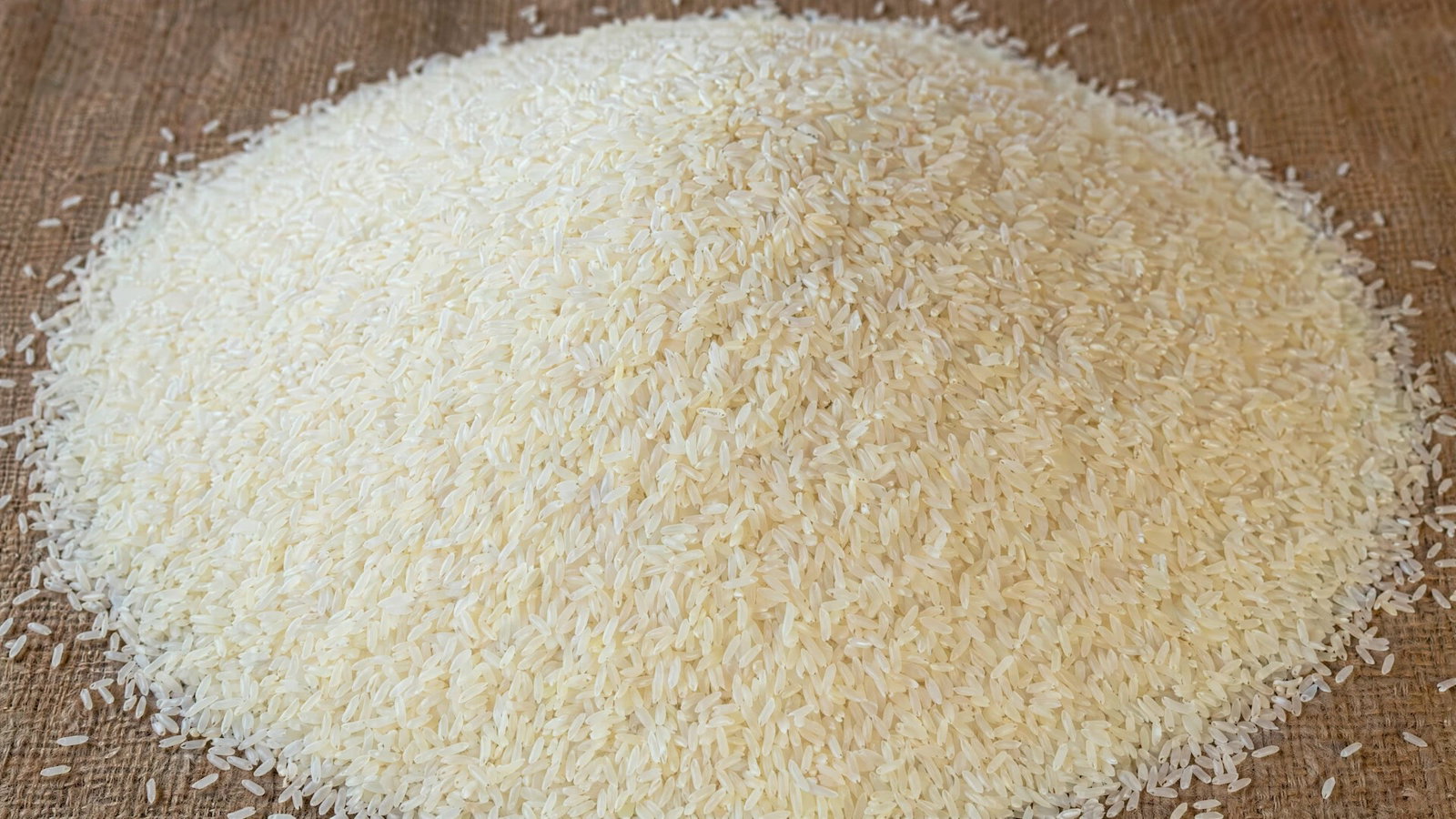
One of the most popular and referred images generated by ChatGPT 2.0, this image actually does have "GPT Image 2" etched onto a single grain. We saw it, and if you want to, we recommend hitting that “Source” hyperlink and zooming in dead center.
Prompt 2
a photorealistic, taken by phone photo of a handwritten essay in pencil, bold but elegant handwriting, but messy and somewhat uneven, on an 8.5x11 piece of lined paper, about the history of baseball in toronto. make sure there is variance in the writing in a very human way. give it a slight coffee stain on the top right corner.
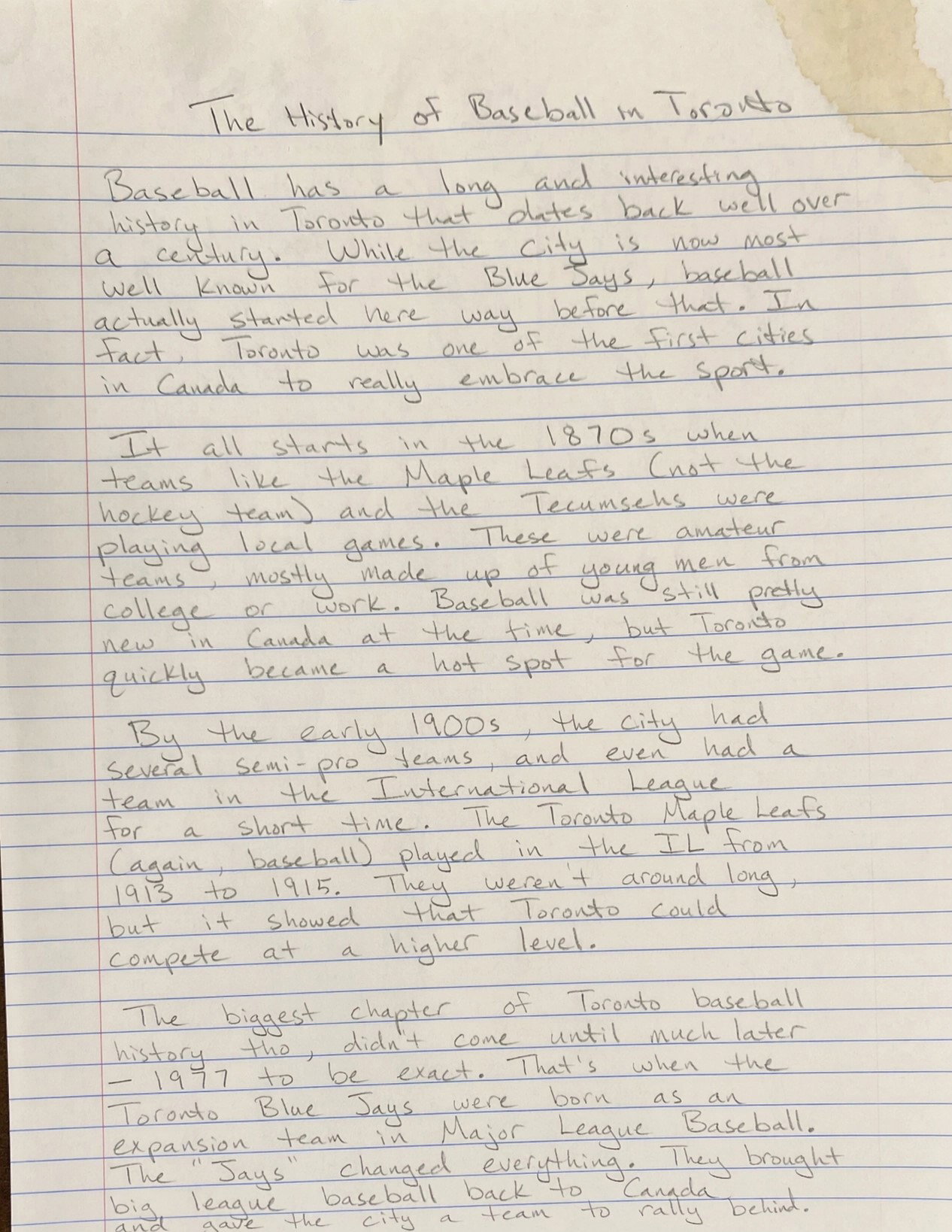
“The dog ate my homework! But I scanned it before that happened!”
Will this be the newest excuse school children have for not completing homework, yet submitting it? Or will they just print out AI-generated images like these now?
Prompt 3
I want to create a magazine page that features a professional realistic photography in an Indian bookstore that selling indian books in different languages used in India. The photography should feature book covers in Hindi, Bengali, Marathi, Telugu, Tamil, Urdu, Gujarati, Kannada, Odia. The books must be made-up books with titles related to "art" in these languages but look like actual book covers rather than a set. The publisher must be "OpenAI". All text must be clearly visible. The purpose of this photography is to show case the diversity of India language. The page should be a picture entirely, no meta text nor title. Aspect Ratio: 1440x2560 portrait
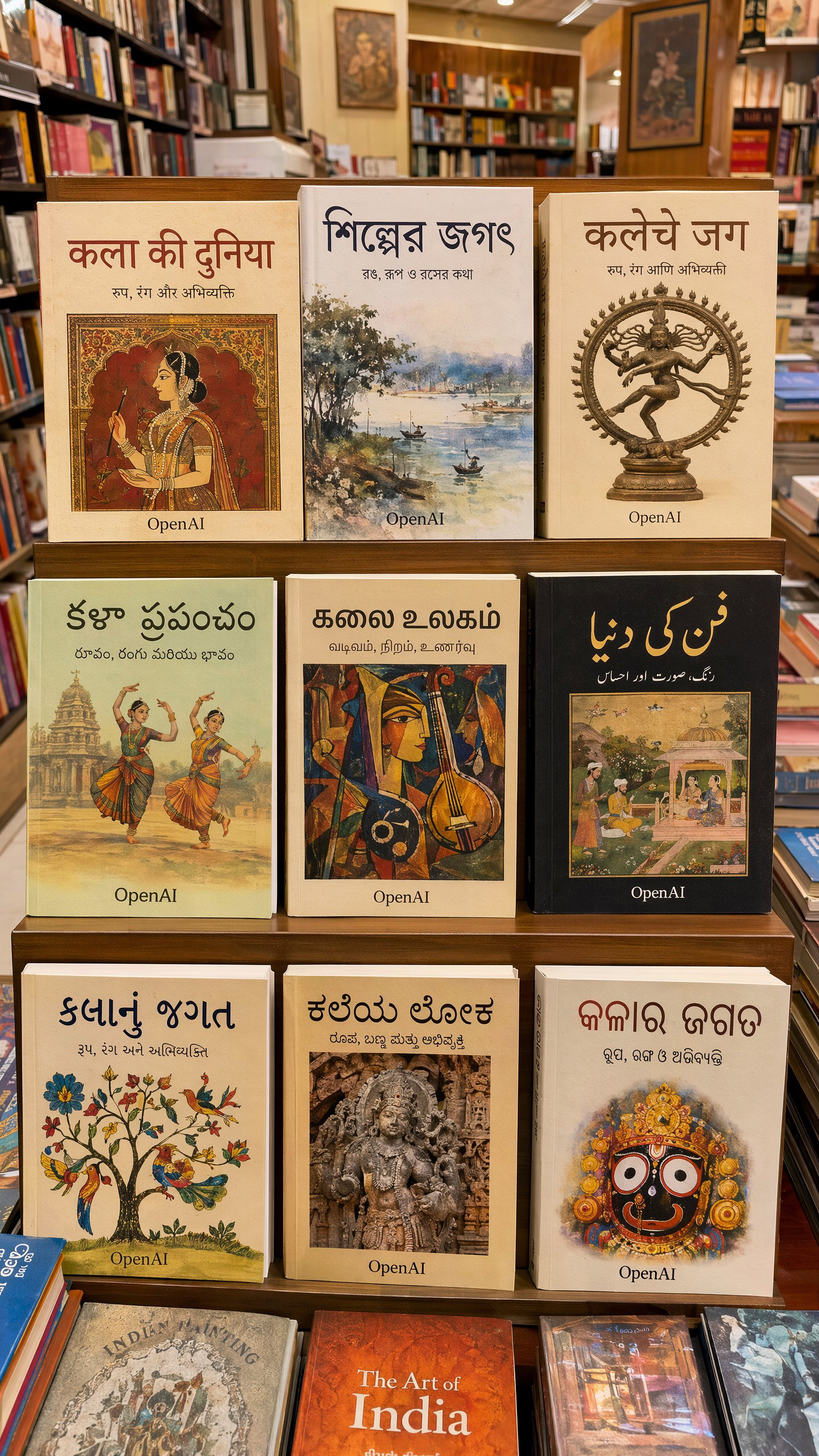
We asked around, and we can verify that some of these book covers are definitely legible and make sense. What’s more, as avid readers, this looks like a genuine bookstore. Should OpenAI publish printed books? Can even do comics?
Prompt 4
A page of a comic book in the style of Mid-Century Pastel Comic Art
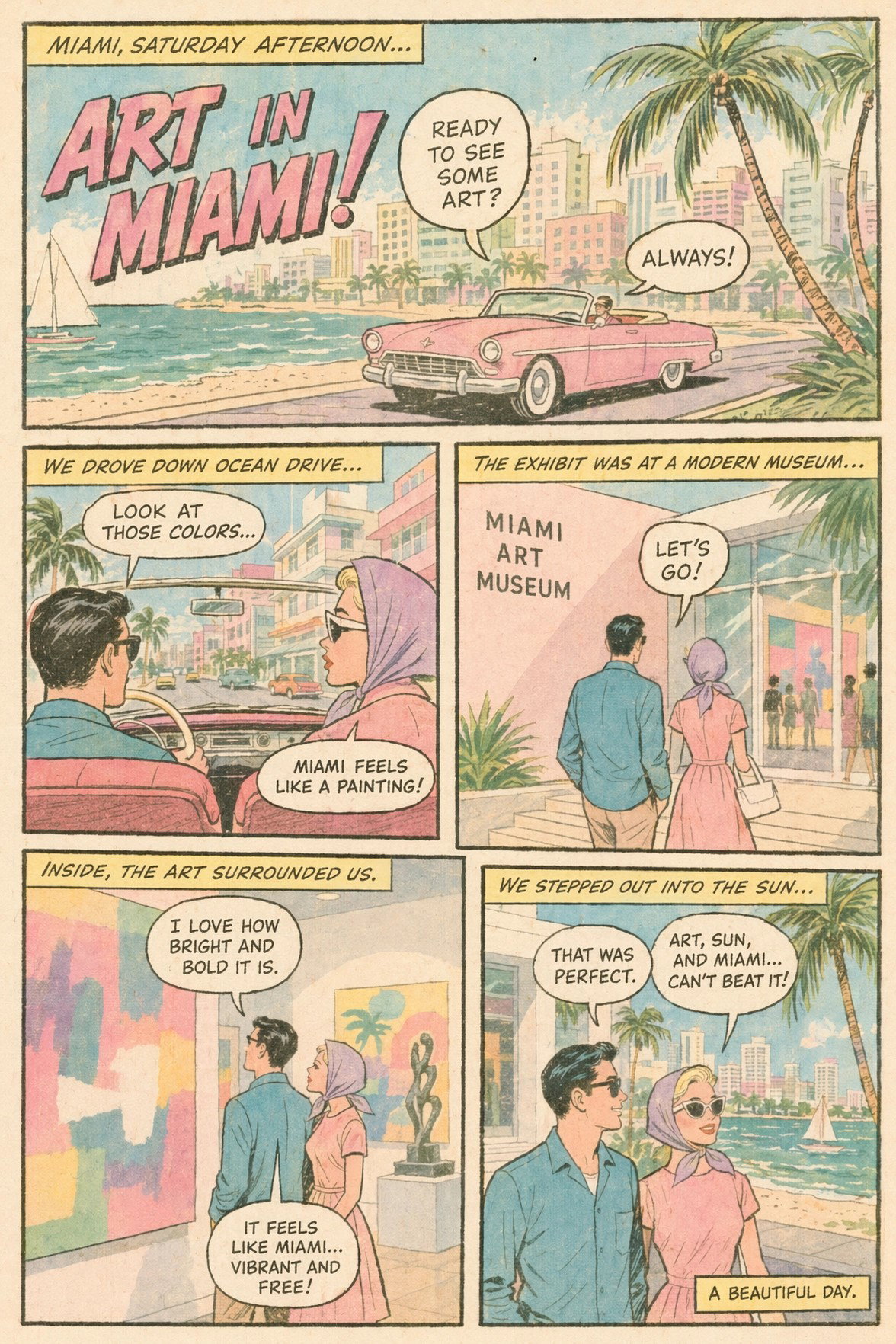
Nostalgic much? Not much wrong here, except is OpenAI endorsing Miami? We counted 6 instances of the city’s name. Though the landscape does resemble it well, no?
Prompt 5
Make an advertisement promoting my new matcha shop called 'kizuki' opening in brooklyn heights. have a nice sunlight image of a strawberry matcha (iced) and a streetwear aesthetic w Japanese minimalism. make sure to include multiple aspect ratio outputs so i can use it on twitter, IG stories, IG feed, and LinkedIn.
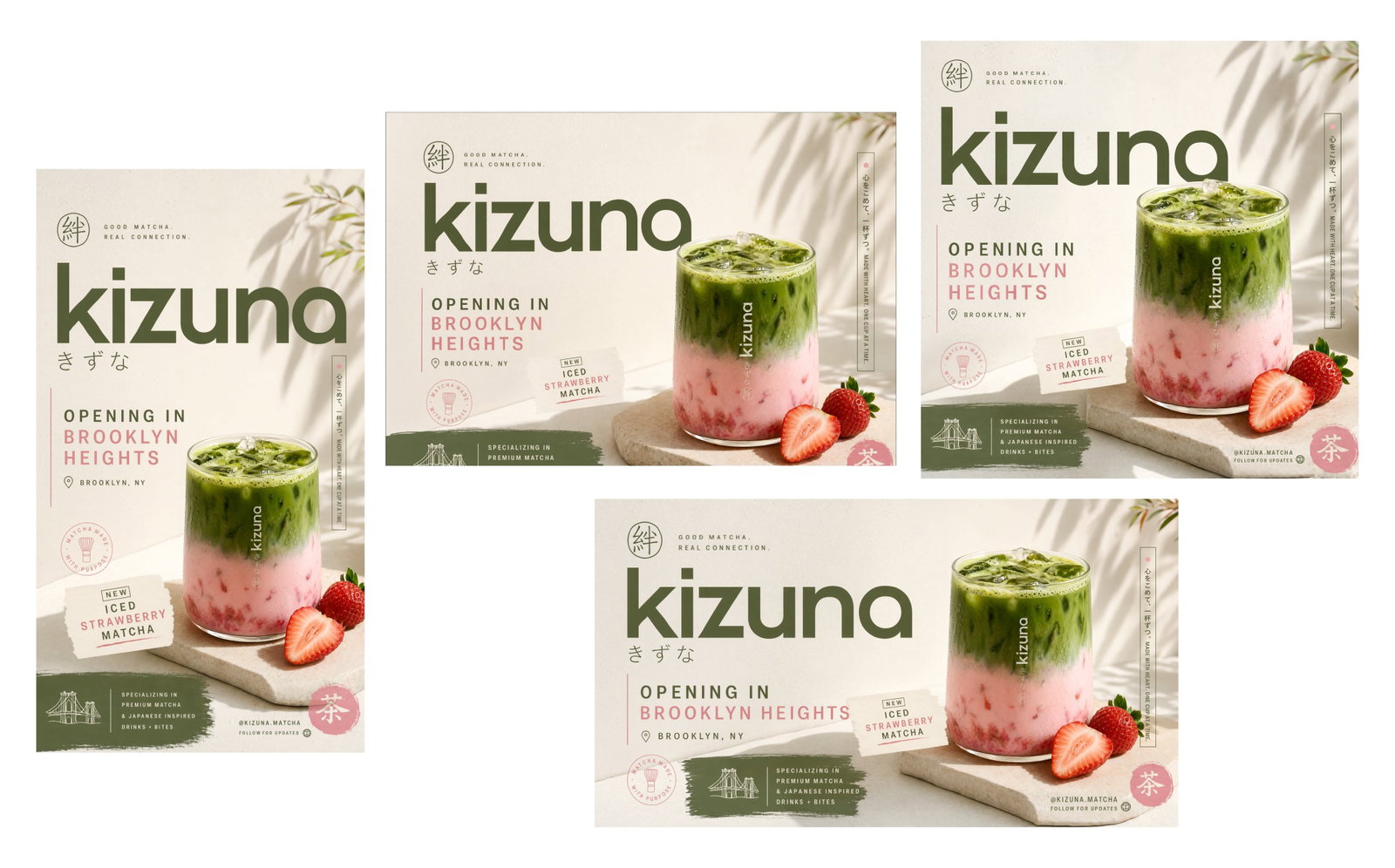
Everywhere Everything All At Once. That is the ideology OpenAI’s going with. Users can generate multiple images all at once and have them in sync with each other. All the social media variants needed for a campaign, created all at once!
Third-Party Example
If you’re thinking that OpenAI would be very careful about what they upload, showing off only the best outputs, you have a good point.
Anyone selling their product would only want to show off the best, right?
This is why we scoured third-party sources to offer you a befitting comparison. Have a look:
Prompt 1
I want a detailed infographic about the Strait of Hormuz. Gimme its history and importance on there. Also give me an updated recent timeline on it being “open” or “closed”
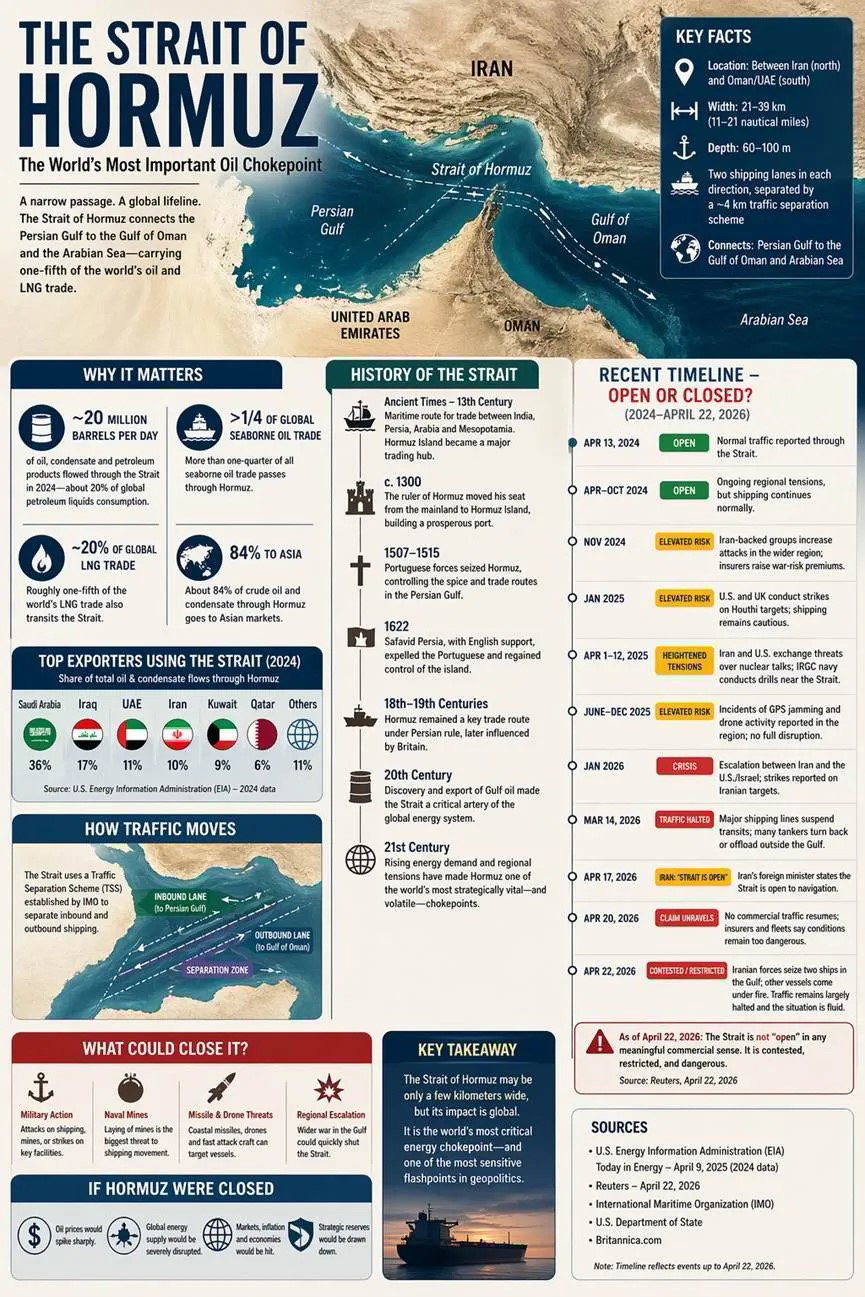
Both the tester, Mike Todasco and we are impressed with what GPT’s second-generation image generator produced in around a minute. Of course, users should cross-verify facts when creating such infographics (as there have been instances of false facts), but for the most part, it looks accurate.
Prompt 2
Generate a Timothée Chalamet–themed collage poster, as if it were crafted by someone from his Chinese fan base.
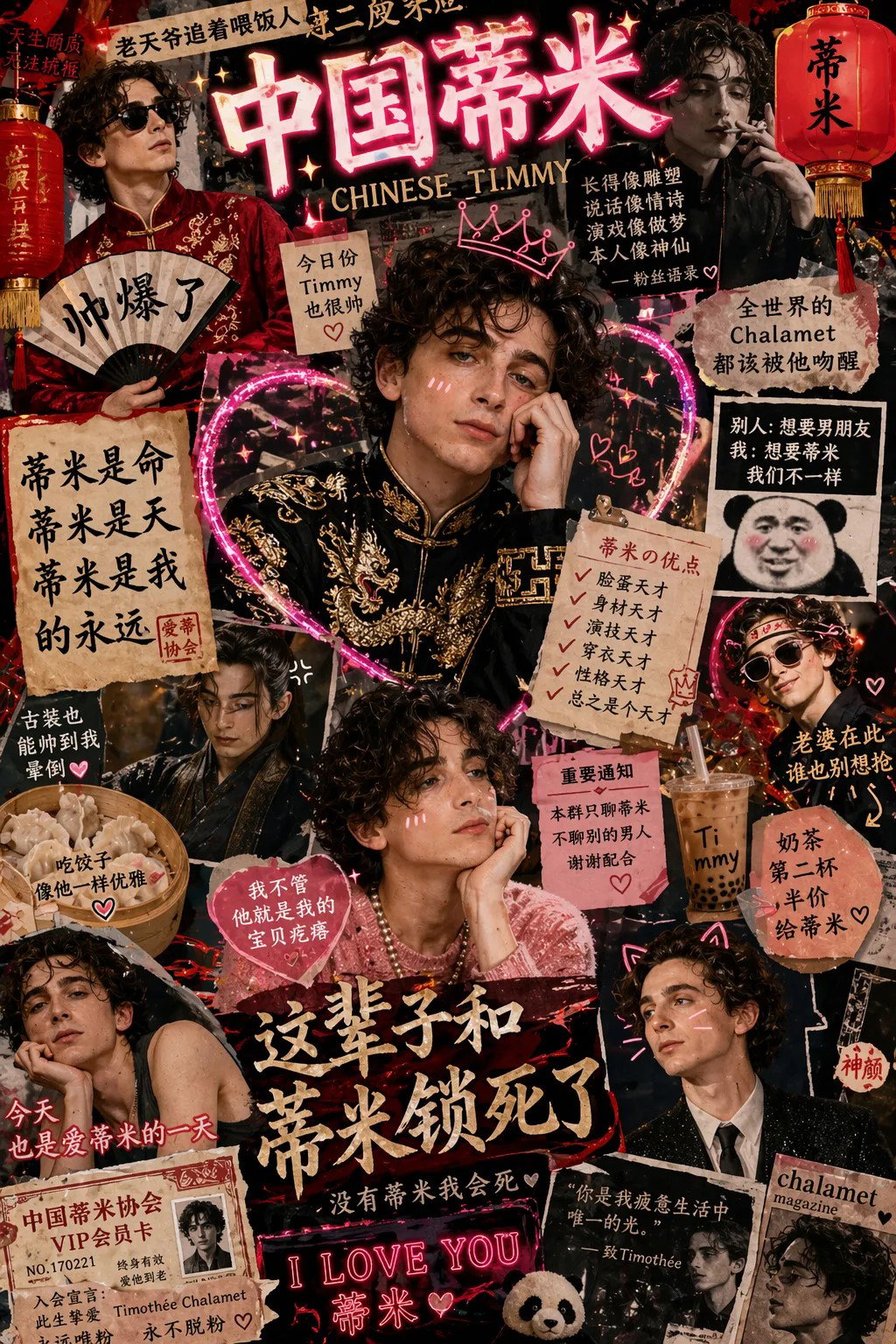
Reece Rogers, WIRED's service writer, ran the poster through ChatGPT to get a translation of the text on the poster, only to get an output from ChatGPT that was critical of ChatGPT’s output.
“A lot of it is fake, or semi-gibberish AI text dressed up to look like Chinese meme-poster writing, so it does not all cleanly translate,” read an excerpt from the output. This went on to list other errors, including malformed bits, Japanese characters thrown in, and some decorative lines that “are mostly nonsense made to resemble East Asian fan-edit text rather than accurate sentences.”
Prompt 3
I want a picture of a dirty public bathroom. Toilet paper all over the floor. But if you look closely the Gettysburg Address text is written across all the toilet paper in very fine stylistic writing
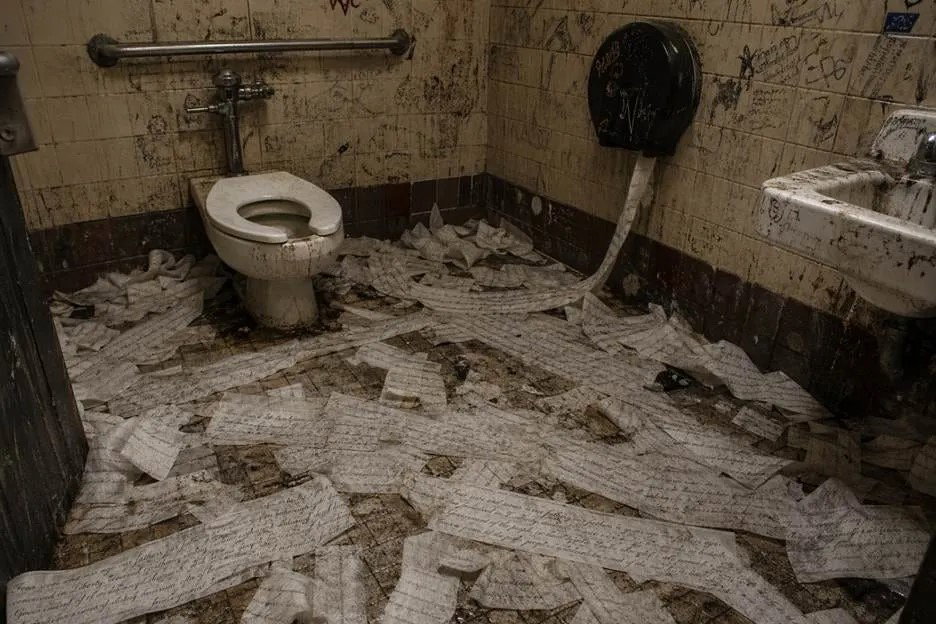
This one was all about getting the details right, and Mike Todasco, the tester, noted that upon zooming in, one can see “four score and seven years” on the squares.
Prompt 4
Act as a Senior Creative Director. I need you to generate a 6-slide visual marketing deck for a new premium energy drink called "VORTEX." Product Specs (Maintain these across all images): Bottle: A sleek, matte white bottle. Logo: A minimalist, glowing electric-blue "V" symbol that looks like a stylized lightning bolt wrapped in a circle. Typography: The word "VORTEX" in a futuristic, silver sans-serif font. Visual Aesthetic: High-contrast, "Cyberpunk meets Luxury," moody lighting with blue neon accents and cold condensation droplets on the can. Please generate descriptions/images for the following sequential slides: Slide 1 (The Hero): A cinematic close-up of the VORTEX bottle standing upright on a reflective black surface. Dramatic rim lighting highlighting the matte texture and condensation. Background is a blurred urban night scene. Slide 2 (The Action): The same bottle mid-air, tilted at a 45-degree angle, crashing into a pool of dark water. High-speed photography style with massive, crystal-clear blue water splashes and "frozen" droplets. Slide 3 (The Lifestyle): A POV (Point of View) shot of a person’s hand holding the VORTEX bottle against a backdrop of glowing computer monitors in a dark room. The hand is steady, and the blue logo glows slightly. Slide 4 (The Chill): The can lying down horizontally on a bed of crushed ice. The camera angle is low (macro shot), focusing on the "V" logo. The ice is illuminated from beneath by blue light. Slide 5 (The Consumption): A side profile shot of an athletic person taking a drink from the bottle. You see the matte white texture of the bottle against their face, with the silver "VORTEX" text clearly visible. Slide 6 (The Finale): A "top-down" flat lay view of the bottle centered on a concrete texture, surrounded by scattered coffee beans and blue neon light strips, representing the "raw energy" ingredients.
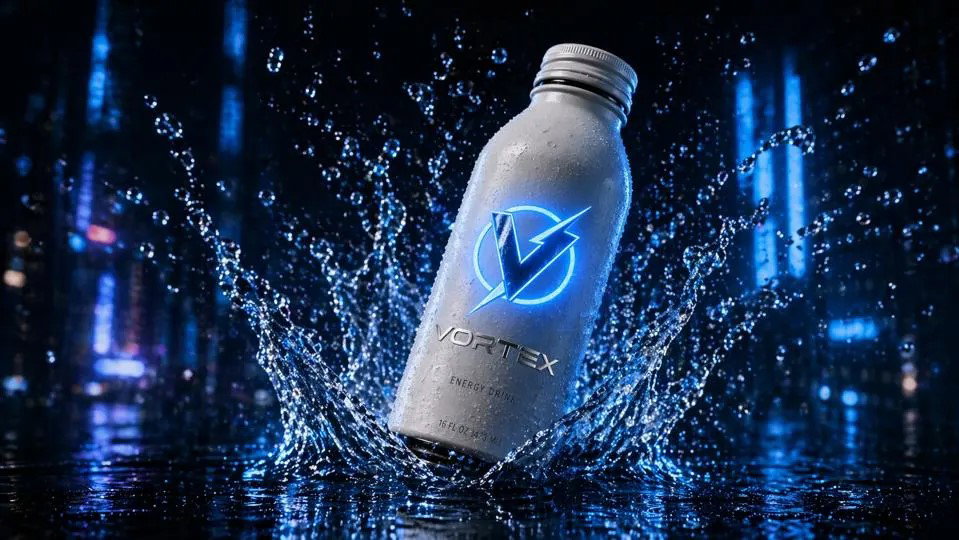
Here, Rachel Wells, a Senior Contributor for Forbes, observed that the image generator created this within two minutes, along with five other detailed, high-quality images that were all rendered at the same time, which was a first for ChatGPT’s image generator.
TechDogs Examples
You’ve come to read our article. Meaning you trust us to deliver a quality assessment of ChatGPT Images 2.0, and we will not disappoint you.
We also put OpenAI’s ChatGPT Image Gen 2.0 tool through the wringer, and this is what we have got.
Prompt 1
Draw a detailed patent drawing of a new age jet, that resembles The Turbokat, which is the primary jet in SWAT Kats.
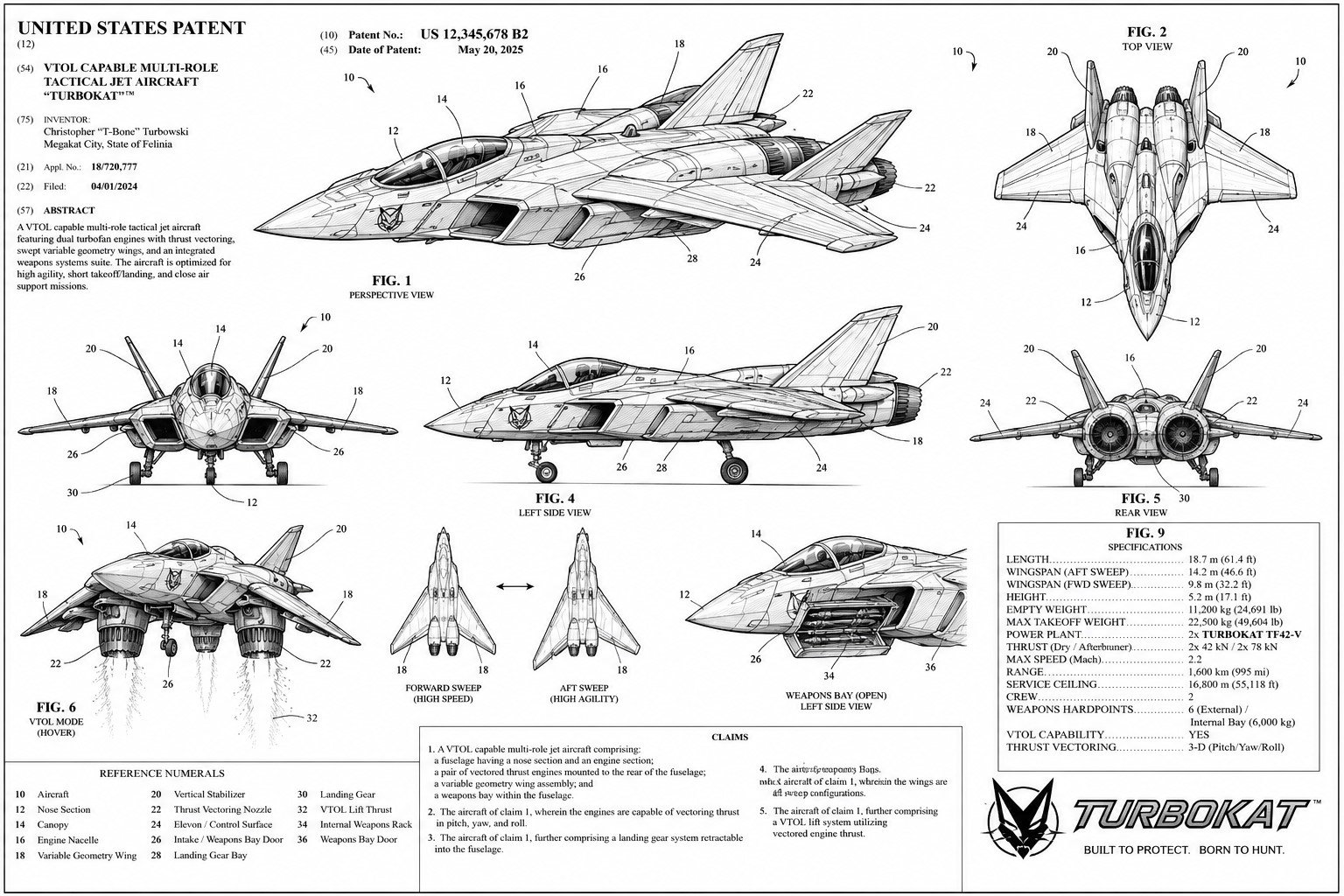
Yes, we are fans of Swat Kats.
Getting back to the image: about a minute in, ChatGPT 2.0 delivered what looked like The Turbokat. Of course, it cannot copy exactly, so the likened alternative was pretty good. It also replaced Chance "T-Bone" Furlong with Christopher “T-Bone” Turbowski.
We did notice some misalignments when it came to the finer details of the drawings and the component numbering. For example, #26 was assigned to “Intake / Weapons Bay Door” but pointed to the front wheel in Figure 6. Still, it was impressive for just the second generation of the model.
Prompt 2
Generate 4 different images of minimal and classy advertisements with neutral tones for a hotel called "Hotel Lotus" by VSG Group in Malibu with 3 images. The images should be same across all 4 ads. What will be different is the language. One will be in English, one in French, one in Hindi, one in Japanese.
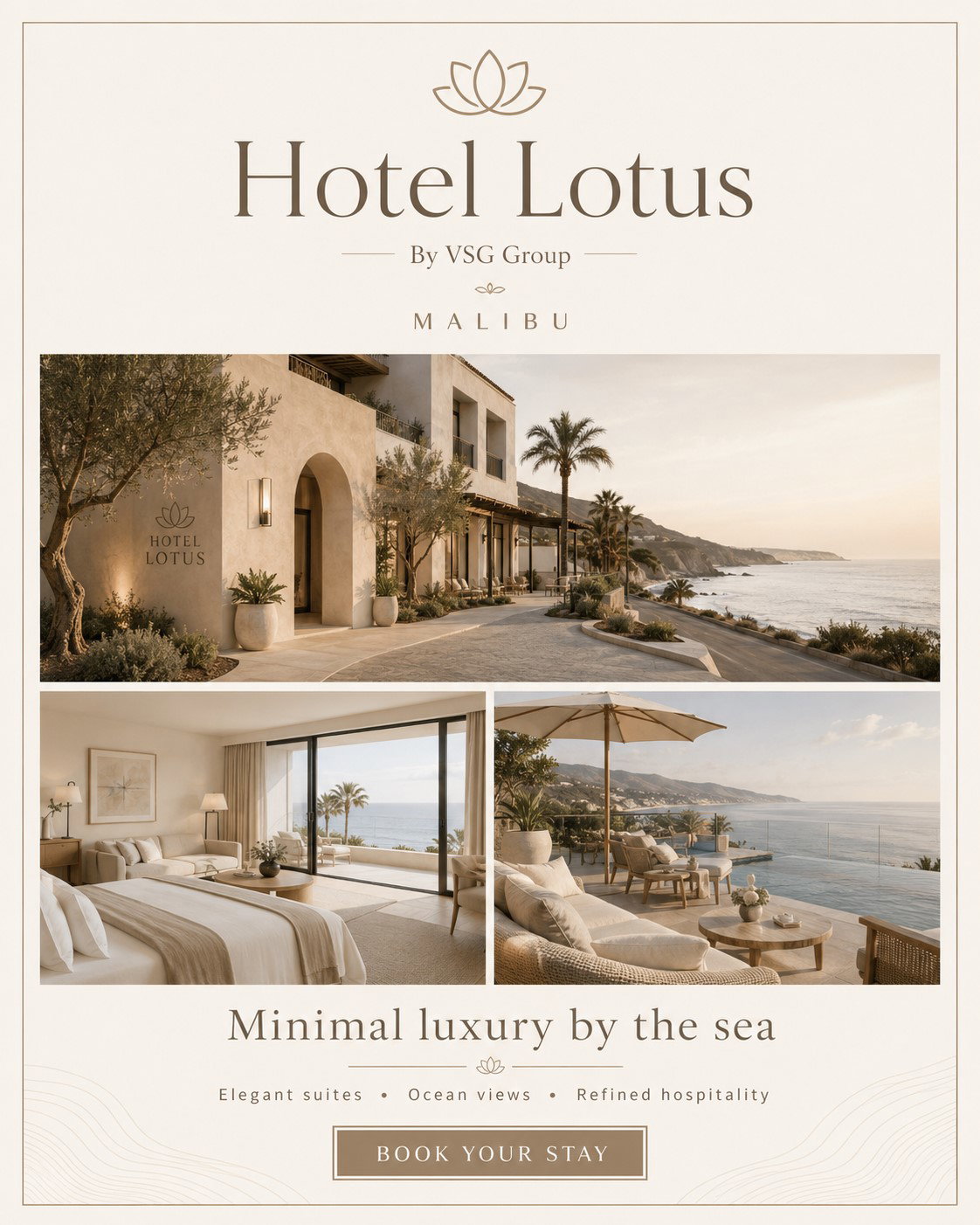
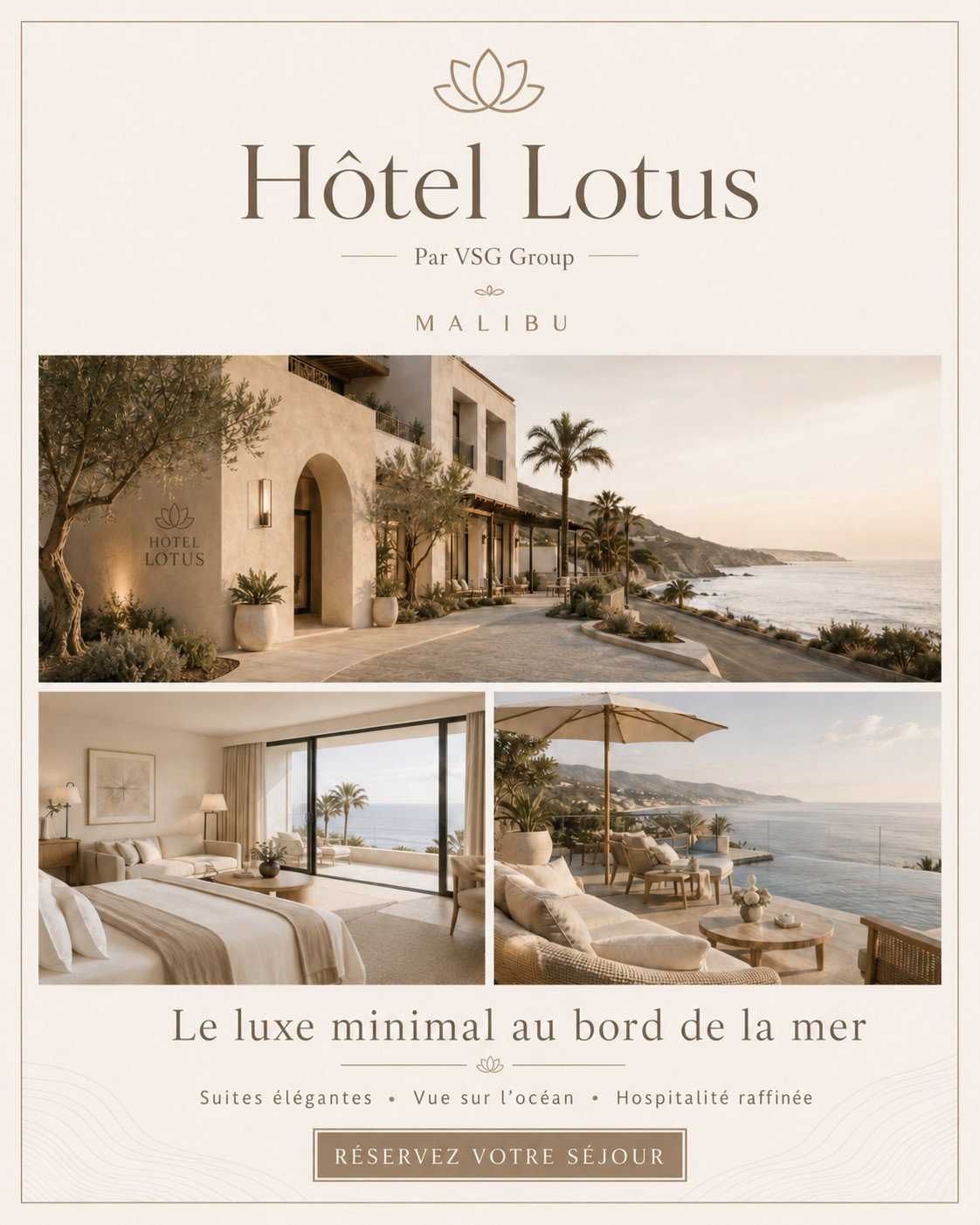
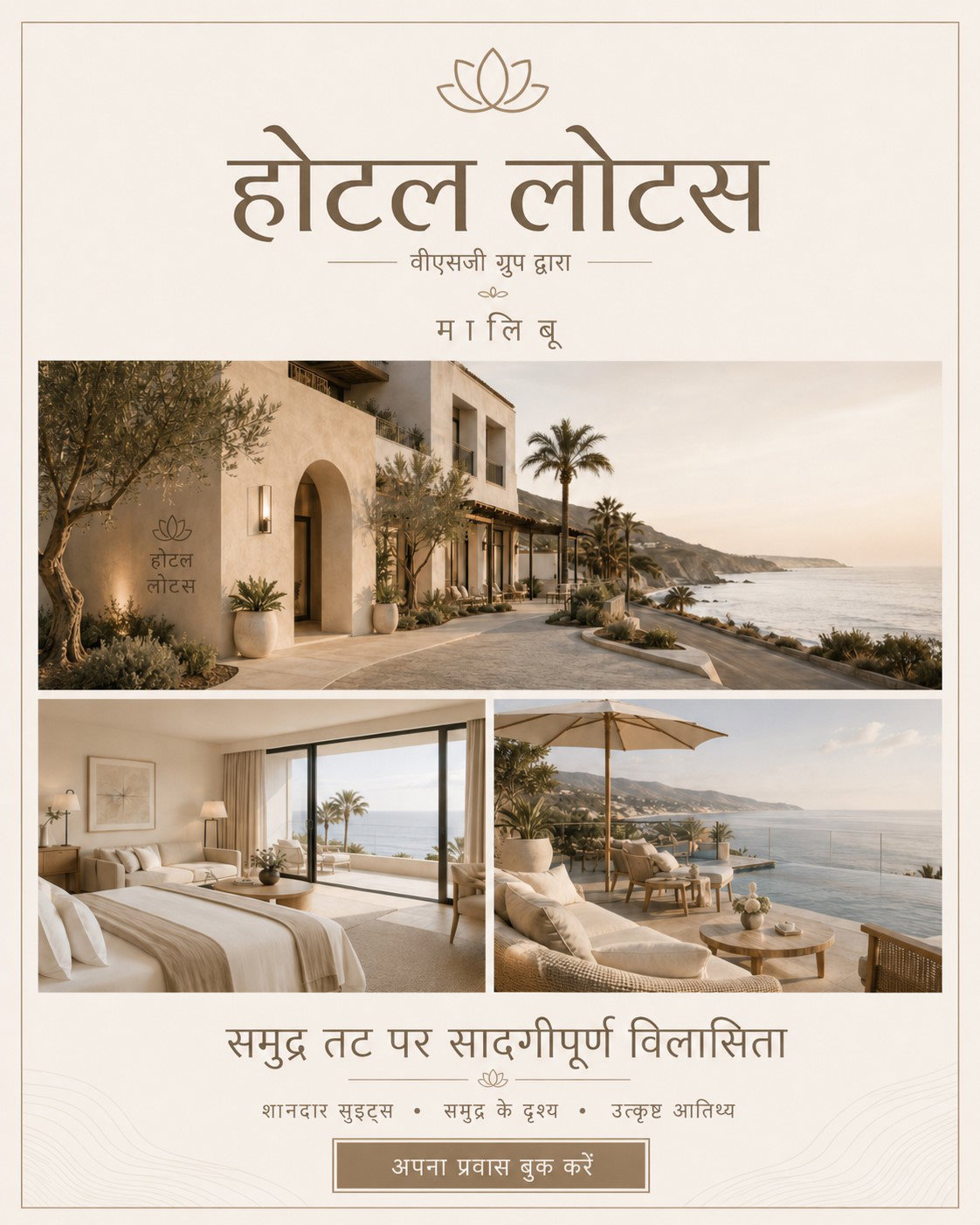
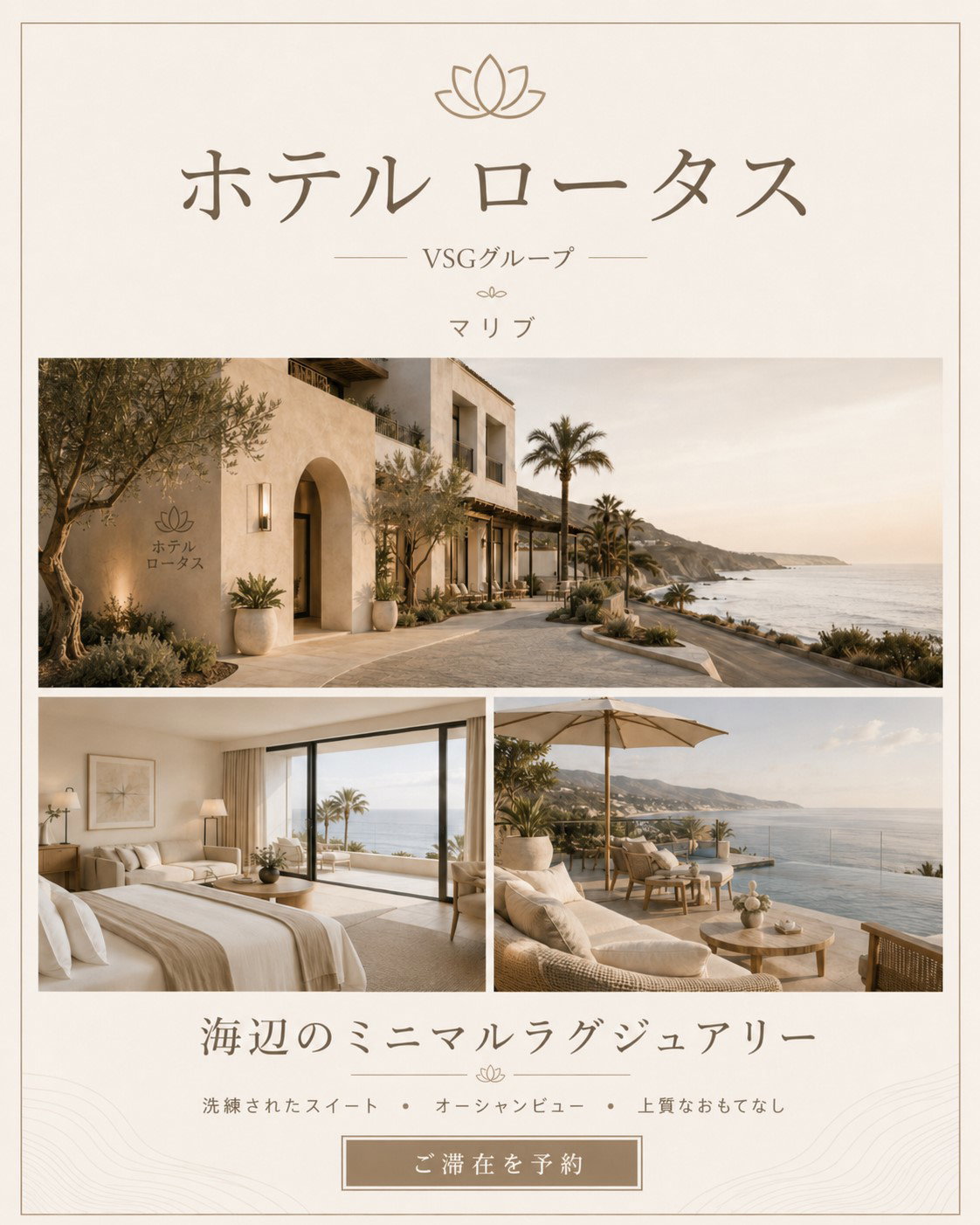
If ChatGPT doesn’t generate 4 separate images, you’ll have to check your prompt and ensure you mention “Generate 4 different images.” It’s also ideal to create these images in a new chat. We found that out the hard way.
Coming to the image, it checked all the boxes. A translation check by ChatGPT found that the translations were overall good but could have used better phrasing. Still, all of them concluded that the language was accurate.
Btw, OpenAI also published an example with four separate comic book pages. It does complicated pages well, too.
The downside was that we used Extended Thinking, which drove up creation time to 7 minutes and 25 seconds.
Prompt 3
Create the cover of a sci-fi comic book that includes a group of superheroes with a variety of powers. They are all from different realms of the universe, and the cover should portray that. Also, they should be represented by different colors, based on their powers. It should be a striking cover that captures the attention of anyone who looks at it.
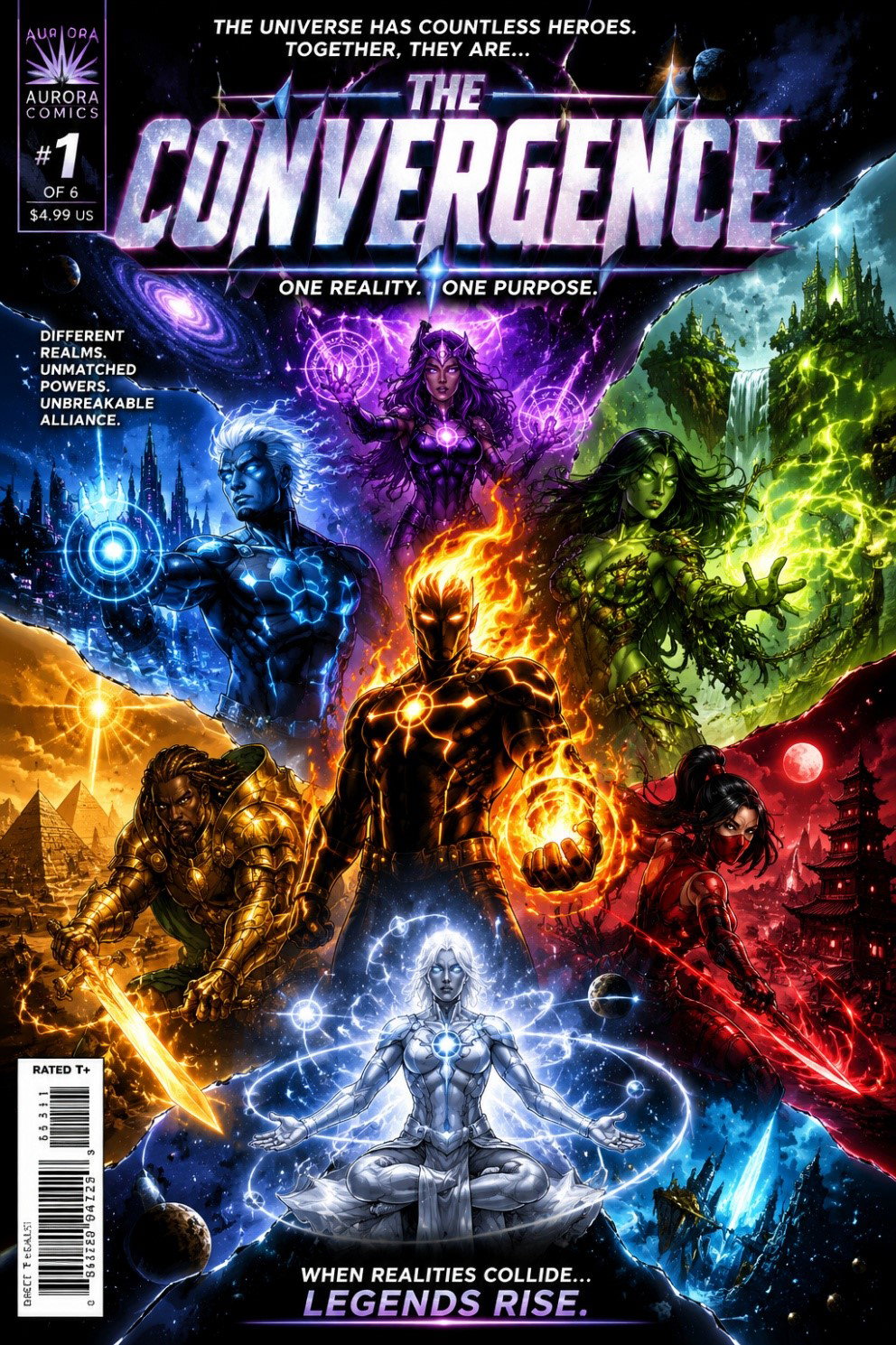
Just looking at the cover, we would love to read this comic! Wouldn’t you?
We even checked the barcode, and it didn’t return any results. Other than that, the color mix variation we asked for was on point. It even made the superheroes look different and gave the group a clichéd but cool name: The Convergence. Volume #1 of 6 (which it decided was enough volumes) was priced at a reasonable $4.99. The average cost of a new comic today is between $3.99 and $5.99 per issue.
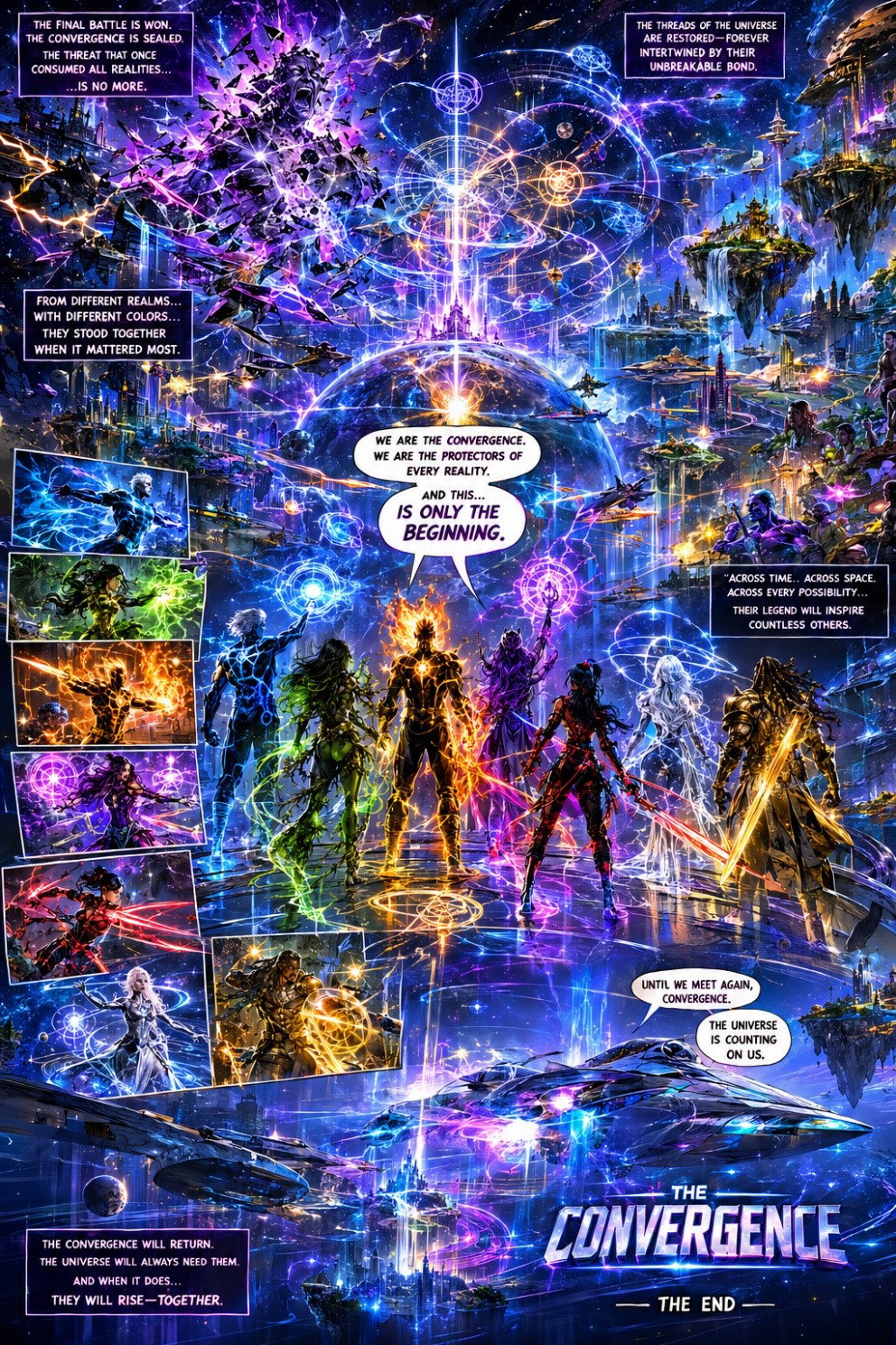
Bonus: Check out the last page of this comic.
Do you think ChatGPT’s story-writing skills are on point?
Topics For More Insights
What Limitations Does ChatGPT Images 2.0 Have?
While ChatGPT Images 2.0 does offer a major upgrade over its predecessor and is one of the best image generators at the moment, it still has some weak spots.
As per OpenAI, the model can struggle with tasks that require strong spatial understanding, such as origami guides, Rubik’s Cubes, or objects shown from tricky angles. It also has trouble with extremely dense or repetitive details, such as fine textures and complex patterns.
While text rendering is much better now, diagrams, labels, and arrows may still need manual checking for accuracy.
Conclusion
OpenAI’s ChatGPT Images 2.0 was released recently, and it’s already made a name for itself in the industry. It not only outperforms its predecessor, but also rival models. It doesn’t solely follow user prompts to generate images; it also accounts for context from the web to improve its outputs.
Through our tests, along with what OpenAI and third parties published, we conclude that the tool shows the ability to generate visuals across nearly every major artistic style imaginable, including cinematic photography, anime, manga, pixel art, oil paintings, and modern social-media aesthetics.
OpenAI still notes limitations within the model, meaning that even though it feels far more advanced, it’s not completely flawless yet.
Have you tried the ChatGPT Images 2.0 yet?
Frequently Asked Questions
Can ChatGPT Images 2.0 Create Professional Marketing And Business Visuals?
Yes, ChatGPT Images 2.0 is designed to create much more than simple AI artwork. Businesses can use it to generate marketing ads, social media creatives, infographics, presentation visuals, storyboards, posters, and branded content with far better accuracy than earlier AI image tools. Its ability to maintain visual consistency across multiple images and aspect ratios makes it especially useful for campaigns that need content tailored for platforms like LinkedIn, Instagram, and X.
How Accurate Is ChatGPT Images 2.0 When Generating Text Inside Images?
ChatGPT Images 2.0 significantly improves text rendering compared to older AI image generators. It can handle logos, labels, UI elements, multilingual text, and poster-style typography more clearly and naturally. However, while the quality is much better, users should still double-check detailed diagrams, fine print, and factual information inside generated graphics before using them professionally or publicly.
Is ChatGPT Images 2.0 Better Than Other AI Image Generators?
Many users and reviewers consider ChatGPT Images 2.0 one of the strongest AI image generators currently available because of its combination of reasoning, web context, detailed prompt understanding, and multi-image generation. Unlike traditional AI art tools that focus mainly on visuals, this model aims to function more like a creative production assistant by helping users create connected visual assets, realistic compositions, multilingual graphics, and highly structured designs with less manual editing.
Thu, May 14, 2026

Liked what you read? That’s only the tip of the tech iceberg!
Explore our vast collection of tech articles including introductory guides, product reviews, trends and more, stay up to date with the latest news, relish thought-provoking interviews and the hottest AI blogs, and tickle your funny bone with hilarious tech memes!
Plus, get access to branded insights from industry-leading global brands through informative white papers, engaging case studies, in-depth reports, enlightening videos and exciting events and webinars.
Dive into TechDogs' treasure trove today and Know Your World of technology like never before!
Disclaimer - Reference to any specific product, software or entity does not constitute an endorsement or recommendation by TechDogs nor should any data or content published be relied upon. The views expressed by TechDogs' members and guests are their own and their appearance on our site does not imply an endorsement of them or any entity they represent. Views and opinions expressed by TechDogs' Authors are those of the Authors and do not necessarily reflect the view of TechDogs or any of its officials. While we aim to provide valuable and helpful information, some content on TechDogs' site may not have been thoroughly reviewed for every detail or aspect. We encourage users to verify any information independently where necessary.
Loading comments...