Mobile
Are AI Smartphones Worth An Upgrade?
Share
Overview
Regardless of which you prefer, one thing is clear: the ecosystem we chose years ago often dictates our upgrades today.
For a long time, those upgrades have felt… optional. Each year brings a new phone, a better camera, a faster chip, but rarely a reason compelling enough to ditch a perfectly good device that one already has. That’s why the current push around AI smartphones feel different.
Apple is pitching intelligence built directly into the iPhone experience. Android makers are leaning into on-device AI, smart edits, live summaries, and contextual search. The promise is simple: your phone won’t just respond anymore; it will assist.
However, behind all the demos and marketing, a question remains.
Are AI smartphones genuinely changing how we use mobile phones?
TL;DR
-
AI smartphones focus on reducing friction in everyday tasks like photo editing, writing, search, and transcription.
-
The upgrade makes the most sense if your current phone is older, struggling with battery or performance, or nearing the end of software support.
-
For newer phones, many AI benefits already exist through apps, making system-level AI helpful but not essential.
-
Treat AI as a tiebreaker in an upgrade decision, not the sole reason to replace a phone that still works well.
Before we dive into that, what is an AI smartphone actually? Dial in.
What Is An AI Smartphone?
An AI smartphone is a new AI-driven category of smartphone that integrates intelligence into the smartphone operating system. This means tasks such as summarizing text, editing photos, transcribing audio, and understanding what’s on your screen can happen faster, with greater context, and, in some cases, directly on the device.
This shift is powered by dedicated hardware, usually a Neural Processing Unit, built into newer smartphone chips. Unlike traditional CPUs or GPUs, NPUs are optimized to run AI models efficiently without draining battery life or constantly sending data to the cloud.
In practice, AI smartphones combine three layers. On-device AI for speed and privacy, Cloud-based AI for heavier tasks, and system-level integration that allows AI features to appear naturally inside messages, photos, search, and notes.
The result is a phone that aims to assist rather than respond. Whether that assistance is valuable enough to justify an upgrade is where the real debate begins.
Before deciding whether to upgrade to an AI smartphone, let’s review its features.
Features Of AI Smartphones
Here are the key features of AI smartphones that companies are highlighting:
-
Camera And Editing
This is where AI shows up most clearly. Many phones now let users remove unwanted objects, clean up backgrounds, or extend images directly inside the gallery app.
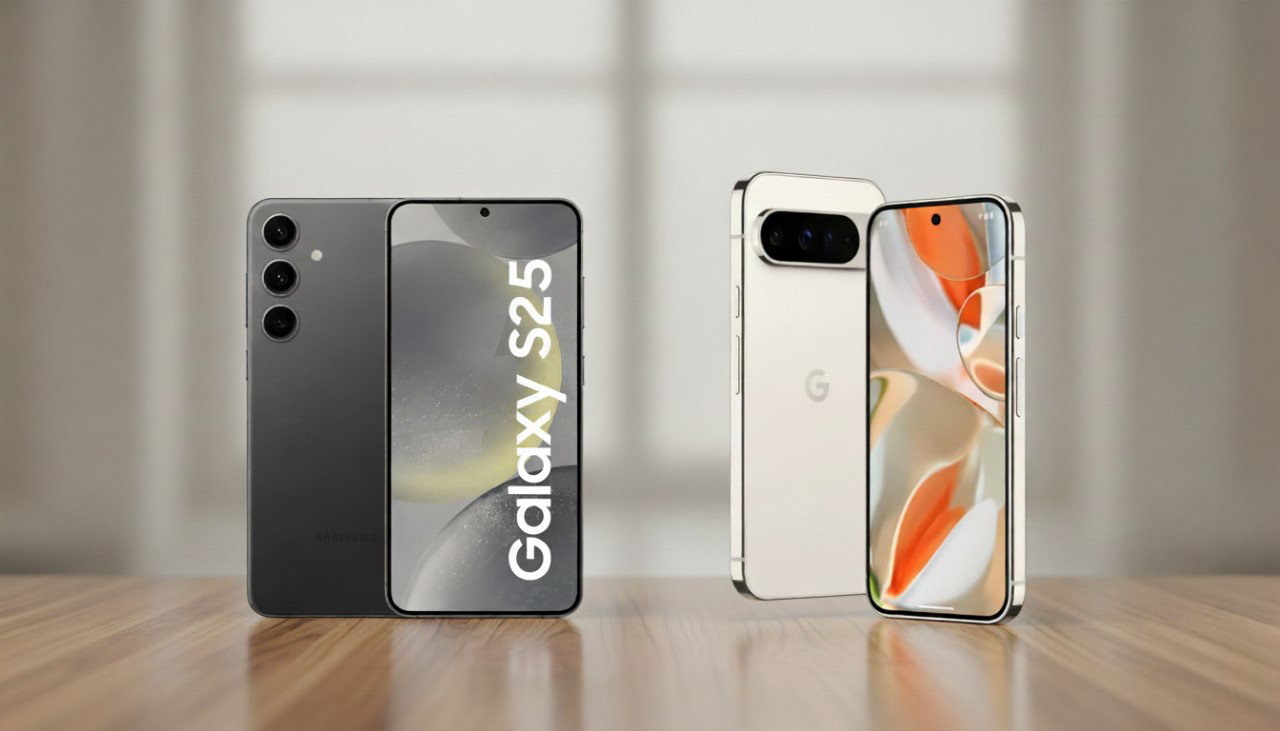
Generative editing and enhanced computational photography are now mainstream on flagship devices such as the Galaxy S25 series and the Pixel 10 line. Tasks that once required separate editing apps can now be done in a few taps.
Photo search has also improved in practical ways. Users can search for images using simple terms such as “documents,” “screenshots,” or “beach photos,” and the phone scans existing images to surface matches.
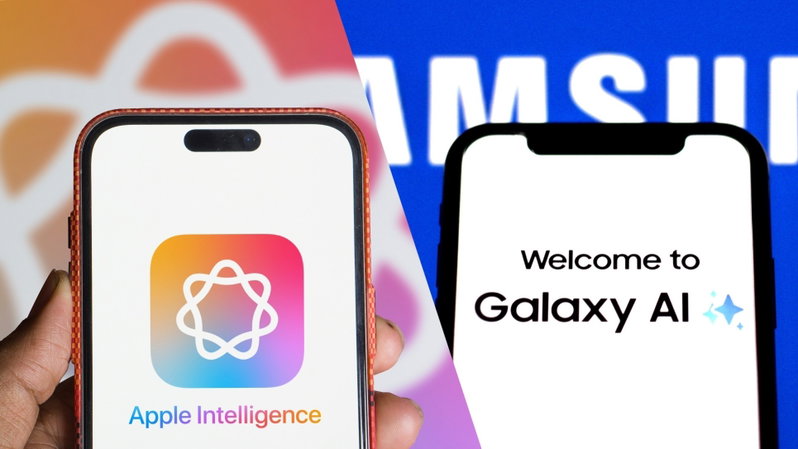
Apple’s suite of system-level tools under Apple Intelligence and Samsung’s Galaxy AI both include such capabilities across flagship models, showing how these features have become standard in 2025.Since this works on photos people already have, it saves time without changing how they use their phone.
-
Everyday Productivity
AI features in this category focus on handling everyday text and audio. Voice notes and recordings can be transcribed automatically. Long messages or notes can be shortened into quick summaries. Text can be cleaned up or rewritten to sound clearer.
These tools typically reside within default apps such as Notes, Messaging, or Email. There’s no new app to learn, and no setup is required. Samsung and Google have emphasized that contextual AI experiences are designed to support workflows across core apps rather than requiring users to switch between specialized tools. The idea is to make routine tasks easier, not to replace how people think or write. -
Contextual Search And Discovery
Contextual search lets users interact with what’s already on their screen. Instead of copying text or switching apps, they can highlight words, images, or objects and search for more information right away.
Given all that, the branding may differ, but the features look very similar across devices, making it easier to see where AI is actually being used today.
In fact, shipments of generative AI–enabled smartphones are projected to grow sharply, with one IDC forecast projecting a 364% year-over-year increase in 2024 alone, reaching 234.2 million units, underscoring vendors' bet on AI as a defining feature set.
That said, usefulness on paper does not always translate into lasting value in daily life, and this is where most of the excitement begins to fade.
Topics For More Insights
The Reality Check For Most AI-Enabled Smartphones
After the feature walkthroughs and launch demos, most reviews reach a similar conclusion: AI smartphones are helpful but not yet essential for everyone.
-
Early Excitement Fades Quickly
AI features often see strong usage in the first few days, but over time, most users fall back into familiar habits like messaging, browsing, social apps, and photos, limiting how often these tools are used.
Paolo Pescatore, an analyst at PP Foresight, pointed out that AI is being used to reignite consumer demand because previous smartphone upgrades had “not been as exciting”. This shows that standalone AI features cannot change daily behavior.
-
Availability Is Uneven
Not all AI features are available across regions, languages, or devices, and some are restricted to specific models or arrive later through updates, creating a gap between launch messaging and actual access. Oppo’s Europe CEO, Elvis Zhou, said AI features are appealing, especially to younger users. However, adoption still depends on how those tools perform across markets and languages—underscoring that availability and usefulness vary widely.
-
Real-World Performance Is Inconsistent
AI performs best under ideal conditions, but everyday inputs such as unclear photos, mixed languages, varied accents, or incomplete context can lead to inconsistent results that reduce reliability.
-
Trust Determines Long-Term Use
Users continue to use AI features only when outcomes are predictable and reliable, and inconsistent performance quickly turns these tools into optional extras rather than essentials.

The overall takeaway across reviews is cautious optimism. AI smartphones are clearly moving in a useful direction, but for many users, they still feel like an enhancement, not a strong enough reason to replace a phone that already works well.
Beyond usability and consistency, AI smartphones also introduce trade-offs that rarely come up during purchase decisions but matter once the phone becomes part of daily life.
The Hidden Trade-Offs People Don’t Notice
AI smartphones come with trade-offs that are easy to overlook during launch excitement but become important once the phone is used every day. Here’s how:
-
Subscription Risk
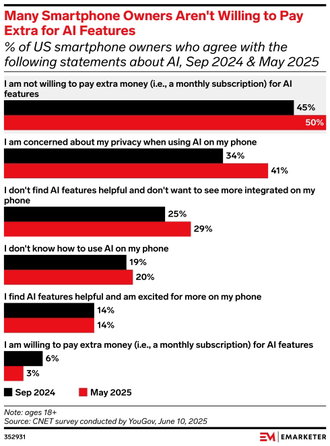
Many AI features are bundled today, but there are growing signs that advanced capabilities may shift to paid tiers over time, turning what feels like a one-time hardware upgrade into an ongoing cost. In a recent U.S. survey by eMarketer, 50% of smartphone owners said they’re not willing to pay more for AI capabilities, and only about 1 in 10 are willing to pay for AI subscriptions.
This suggests bundled AI features today might become a point of tension if future services move behind paywalls.
-
Privacy And Data Handling
Some AI tasks run directly on the device, while others rely on cloud processing, so users need to be aware of where their data is processed and stored, and how much control they have over it. A S&P Global survey found that 57% of people have privacy concerns about AI integrated into smartphones, with many users hesitant about how their data is processed and stored.
-
Battery And Performance Impact
AI workloads, especially those running continuously in the background, consume power and system resources, which can affect battery life and long-term performance if not managed well.
-
Feature Dependency On Updates
Many AI improvements depend on future software updates, making the experience evolve rather than delivering full value immediately after purchase. IDC forecasts indicate that generative AI smartphone shipments are rising rapidly, but incremental software releases are driving feature maturity.
-
Longevity Uncertainty
As AI features evolve quickly, it is unclear which capabilities will remain supported long term and which may be replaced, reworked, or removed in future updates.
These trade-offs show that upgrading to an AI smartphone is not just about what works today, but also about what continues to work reliably over the device's life.
With that context in place, the next step is to move beyond features and focus on decision-making, starting with a practical checklist to determine whether an upgrade makes sense.
Should You Upgrade To An AI Smartphone?
Instead of asking whether AI smartphones are good or bad, a better question is whether they make sense for how you actually use your phone. This framework helps translate features into a clear upgrade decision.
Always check:
-
The Age Of Your Current Phone
If your phone is three to four years old, AI features often arrive alongside meaningful gains in battery efficiency, performance, and long-term software support, making the upgrade easier to justify.
-
The Battery Health And Daily Reliability
When battery anxiety, heating, or slowdowns start affecting daily use, AI becomes an added benefit rather than the main reason to upgrade, tipping the decision in favor of a new device.
-
How Much Work Do You Do On Your Phone
Users who regularly write notes, handle long messages, record meetings, scan documents, or manage multiple tasks benefit more from built-in summaries, transcription, and text cleanup.
-
How Often You Edit Or Share Photos And Content
If your phone is a go-to for social posts, quick edits, or visual documentation, AI-powered camera and gallery tools save time by eliminating the need for additional apps.
-
Your Tolerance For Learning New Features
AI smartphones deliver the most value when users explore and adopt new tools; if you prefer a familiar setup and rarely change habits, the benefits may feel limited.
-
How Long You Plan To Keep Your Next Phone
Buyers planning to keep their phones for four to five years benefit more from AI devices with longer update and security support commitments.
-
Your Comfort With Evolving Software
AI features change rapidly through updates, so users who are comfortable with features improving over time tend to get more value than those expecting everything to work perfectly on day one.
This framework shifts the upgrade question away from hype and toward personal usage patterns, which is where the decision becomes clearer.
Thus, when you’re ready, the natural follow-up is to look at specific scenarios where upgrading actually makes sense, and just as importantly, when waiting is the smarter move.
Final Take
AI smartphones represent a real shift in how phones are designed, but they are not a universal trigger for upgrades. The features are helpful, increasingly polished, and clearly moving in the right direction. At the same time, they rarely change one’s daily behavior on their own.
For users on older devices, AI arrives alongside improved battery life, performance, and longer software support, making the upgrade feel worthwhile. For those on relatively recent phones, the difference is more subtle. Many AI capabilities already exist in app form, and system-level intelligence, while convenient, is still finding its place in everyday use.
The smartest way to think about AI smartphones is as a supporting factor. When combined with device age, reliability, and long-term value, AI can tip the decision in favor of upgrading. On its own, it is rarely enough.
If there’s one question worth asking before upgrading, it’s not “How smart is this phone?” but “What part of my daily phone use do I want to improve?”
Frequently Asked Questions
What Is The Difference Between A Smartphone And An AI Phone?
A smartphone relies mainly on apps to perform tasks. At the same time, an AI phone has built-in intelligence at the system level, enabling features such as summaries, photo editing, and search to run faster, with greater contextual relevance, and sometimes directly on the device.
What Are The Best AI-Powered Smartphones Available?
Popular AI-powered smartphones include recent flagship models from Apple, Google, and Samsung, which offer on-device AI for photography, writing assistance, transcription, and contextual search as part of their core operating systems.
How Do AI Assistants In Smartphones Improve Productivity?
AI assistants improve productivity by summarizing long-form content, transcribing voice notes, cleaning up text, and helping users find information quickly, reducing time spent on repetitive tasks and allowing them to focus on what matters most.
Tue, Jan 6, 2026

Enjoyed what you've read so far? Great news - there's more to explore!
Stay up to date with the latest news, a vast collection of tech articles including introductory guides, product reviews, trends and more, thought-provoking interviews, hottest AI blogs and entertaining tech memes.
Plus, get access to branded insights such as informative white papers, intriguing case studies, in-depth reports, enlightening videos and exciting events and webinars from industry-leading global brands.
Dive into TechDogs' treasure trove today and Know Your World of technology!
Disclaimer - Reference to any specific product, software or entity does not constitute an endorsement or recommendation by TechDogs nor should any data or content published be relied upon. The views expressed by TechDogs' members and guests are their own and their appearance on our site does not imply an endorsement of them or any entity they represent. Views and opinions expressed by TechDogs' Authors are those of the Authors and do not necessarily reflect the view of TechDogs or any of its officials. While we aim to provide valuable and helpful information, some content on TechDogs' site may not have been thoroughly reviewed for every detail or aspect. We encourage users to verify any information independently where necessary.
Loading comments...