Enterprise Solutions
Top 5 Product Lifecycle Management Software Of 2026
Share
TL;DR
Modern PLM software provides a digital foundation to streamline product development, global collaboration, and complex engineering workflows for 2026.
-
Teamcenter: Offers unmatched enterprise scalability through comprehensive digital twin integration and deep multi-CAD interoperability for global industries.
-
Aras Innovator: Provides an open, low-code architecture that allows organizations to modify complex workflows without heavy redevelopment effort.
-
Centric PLM: Delivers a highly optimized user experience specifically designed for the fast-paced retail, fashion, and consumer goods sectors.
-
ENOVIA: Enables seamless global integration within the 3DEXPERIENCE ecosystem, focusing on advanced version control and system-level data governance.
-
Propel: Distinguishes itself as a cloud-native solution built on Salesforce, uniting product, quality, and customer data for agile teams.
Introduction
Remember those school fun fairs where the biggest challenge was gathering enough cardboard to build a lemonade stand? It was a thrilling mix of raw creativity and frantic teamwork, fueled by the simple goal of getting your stall ready before the opening bell. Those childhood projects taught us the basics of collaboration, yet they operated in a world with limited stakes and even fewer stakeholders. In today’s professional landscape, bringing a vision to life has evolved far beyond those nostalgic schoolyard strategies.
Modern product development involves intricate global supply chains, tight regulatory requirements, and lightning-fast market demands that leave no room for guesswork. Meticulous planning and a well-structured digital strategy are now the baseline for survival rather than just a competitive advantage. This is exactly where Product Lifecycle Management (PLM) software steps in to serve as the digital backbone of your operations. By unifying every stage of a product’s journey on a single platform, these tools drive the innovation and efficiency needed to turn brilliant ideas into successful realities. Discover how these Five PLM Tools are redefining product excellence for 2026.
What Is A Product Lifecycle Management Software?
Product Lifecycle Management (PLM) Software is a comprehensive solution designed to manage data and processes across every stage of a product or service lifecycle. This includes handling information about items, parts, products, documents, requirements, engineering change orders and quality workflows across globalized supply chains.
Modern PLM solutions are pivotal for business transformation, offering a digital foundation for product development, iteration, and management strategies. By aligning processes on a single platform, businesses can enhance product design, manufacturing, maintenance and service, driving faster innovations and operational efficiency.
This listicle is all about the top PLM tools, and this year, we're back with an updated list for 2026, showcasing both strong existing contenders and exciting new ones.
So, what are you waiting for? Let's get to the segment you are here for. TechDogs presents the top 5 Product Lifecycle Management Software of 2026!
Top 5 Product Lifecycle Management Software Of 2026
Here are the best Product Lifecycle Management (PLM) Software for 2026, each offering unique benefits. We've listed them (in no particular order!) to help you find the best fit for your needs!
 |
 |
 |
 |
 |
Teamcenter: Best For Enterprise
Teamcenter remains a leading force in the 2026 PLM landscape, maintaining its top-tier status for enterprise-grade lifecycle management. Developed by Siemens Digital Industries Software, it continues to drive digital transformation across global industries through its Teamcenter X cloud suite. Teamcenter was also named a leader in the Forrester Wave™: Product Lifecycle Management for Discrete Manufacturing, Q3 2025, for its leadership in digital engineering innovation.
Why We Chose Teamcenter In 2026
Teamcenter’s advantage lies in its comprehensive digital twin integration, multi-CAD interoperability, and unified engineering data environment. It offers unmatched scalability, deep configuration controls, and seamless connection with Siemens’ broader ecosystem, including NX and Simcenter, ensuring cohesive lifecycle visibility.
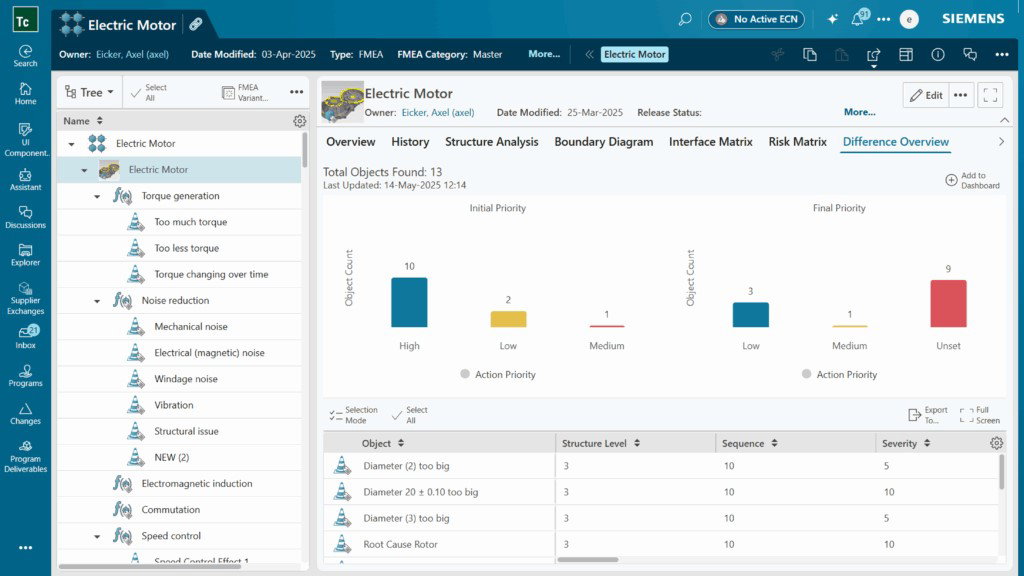
Teamcenter X delivers SaaS-based deployment, AI-assisted workflows, and ISO 27001, SOC 2, and GDPR compliance, guaranteeing robust data protection. It supports enterprise collaboration with secure cloud-native access, advanced version control, and end-to-end lifecycle traceability.
Pricing
Siemens does not publicly disclose pricing for Teamcenter. The platform uses an enterprise-specific subscription model, with pricing based on deployment scale and feature requirements. Organizations can request customized quotes, product demonstrations, and trial access directly from Siemens.
What Works And What Doesn’t
| Pros | Cons |
| Extremely powerful for global, complex product supply chains | Can be overwhelming for smaller firms |
| Deep CAD and simulation integration | High licensing and customization costs |
| Proven scalability and reliability | Implementation time may be long |
Our Final Take
Teamcenter is best suited for large enterprises managing complex product ecosystems requiring high security and digital twin integration. Less ideal for small businesses seeking a lightweight PLM. For those prioritizing reliability, scalability, and long-term digital transformation, Teamcenter remains the benchmark PLM of 2026.
Aras Innovator: Best Customization
Aras Innovator is a new entrant on the PLM system list and maintains its strong presence in the 2026 Product Lifecycle Management market, remaining one of the most flexible and future-ready PLM platforms available. Developed by Aras Corporation, the solution was recognized as a Leader in the Forrester Wave™: Product Lifecycle Management for Discrete Manufacturing, Q3 2025, for its adaptability and open architecture. The company was also highlighted in IDC’s 2025 SaaS CSAT Awards for customer satisfaction and digital innovation.
Why We Chose Aras Innovator In 2026
Aras Innovator stands out for its open, low-code architecture and ability to adapt to unique enterprise needs. It allows organizations to modify workflows, models, and integrations without heavy redevelopment, making it ideal for enterprises that value flexibility, long-term scalability, and rapid adaptation to digital engineering changes.
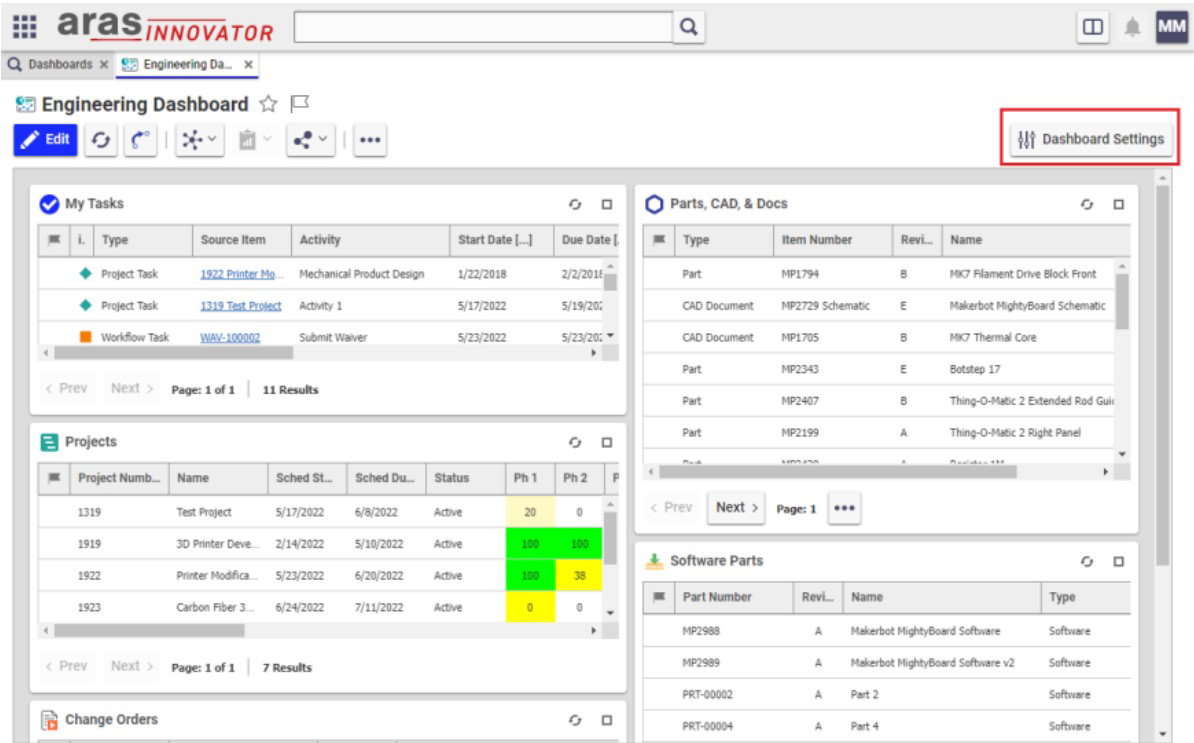
The platform supports model-based systems engineering (MBSE), digital twin functionality, and complete traceability from requirements through manufacturing. It ensures enterprise-grade protection with SOC 2, ISO 27001, and GDPR compliance. Aras Innovator also integrates with leading ERP and CAD tools, promoting collaboration across product teams and improving lifecycle visibility.
Pricing
Aras Innovator is available in two plans: the Community Edition, which is free for up to 50 users annually, and the Subscription Edition, which is priced on a custom quote per year. Pricing details of Aras Innovator for the Subscription Edition are not publicly disclosed.
What Works And What Doesn’t
| Pros | Cons |
| Offers exceptional flexibility and openness for customization. | Requires significant configuration and setup effort. |
| Performs strongly in complex, regulated industries such as aerospace and defense. | Too sophisticated for smaller businesses |
| Provides robust data management and excellent vendor responsiveness. | A narrower partner ecosystem compared to larger PLM incumbents. |
Our Final Take
Aras Innovator is best suited for enterprises that demand flexibility, open architecture, and strong lifecycle traceability. It may not be ideal for smaller companies seeking an out-of-the-box PLM solution. For organizations pursuing long-term innovation and digital continuity across engineering and manufacturing, Aras Innovator remains a top-tier and future-ready choice in 2026.
Centric PLM: Best User Experience (UX)
Centric PLM continues to hold a leading position in 2026, remaining one of the most trusted solutions for brands and retailers seeking to accelerate product development and collaboration. Developed by Centric Software, a subsidiary of Dassault Systèmes, the platform has become a standard across the consumer goods, fashion, and manufacturing industries. Centric Software won multiple Just Food Excellence Awards in 2025 for innovation, product launch, and business expansion, particularly in the FMCG industry.
Why We Chose Centric PLM In 2026
Centric PLM excels in unifying product design, sourcing, and market launch processes, offering strong collaboration and speed-to-market advantages. Its flexibility and industry-specific focus make it ideal for dynamic, trend-driven sectors such as apparel, footwear, and consumer goods.
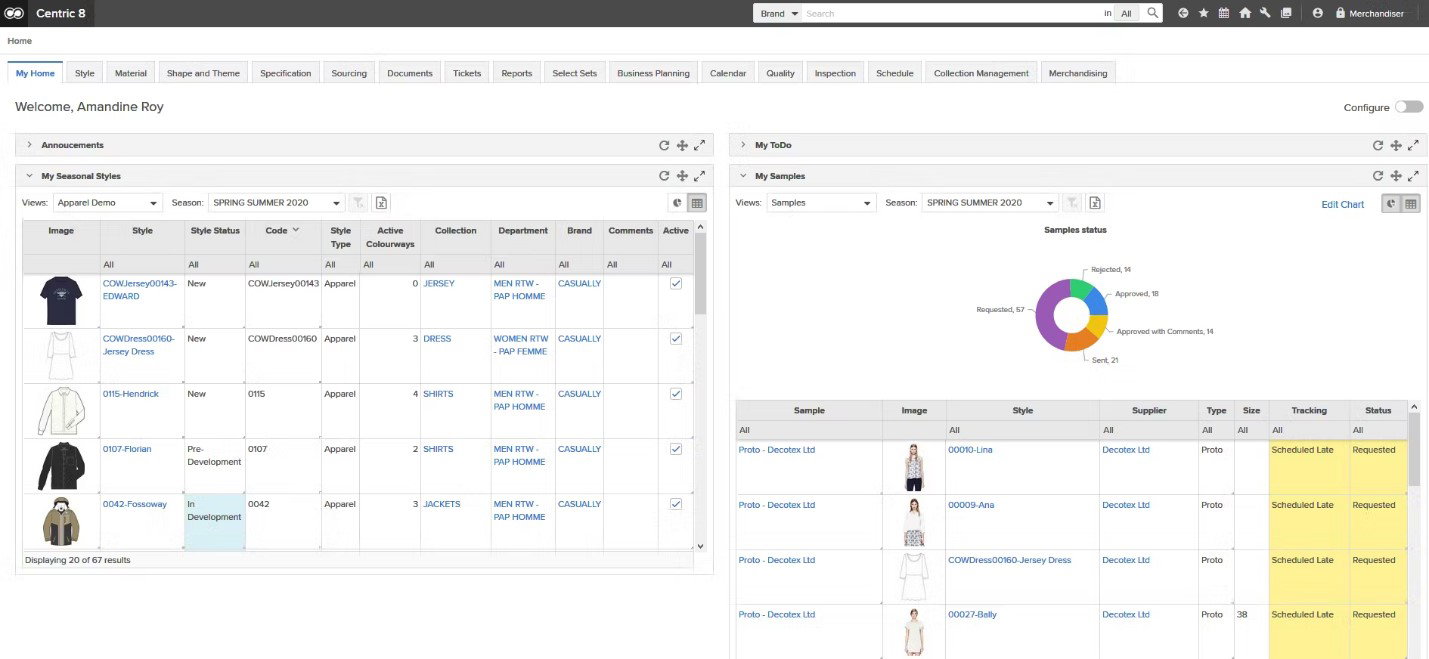
The platform ensures global scalability, reliable cloud deployment, and compliance with GDPR and SOC 2 standards. What’s more, its integration with enterprise systems enhances visibility and provides seamless supply chain management.
Pricing
Centric PLM follows a subscription-based pricing model, tailored to company size, product categories, and deployment scale. Pricing is not publicly disclosed, but businesses can request customized quotes or product demonstrations directly from Centric Software.
What Works And What Doesn’t
| Pros | Cons |
| Highly optimized for retail, fashion, and consumer goods. | Unsuitable for heavy industrial or engineering sectors. |
| Enables fast deployment and strong supplier collaboration. | May require customization for complex manufacturing workflows. |
| Enables rapid cloud deployment and high system uptime. | Offers fewer out-of-the-box features for technical industries. |
Our Final Take
Centric PLM is best suited for brands and manufacturers in consumer-driven markets seeking faster product cycles and tighter supplier collaboration. It may not be ideal for engineering-heavy industries, but for retail and lifestyle sectors, Centric PLM remains a market leader in 2026.
Topics For More Insights
Enovia: Best For Integration
ENOVIA is another new entrant to our 2026 list and remains one of the most established PLM platforms, continuing to anchor Dassault Systèmes’ 3DEXPERIENCE ecosystem. It enables global enterprises to unify product data, processes, and collaboration across engineering and manufacturing. ENOVIA received multiple recognitions in 2024 and 2025, including the Top Rated and Emotional Footprint Awards in the PLM software category.
Why We Chose ENOVIA In 2026
ENOVIA is recognized for its model-based systems engineering (MBSE) framework, deep integration with CATIA and SIMULIA, and enterprise-grade configuration management. It delivers strong version control and collaborative modeling, making it ideal for managing multi-disciplinary product structures.
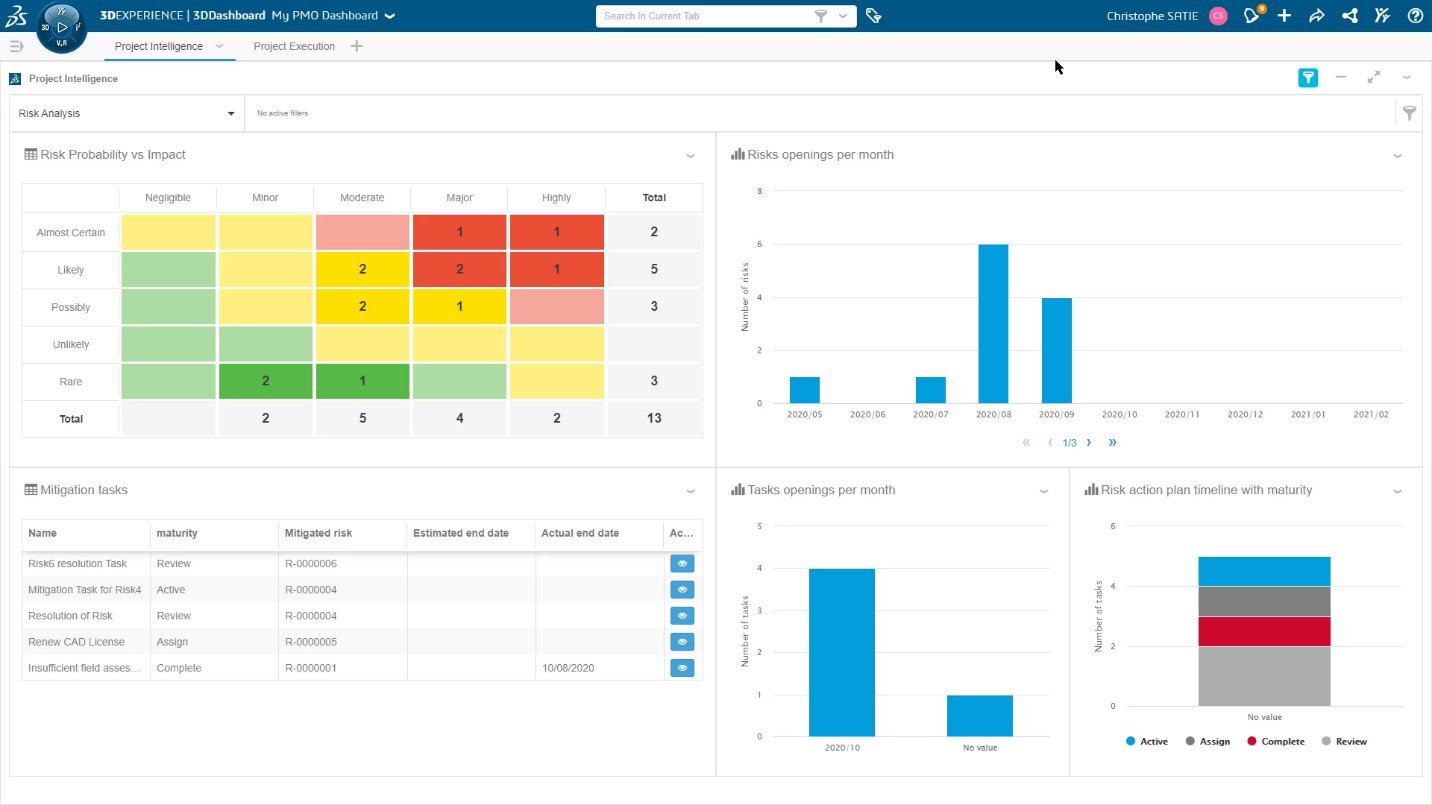
The platform supports secure cloud and on-premises deployments with compliance with ISO 27001, SOC 2, and GDPR standards. ENOVIA’s data governance features ensure accuracy and traceability across product lifecycles, supported by high scalability and 3DEXPERIENCE connectivity.
Pricing
ENOVIA follows a custom enterprise pricing model that varies by deployment type and module selection. Dassault Systèmes does not publicly disclose pricing information but offers tailored packages and trials through the 3DEXPERIENCE platform.
What Works And What Doesn’t
| Pros | Cons |
| Integrates deeply with CATIA, SIMULIA, and DELMIA | Requires system resources for large deployments |
| Provides advanced version control and data governance | Can be complex to configure for hybrid cloud environments |
| Supports model-based systems engineering with strong traceability | Comes with a steeper learning curve for new users |
Our Final Take
ENOVIA is best suited for large engineering-driven enterprises that need unified collaboration and system-level lifecycle management. It may not be ideal for smaller organizations with lightweight PLM needs, but for complex, data-intensive environments, ENOVIA remains a robust product lifecycle management solution in 2026.
Propel: Best Value
Propel continues to grow rapidly in 2026, strengthening its position as a modern, cloud-native PLM platform. Founded in 2015 and headquartered in Redwood City, California, Propel remains independent and built entirely on the Salesforce platform, ensuring scalability and reliability. The company was recognized on Deloitte’s Technology Fast 500 and featured in Fortune's America’s Most Innovative Companies 2025 for its product innovation.
Why We Chose Propel In 2026
Propel distinguishes itself through its native Salesforce integrations, multi-tenant architecture, and rapid deployment model. It enables seamless connectivity among product, quality, and customer data, making it well-suited for fast-moving product organizations.
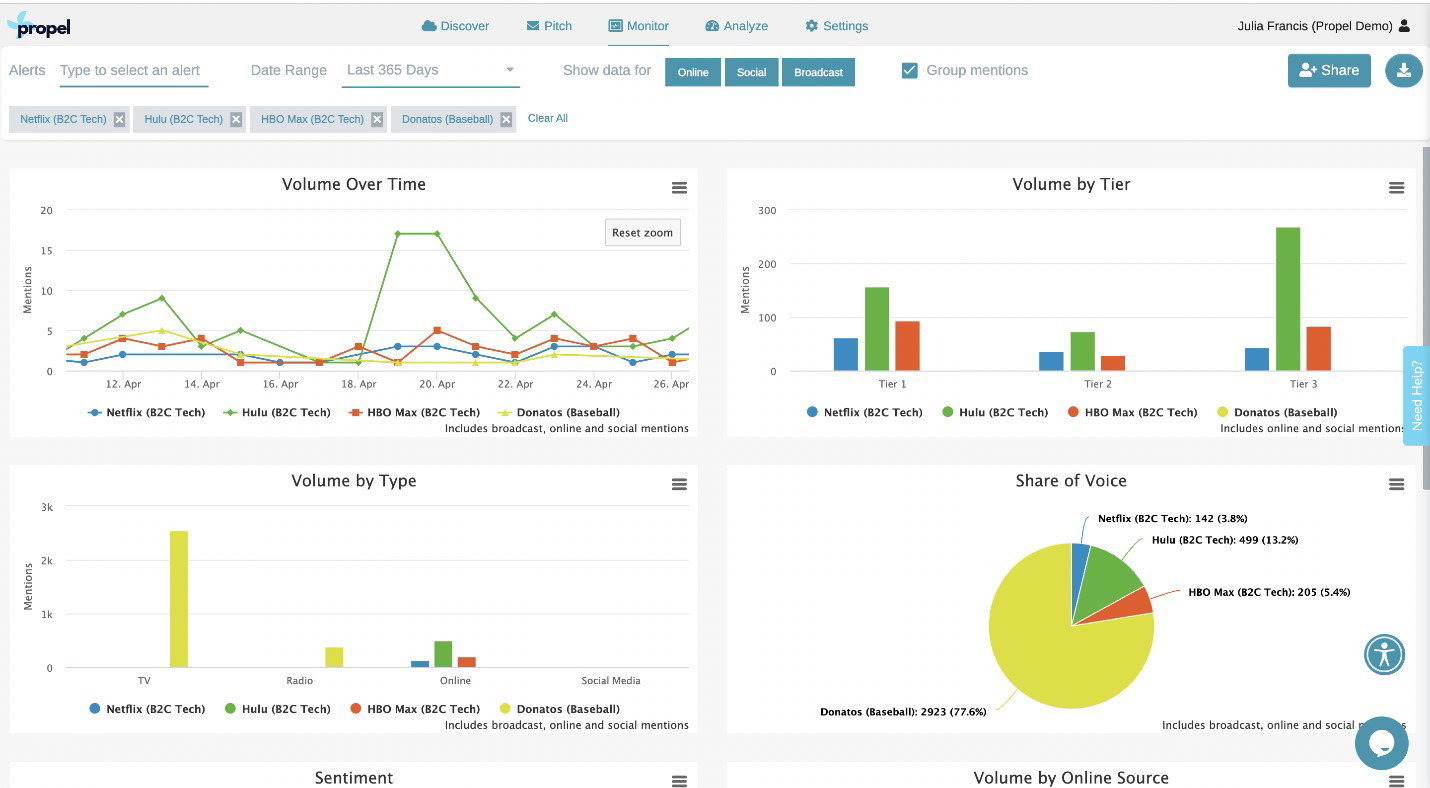
The platform ensures enterprise-grade security through Salesforce’s ISO 27001, SOC 2, and GDPR compliance frameworks. Propel also supports API-based integrations, scalable data modeling, and automated workflows that enhance lifecycle visibility and collaboration.
Pricing
Propel uses a subscription-based pricing model with plans such as Product Performance, Product Quality, Product Enrichment, Product Collaboration, and Partner Collaboration. These are available under Professional, Enterprise, and Unlimited tiers. Pricing is not publicly disclosed and is provided upon request based on scale and deployment needs.
What Works And What Doesn’t
| Pros | Cons |
| Offers native integration with Salesforce CRM and ERP systems. | Provides fewer advanced CAD integrations compared to legacy PLM tools. |
| Supports rapid deployment and low maintenance overhead. | May lack depth in heavy engineering data management. |
| Delivers strong cloud scalability and API extensibility. | Limited global ecosystem compared to traditional PLM vendors. |
Our Final Take
Propel is one of the best PLM (Product Lifecycle Management) solutions for modern, cloud-oriented enterprises seeking to unify product, quality control, and customer data within a single digital platform. It may not fit organizations with complex CAD or simulation requirements, but for agile and connected product teams, Propel stands out as one of the most innovative PLM solutions of 2026.
Top 5 Product Lifecycle Management (PLM) Software Comparison
P.S.: Always remember to visit the vendor’s site for the latest information!
| Criteria |  |
 |
 |
 |
 |
| Starting Price | N/A | Free | N/A | N/A | N/A |
| Avg. User Rating | 4.5 | 4.4 | 4.0 | 4.2 | 4.2 |
| Trial Period / Demo | 30-day free trial | Free Demo | Free Demo | Free Demo | 3-day free trial |
| Key Features | Broad enterprise PLM with digital twin, multi-CAD support, and large-scale collaboration | Open low-code architecture, model-based systems engineering, and high customizability. | Retail/consumer goods-oriented PLM, supplier collaboration, and fast-to-market workflows | Enterprise configuration management, deep engineering integration in the 3DEXPERIENCE ecosystem, and more | Cloud-native PLM + QMS + PIM built on Salesforce, rapid deployment for product organizations. |
| Integrations | ERP, simulation tools, and more | SAP, Oracle, SolidWorks, and more | Design systems, supplier networks, and more | CATIA, SIMULIA, DELMIA, and more | Salesforce CRM/ERP, APIs, supplier management, and more |
Conclusion
In 2026, the PLM landscape is shifting toward cloud-native, intelligent, and connected systems. Teamcenter leads in enterprise scalability and digital twin innovation, while Aras Innovator stands out for low-code flexibility and open architecture. Centric PLM is sufficient to dominate the consumer and retail sectors that need cloud-based collaboration, and ENOVIA remains the go-to for complex engineering within Dassault’s 3DEXPERIENCE ecosystem. Propel, meanwhile, represents the new SaaS generation, uniting product, quality, and customer data.
Across industries, PLM is evolving from engineering software into a strategic business platform that drives efficiency, compliance, and innovation. Choosing the right system now depends less on size and more on agility, scalability, and integration needs.
So, these five PLM tools define the modern benchmark for product lifecycle excellence in 2026!
What are you waiting for? Happy shopping!
Frequently Asked Questions
What Are The Top 5 Product Lifecycle Management (PLM) Software Of 2026?
The top five PLM software of 2026 are Teamcenter, Aras Innovator, Centric PLM, ENOVIA, and Propel, each selected for leadership in PLM functionality, scale, industry focus and innovation.
What Is The Best Product Lifecycle Management Software?
The “best” PLM software depends on your organization's size, industry, and workflows: for large, complex engineering firms, Teamcenter or ENOVIA might be optimal, while for consumer goods or fast-moving products, Centric PLM or Propel could be optimal.
What Are The Features Of Product Lifecycle Management Software?
Key PLM features include a central product data repository, change management workflows, bill of materials (BOM) control, cross-functional collaboration, regulatory/quality management, real-time updates, and integration with CAD/ERP systems.
Wed, Dec 17, 2025

Liked what you read? That’s only the tip of the tech iceberg!
Explore our vast collection of tech articles including introductory guides, product reviews, trends and more, stay up to date with the latest news, relish thought-provoking interviews and the hottest AI blogs, and tickle your funny bone with hilarious tech memes!
Plus, get access to branded insights from industry-leading global brands through informative white papers, engaging case studies, in-depth reports, enlightening videos and exciting events and webinars.
Dive into TechDogs' treasure trove today and Know Your World of technology like never before!
Disclaimer - Reference to any specific product, software or entity does not constitute an endorsement or recommendation by TechDogs nor should any data or content published be relied upon. The views expressed by TechDogs' members and guests are their own and their appearance on our site does not imply an endorsement of them or any entity they represent. Views and opinions expressed by TechDogs' Authors are those of the Authors and do not necessarily reflect the view of TechDogs or any of its officials. While we aim to provide valuable and helpful information, some content on TechDogs' site may not have been thoroughly reviewed for every detail or aspect. We encourage users to verify any information independently where necessary.
Loading comments...