Content Management
Top 5 Digital Asset Management Software Of 2026
Share
TL;DR
-
Bynder: Offers an intuitive interface with automated branding tools for creative teams.
-
Sitecore Content Hub: Provides a unified environment for enterprise grade content operations.
-
Canto: Features AI powered visual search and facial recognition for quick retrieval.
-
Acquia DAM: Excels at managing complex multi brand ecosystems with deep integrations.
-
Google Workspace: Serves as a familiar and accessible entry point for asset collaboration.
Introduction
Have you ever spent hours hunting for a specific file on your computer, clicking through endless folders only to find it is missing? It feels exactly like searching for a single matching sock in a massive laundry basket. You know it exists and that you put it there, yet it remains stubbornly out of sight while the clock keeps ticking. This digital hide and seek is more than just a minor annoyance because in a fast paced professional world, every minute spent digging through a cluttered desktop is a minute of lost productivity.
Digital Asset Management (DAM) software acts as your high tech filing cabinet, ensuring your images, videos, and documents are neatly organized and ready the moment you need them. By centralizing your media, these tools eliminate the chaos of messy folders and replace it with a streamlined, searchable system. Here are the top 5 Digital Asset Management Software options to help you master your content library in 2026.
What Is Digital Asset Management Software?
Digital Asset Management Software is a comprehensive tool that helps organize, store, and manage digital assets, including images, videos, documents, audio files, and other multimedia content. It is more like a digital filing cabinet that makes it easy to find, retrieve and share assets whenever needed.
As we move into 2026, the evolution of DAM software continues, with the advent of even more advanced features and integrations designed to automate workflows and drive efficiency in managing and distributing digital assets in a world that is increasingly reliant on social media.
On that note, let’s learn more about the best Digital Asset Management Software of 2026.
Top 5 Digital Asset Management Software Of 2026
Here are the top 5 Digital Asset Management Software of 2026, in no particular order, each with features to help you find the best option for managing and improving your digital asset libraries.
 |
 |
 |
 |
 |
Bynder: Best User Experience (UX)
Bynder retains its position on our list from last year, as one of the most trusted DAM platforms for marketing and brand-driven enterprises. Still independently operated, Bynder helps businesses centralize, manage, and distribute branded content efficiently. In 2025, it earned the G2 Leader Award for Digital Asset Management. Bynder supports over 1.4 million users across more than 130 countries.
Why We Chose Bynder In 2026
Bynder stands out because it has an easy-to-use interface, strong version control, and automated branding processes that make it easier for creative people to work together. Its Dynamic Asset Transformation and Creative Workflow features help marketing teams manage content efficiently. Compared with rivals, Bynder’s integrations with Adobe Creative Cloud, Salesforce Marketing Cloud, and CMS platforms enable faster asset delivery and stronger cross-team alignment globally.
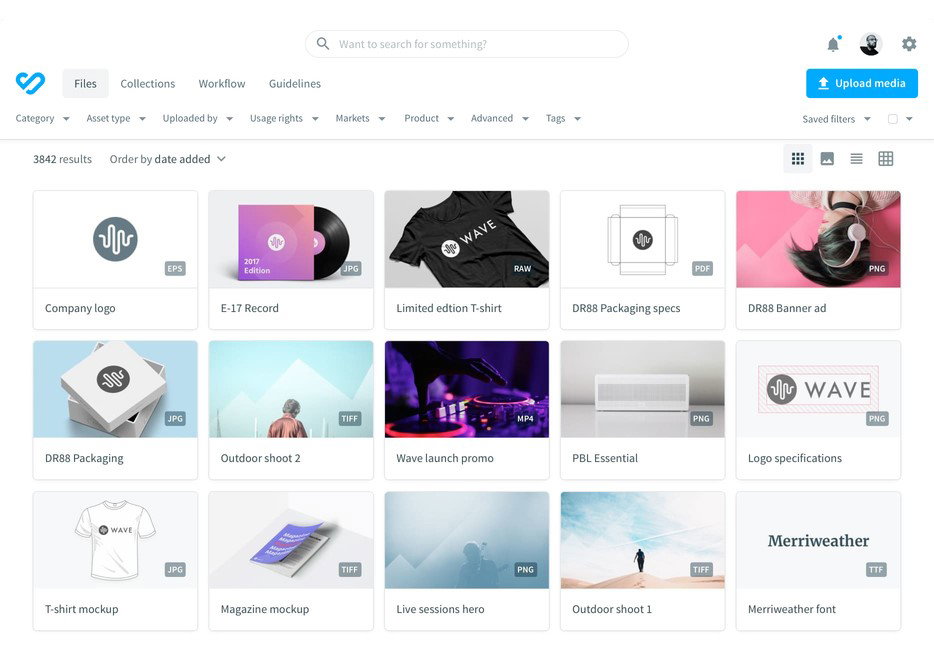
Designed for scalability, Bynder’s cloud-native DAM offers modular extensions for brand portals, digital templates, and marketing campaign management. Security remains enterprise-grade, with ISO 27001, SOC 2 Type II, and GDPR compliance as standards. AES-256 encryption safeguards data in transit and at rest, while single sign-on (SSO) and multi-factor authentication protect identities for large enterprises.
Pricing
Bynder does not disclose official pricing on its website. The company primarily offers custom-quoted pricing based on asset volume, storage needs, and user tiers, with a free demo and trial available via its website upon request.
What Works and What Doesn’t
| Pros | Cons |
| User-friendly UI and smooth onboarding for teams | Higher cost for full-feature enterprise plans |
| Advanced automation and AI tagging facilitate easy content management | Limited offline accessibility for large asset libraries |
| Strong integrations with Adobe, Salesforce, and CMS tools | Requires training for maximizing workflow automation |
Our Final Take
Bynder is a great digital asset management solution for mid-to-large enterprises seeking a scalable, brand-governance-centric DAM with world-class automation and compliance. For marketing organizations that prioritize consistency and security, Bynder remains a top-tier choice in 2026.
Sitecore Content Hub: Best For Enterprise
Sitecore Content Hub debuts as a powerful, enterprise-grade platform that unites DAM and content operations. It was named a Visionary in the 2025 Gartner Magic Quadrant for Digital Asset Management Platforms for its clear strategic goal and effective execution. Sitecore Content Hub helps businesses unify their content lifecycle and governance by supporting marketing teams across countries.
Why We Chose Sitecore Content Hub In 2026
The best thing about the platform is its unified environment that combines DAM, content planning, delivery, and advanced AI features. Sitecore's intelligent tagging, automated process orchestration, and omnichannel asset distribution make marketing easier worldwide. Unlike traditional DAMs, it integrates natively with Sitecore Experience Cloud, making it a comprehensive solution for brand consistency and enterprise-scale content governance.
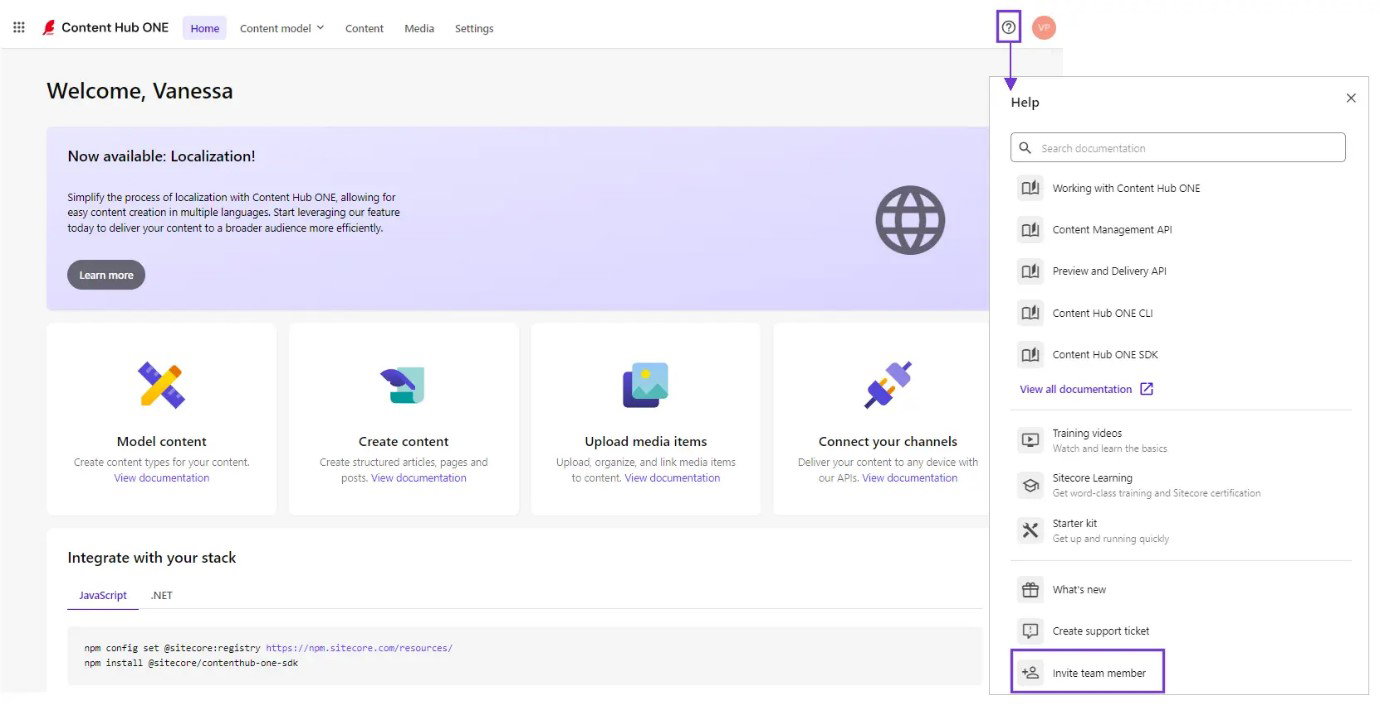
Built for complex environments, Sitecore Content Hub offers centralized asset control, automated metadata management, versioning, and global collaboration. Its API structure is ready for integration, allowing it to work well with CRM, PIM, and CMS. Sitecore has security certifications for ISO 27001, ISO 27017, ISO 27018, and SOC 1 and SOC 2 Type II. These ensure that the company is GDPR-compliant and that all its cloud technology provides robust data protection.
Pricing
Sitecore Content Hub uses a custom, enterprise-level pricing model that is not publicly disclosed on its website. The cost is highly variable and depends entirely on an organization's specific needs, including the number of users, required features, and the scale of implementation.
What Works and What Doesn’t
| Pros | Cons |
| Combines DAM, content operations, and workflow automation in one platform | Higher pricing and longer implementation timeline |
| Strong AI-powered tagging, metadata management, and omnichannel publishing features | Requires dedicated IT resources and onboarding for complete optimization |
| Seamless integration with Sitecore Experience Cloud and other marketing systems | Overwhelming for small marketing teams |
Our Final Take
Sitecore Content Hub is best suited for global enterprises or marketing departments seeking unified asset and content governance with AI-driven automation. It is ideal for large-scale operations, delivering enterprise-grade performance and future-ready scalability.
Canto: Best Customer Support
Canto is on our list of the best DAM software solutions of 2026 for its seamless AI integration and ease of use. It received the G2 Best Software Award for Content Management Products in 2025. The company continues to expand globally. Thousands of businesses in North America, Europe, and Asia use its cloud-based DAM systems.
Why We Chose Canto In 2026
Canto stands out for its simplicity, robust metadata management, and smart automation that accelerate content discovery and sharing. Its AI Visual Search and Facial Recognition features make it easier to locate assets, and its user-friendly interface enables team members to collaborate more effectively. Compared to enterprise-heavy DAMs, Canto’s low learning curve and faster deployment make it a strong choice for agile marketing teams.
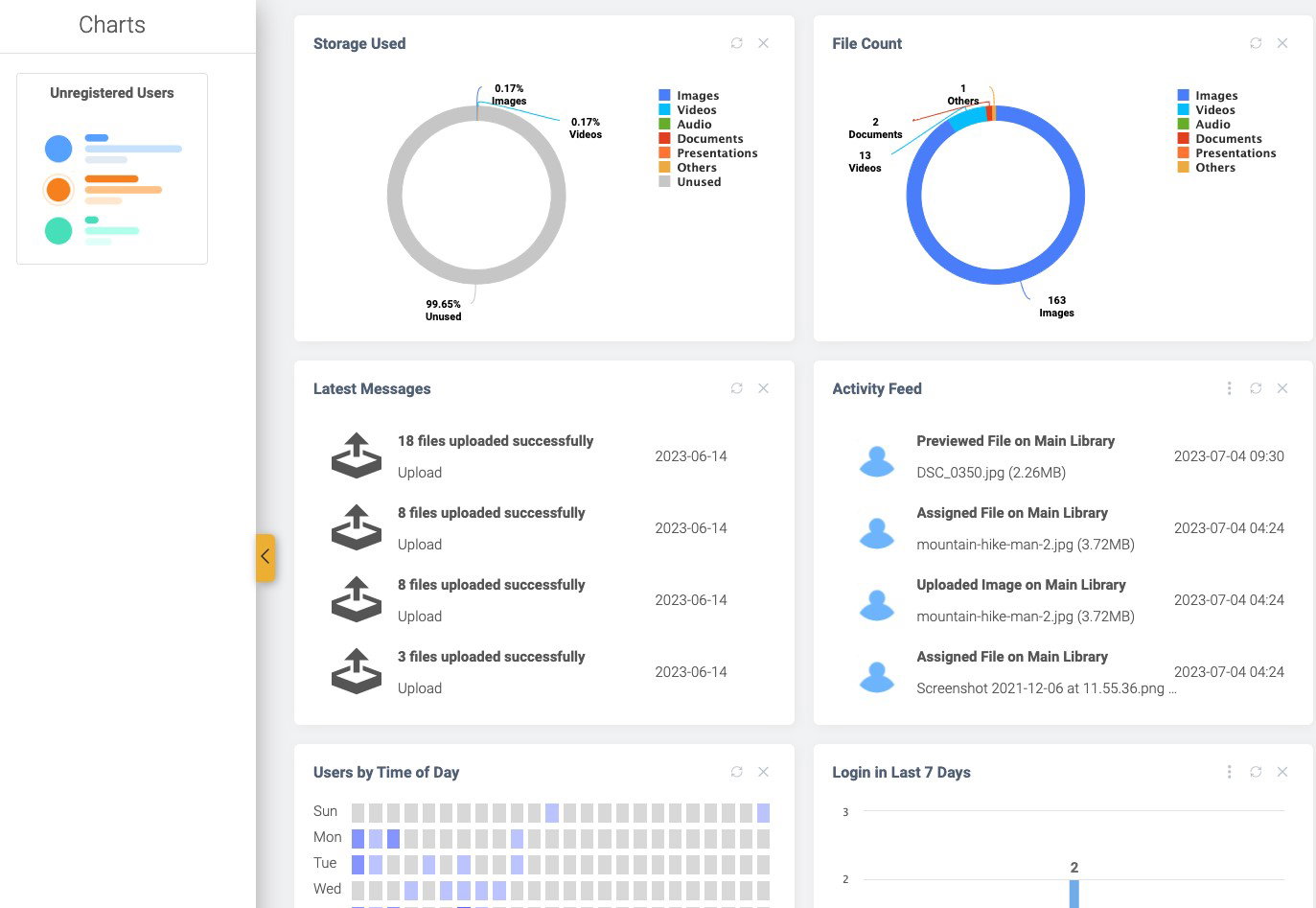
Technically, Canto supports advanced metadata tagging, version control, and dynamic sharing portals, enabling organizations to support brand consistency effortlessly. It offers secure cloud storage with SOC 2 Type II certification, GDPR compliance, and AES-256 encryption. Scalable API integrations with tools such as Adobe Creative Cloud, Slack, and WordPress ensure seamless workflow connectivity across various ecosystems.
Pricing
Canto does not provide publicly available, standardized pricing for its DAM platform; instead, Canto offers custom quotes tailored to each business's specific needs, along with a complimentary demo.
What Works and What Doesn’t
| Pros | Cons |
| Intuitive UI and minimal setup time for non-technical users | Limited customization for highly complex enterprise workflows |
| AI Visual Search and Facial Recognition for asset retrieval | Fewer built-in governance controls than large-scale DAMs |
| Strong security compliances, such as SOC 2 Type II, GDPR compliance, and AES-256 encryption | Lacks deeper integration layers with advanced ERP or PIM systems |
Our Final Take
Canto is best suited for small to mid-sized marketing teams or creative agencies looking for a secure, intuitive, and AI-enhanced DAM with minimal onboarding time. It may not be perfect for large enterprises that require complex governance, but for usability and speed, it is a top contender for 2026.
Topics For More Insights
Acquia DAM: Best For Integration
Acquia DAM, formerly known as Widen Collective, joins our 2026 list as a robust enterprise-grade DAM solution, known for its scalability and integration capabilities. Acquired by Acquia in 2021, it has evolved into a core component of the Acquia Digital Experience Platform (DXP). In 2025, it was even recognized by G2 as a Leader in the Digital Asset Management category.
Why We Chose Acquia DAM In 2026
Acquia DAM excels at managing large digital ecosystems, where accurate metadata, automated workflows, and seamless integration with new systems are all crucial. Its API-first design, metadata-driven taxonomy, and AI-powered tagging make it ideal for businesses managing large numbers of media assets. Seamless integration with Acquia CMS, Adobe Creative Cloud, and Salesforce ensures smooth data exchange across departments.
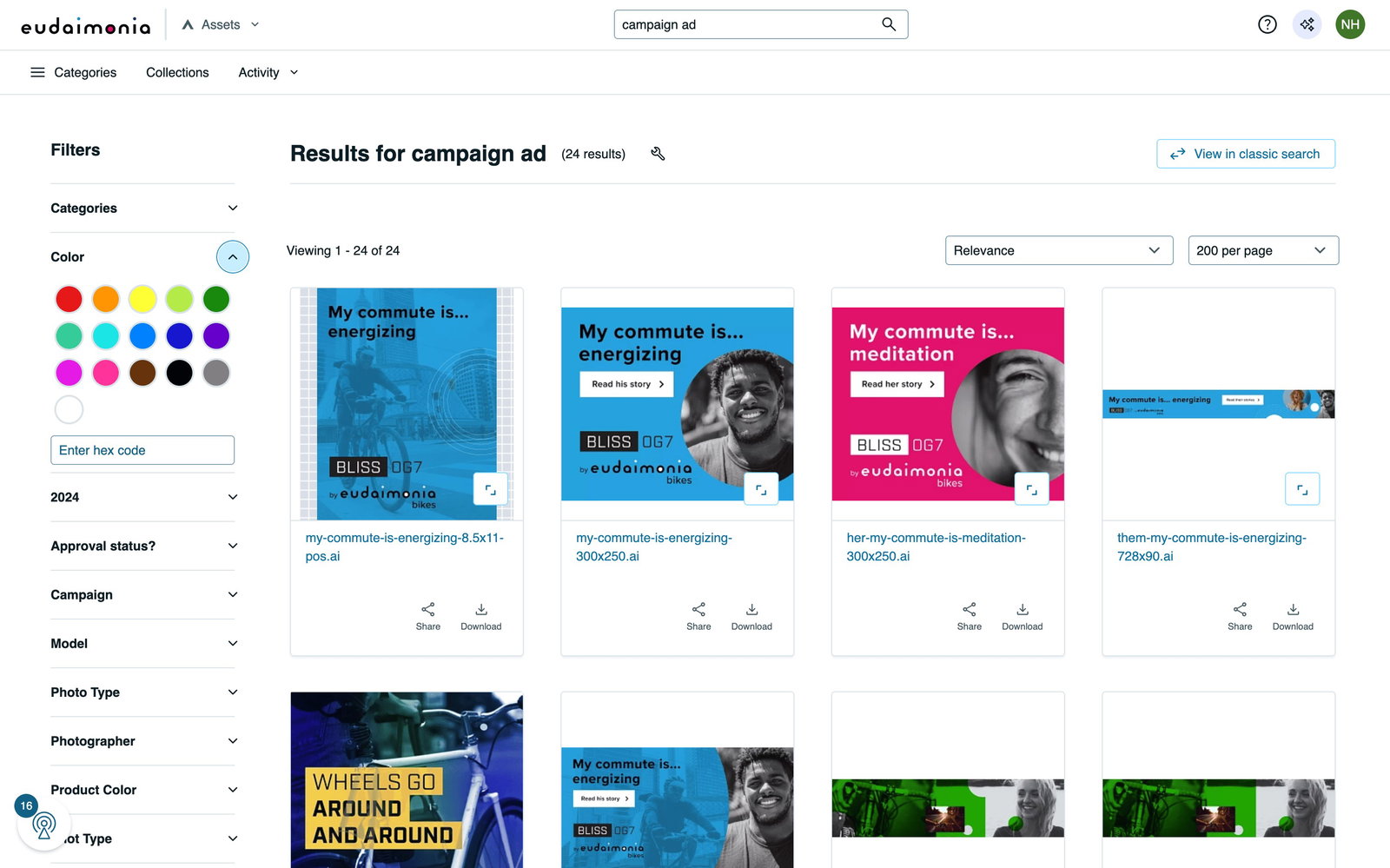
Built for security and governance, Acquia DAM features SOC 2 Type II certification, ISO 27001 compliance, GDPR readiness, and AES-256 encryption across all data transfers. Its flexible deployment allows organizations to configure portals, metadata schemas, and approval workflows for brand governance. Scalable APIs enable advanced automation, ensuring adaptability for complex enterprise architectures.
Pricing
Acquia DAM (formerly Widen Collective) uses a custom, enterprise-level pricing model that is not publicly listed on its website. While its pricing details can be discussed during a consultation, it offers custom plans tailored to customers’ specific needs.
What Works And What Doesn’t
| Pros | Cons |
| Customizable metadata schemas with automated mapping and API-based imports | Initial configuration can be time-intensive |
| Bi-directional integration with CMS, PIM, and CRM systems | Requires technical oversight to manage API and integration workflows |
| Advanced governance controls like role-based access, version control, and detailed audit trails | Expensive for small teams |
Our Final Take
Acquia DAM is best suited for large enterprises and organizations that manage multi-brand content ecosystems and require scalability, security, and deep integration. However, it may not be ideal for small businesses due to its complexity. However, for enterprise-level governance, it stands out in 2026.
Google Workspace: Best Value
Google Workspace remains on our 2026 list because it is widely used and can serve as a lightweight digital asset management option for many businesses. Google Drive, Shared Drives, and built-in search make it possible for teams working in different locations to store and share assets safely. Google Workspace combines accessibility with enterprise-level security and compliance. It has more than 3 billion users and is used in more than 190 countries. That is more than 35% of the total world population.
Why We Chose Google Workspace In 2026
Google Workspace stands out because it allows anyone, anywhere in the world, to use it, making cloud-based teamwork easy. AI-powered search, version history, and real-time co-editing are among the features that make it easy for marketing and creative teams to manage and update digital assets. It is highly flexible for cross-platform processes, integrating with Google Cloud services and thousands of third-party apps via the AppSheet and Drive APIs.
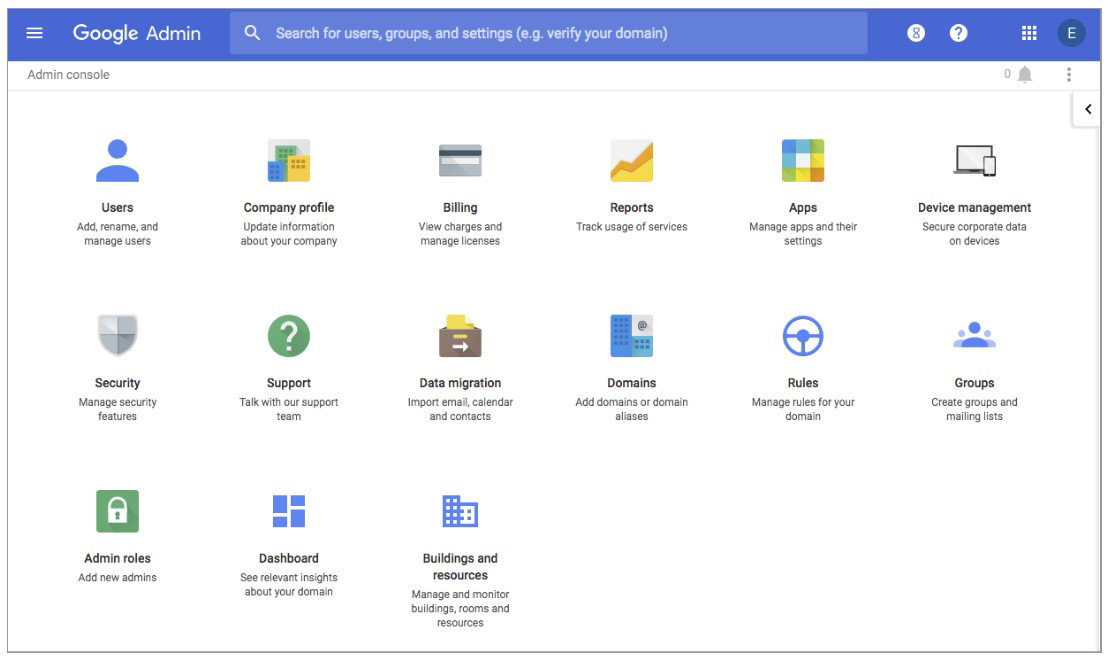
Technically, Google Workspace provides unified asset management through Google Drive and Shared Drives. It does this by controlling who can view what data, how it is classified, and tracking activity. ISO 27001, ISO 27017, ISO 27018, SOC 2 Type II, and FedRAMP Moderate approvals are all part of security compliance. AES-256 encryption protects data in transit and at rest, and advanced admin rules let you control who can view what and how it is shared.
Pricing
Google Workspace offers four structured plans. Starter at $7 per user/month, Standard at $14, Plus at $22, and Enterprise Plus at $35, each billed annually, providing flexible scalability for businesses of different sizes. A 14-day free trial is also available for teams to explore its collaboration tools and storage features before committing.
What Works And What Doesn’t
| Pros | Cons |
| AI-powered universal search and metadata indexing | Lacks native DAM-specific features like asset lifecycle workflows or templating |
| Granular sharing and access controls | Limited in automating complex content approvals |
| Integration via the Drive API and AppSheet | Slow indexing and limited storage management capabilities |
Our Final Take
Google Workspace is ideal for small to mid-sized teams or enterprises already in the Google Cloud ecosystem that need efficient, secure asset collaboration rather than full-scale DAM functionality. It is less suited for organizations requiring dedicated asset governance, but as a hybrid productivity-DAM solution, it remains a reliable choice for 2026.
Top 5 Digital Asset Management Software Comparison
P.S.: Always remember to visit the vendor’s site for the latest information!
| Criteria |  |
 |
 |
 |
 |
| Starting Price | N/A | N/A | N/A | N/A | $7/user/month |
| Avg. User Rating | 4.5 | 4.3 | 4.6 | 4.4 | 4.7 |
| Trial Period / Demo | 14-Day Free Trial | Free Demo | 7-Day Free Trial | Free Demo | 14-Day Free Trial |
| Key Features | Automated workflows, dynamic templates, and AI tagging | Unified content + DAM, AI metadata, and workflow automation | AI visual search, facial recognition, and metadata tagging | Metadata-driven taxonomy, AI tagging, and audit trails | AI-powered search, shared drives, and version control |
| Integrations | Adobe Creative Cloud, Salesforce, Slack, and more | Microsoft Office, Google Workspace, Adobe Creative Cloud, and more | Adobe Creative Cloud, Slack, WordPress, and more | Acquia CMS, Salesforce, Adobe, and more | Google ecosystem, along with thousands of third-party apps |
Conclusion
There is a clear change toward automation, scalability, and security-driven innovation in the DAM landscape of 2026. Each platform, from well-known ones like Bynder and Canto to corporate ecosystems like Sitecore Content Hub and Acquia DAM, offers distinct benefits for businesses. Meanwhile, Google Workspace remains an affordable option for teams seeking to easily organize their assets within a familiar productivity suite.
Ultimately, the right choice depends on factors such as size, integration requirements, and governance priorities. Large enterprises may benefit most from Acquia’s depth of integration or Sitecore’s unified ecosystem, while mid-sized teams may prefer the usability of Bynder or Canto. For smaller teams that prioritize collaboration over complexity, Google Workspace remains an appealing entry point to structured digital asset management in 2026.
So, what are you waiting for? Start managing your digital assets already!
Frequently Asked Questions
What Are The Top 5 Digital Asset Management Software Of 2026?
The top five DAM software for 2026 are Bynder, Sitecore Content Hub, Canto, Acquia DAM, and Google Workspace. Each stands out for scalability, automation, and integration, serving diverse business needs from enterprise governance to accessible cloud-based asset management.
What Are The Features Of Digital Asset Management Software?
Modern DAM software offers centralized asset storage, metadata tagging, AI-powered search, workflow automation, version control, and security compliance (ISO, SOC 2, GDPR). These tools enhance collaboration, ensure brand consistency, and simplify the distribution of large-scale content across digital channels.
What Is The Best Digital Asset Management Software Of 2026?
The best DAM software of 2026 depends on your organization’s scale and needs. Bynder excels in brand governance, Sitecore Content Hub in enterprise unification, and Canto in usability—while Acquia DAM and Google Workspace lead in scalability and accessibility, respectively.
Wed, Dec 24, 2025

Liked what you read? That’s only the tip of the tech iceberg!
Explore our vast collection of tech articles including introductory guides, product reviews, trends and more, stay up to date with the latest news, relish thought-provoking interviews and the hottest AI blogs, and tickle your funny bone with hilarious tech memes!
Plus, get access to branded insights from industry-leading global brands through informative white papers, engaging case studies, in-depth reports, enlightening videos and exciting events and webinars.
Dive into TechDogs' treasure trove today and Know Your World of technology like never before!
Disclaimer - Reference to any specific product, software or entity does not constitute an endorsement or recommendation by TechDogs nor should any data or content published be relied upon. The views expressed by TechDogs' members and guests are their own and their appearance on our site does not imply an endorsement of them or any entity they represent. Views and opinions expressed by TechDogs' Authors are those of the Authors and do not necessarily reflect the view of TechDogs or any of its officials. While we aim to provide valuable and helpful information, some content on TechDogs' site may not have been thoroughly reviewed for every detail or aspect. We encourage users to verify any information independently where necessary.
Loading comments...