
Content Management
Top 5 Content Management Systems Of 2026
Share
TL;DR
Modern content management systems empower users to build and maintain professional websites without requiring extensive technical coding knowledge.
-
Shopify: Offers a powerful environment that fuses commerce with content for scalable online stores.
-
Contentful: Provides an API-first headless architecture designed for seamless multi-channel content delivery.
-
WordPress.com: Delivers managed hosting and an AI-powered builder with exceptional customer support.
-
Sanity Studio: Features schema-as-code flexibility and real-time collaboration for highly customized workflows.
-
Wix: Enables a superior user experience through an intuitive drag-and-drop visual design interface.
Introduction
Remember the nostalgic feeling of prepping your school books and carefully covering them during summer vacation? You would place colorful stickers on every notebook and write subject names clearly so you could find exactly what you needed at a moment's glance. Some of us even went a step further by compartmentalizing a single notebook into sections for different subjects to keep our notes organized and efficient.
Just as those childhood strategies helped us navigate a busy school year, modern businesses face a similar hurdle when managing an explosion of website content, media files, and digital documents. Relying on manual organization is no longer sustainable in a digital landscape that moves at lightning speed. Content Management Systems serve as the digital evolution of those labeled notebooks, providing a streamlined way to handle complex web architectures without needing deep technical expertise. These platforms allow anyone to build and publish professional pages while keeping every digital asset in its proper place. Explore these Five Content Management Systems to find the perfect fit for your organization's digital strategy.
What Is A Content Management System?
A CMS, or Content Management System, is software that allows you to build, store, manage, and publish web pages that host content, fitting the content management system definition perfectly.
With a CMS, you don’t need extensive coding knowledge to build and maintain a professional-looking website. It offers user-friendly interfaces that let you add, edit, and organize content without technical expertise.
The best content management systems offer customizable templates and plugins to enhance functionality and design. Whether you’re a small business owner, a blogger, or someone looking to establish an online presence, CMS solutions can help you achieve your goals efficiently and affordably.
This year, we have compiled a list of the top 5 Content Management Systems of 2026, along with their providers, benefits, best-rated features, and more.
So, let’s get started, shall we?
Top 5 Content Management Systems Of 2026
A Content Management System brings impactful advantages for both individuals and businesses.
For individuals, it provides an easy way to create and manage a personal or portfolio website with customizable templates and easy-to-use tools.
For businesses, a CMS streamlines website management while making easy and quick adjustments and scaling whenever needed.
It also offers powerful features like Search Engine Optimization (SEO), security enhancements, and integration with various plugins, saving time and reducing costs.
Here are the top 5 Content Management Systems of 2026, in no particular order.
 |
 |
 |
 |
 |
Shopify: Best For Scalability
Shopify remains a dominant and evolving force in the CMS and commerce space even this year. As of 2025, the platform has over 5 million customers globally and has processed more than $292.3 billion in transactions. Shopify’s app ecosystem now includes over 10,000 apps to extend commerce, marketing, and content capabilities. In 2025, Shopify was named Recharge Partner of the Year 2025 by Get Recharge for its evolving collaboration and impact in subscription commerce. It was also honored with the D-Award 2025, Supplier of the Year (2025) at D-Congress.
Why We Chose Shopify In 2026
Shopify’s enduring strength lies in its seamless fusion of content + commerce. Unlike pure CMS platforms, Shopify offers a unified environment where you can manage product catalogs, content, blog posts, landing pages, and storefronts all in one place. Its vast app marketplace and third-party integrations offer greater extension and flexibility than many all-in-one CMSes.
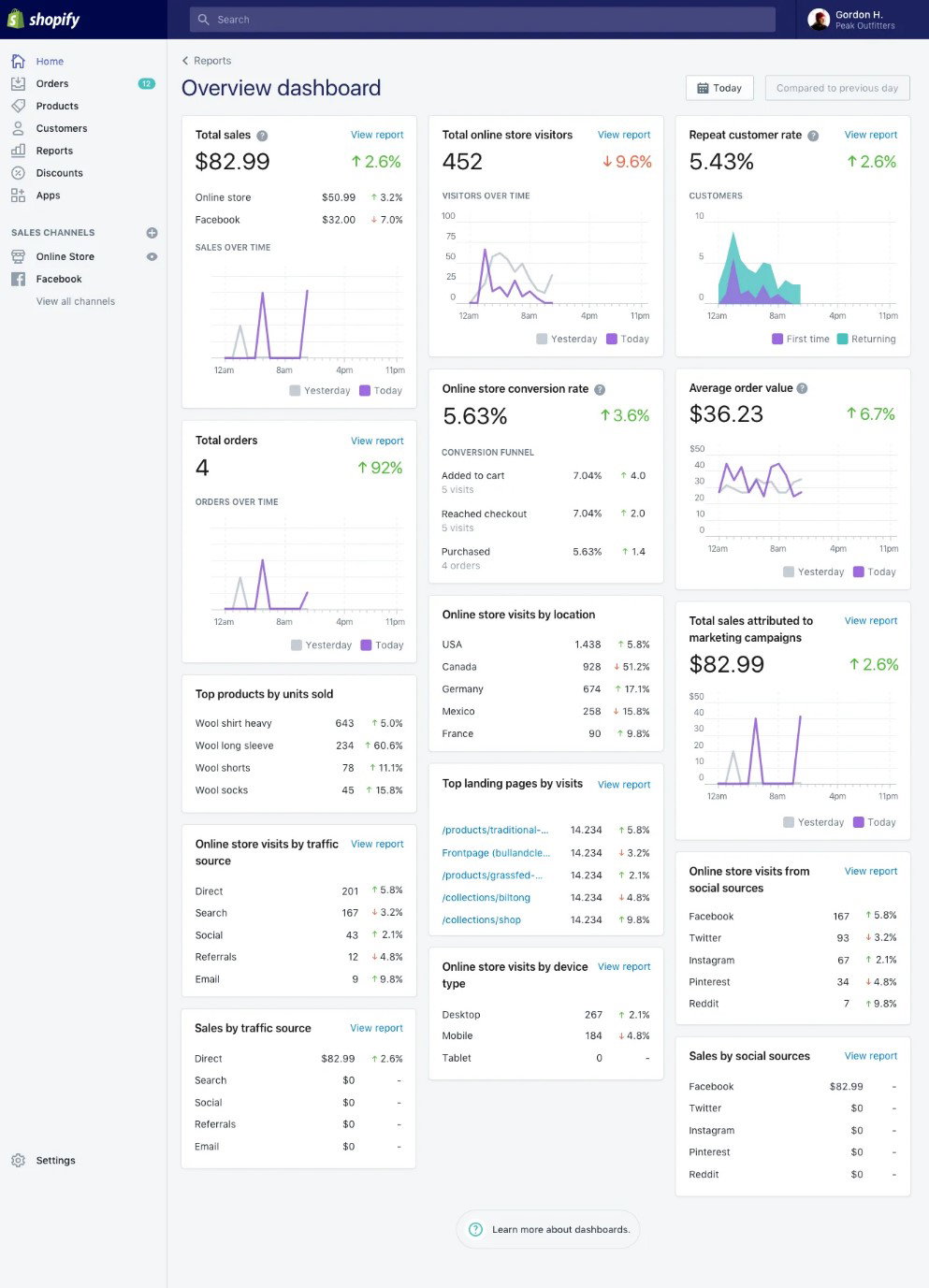
Additionally, Shopify provides fully managed hosting, built-in SSL, global CDN, and strong uptime SLAs. It supports modern architecture via its Hydrogen + Oxygen stack for headless storefronts. It also offers automation tools, such as Flow, to streamline repetitive tasks (inventory tagging, order workflows) without manual intervention. For security and compliance, Shopify maintains PCI compliance, role-based access controls, and built-in security updates.
Pricing
Shopify offers flexible pricing starting with the Starter plan at about $5/month for social sellers and the Basic plan at $39/month for full online stores. Growing businesses can opt for the Grow plan ($105/month) or the Advanced plan ($399/month), while enterprises use Shopify Plus, starting around $2,300/month. Additionally, Shopify also offers a 3-day free trial and a $1/month introductory offer for new users.
What Works And What Doesn’t
| Pros | Cons |
| Deep integration of commerce + content | Transaction fees if not using Shopify Payments |
| Huge ecosystem of apps and themes | Customization beyond themes often requires developer skill |
| Scalable for small to large stores | Some content/blogging features are less advanced |
Our Final Take
Shopify remains a top pick in 2026 for anyone who wants a robust content management system. It’s ideal for brands, e-commerce stores, and hybrid content and product sites. However, if your focus is purely on editorial content, complex relationships, or deep custom content logic (without commerce), a dedicated CMS might serve you better.
Contentful: Best For Integration
Contentful is a new entrant on our list that has earned industry recognition for both its partner ecosystem and support operations. In 2025, Contentful won three Stevie Awards, including Contact Centre of the Year, Customer Service Leader of the Year, and Customer Service Manager of the Year. Also, Contentful was named a finalist in the Digiday Technology Awards 2025 (for personalization/content tech) alongside other platforms.
Why We Chose Contentful In 2026
Contentful stands out as a mature, API-first headless CMS optimized for multi-channel content delivery, composable architectures, and integration flexibility. Its balance of developer tooling and editor usability puts it ahead of many legacy or monolithic CMS alternatives.
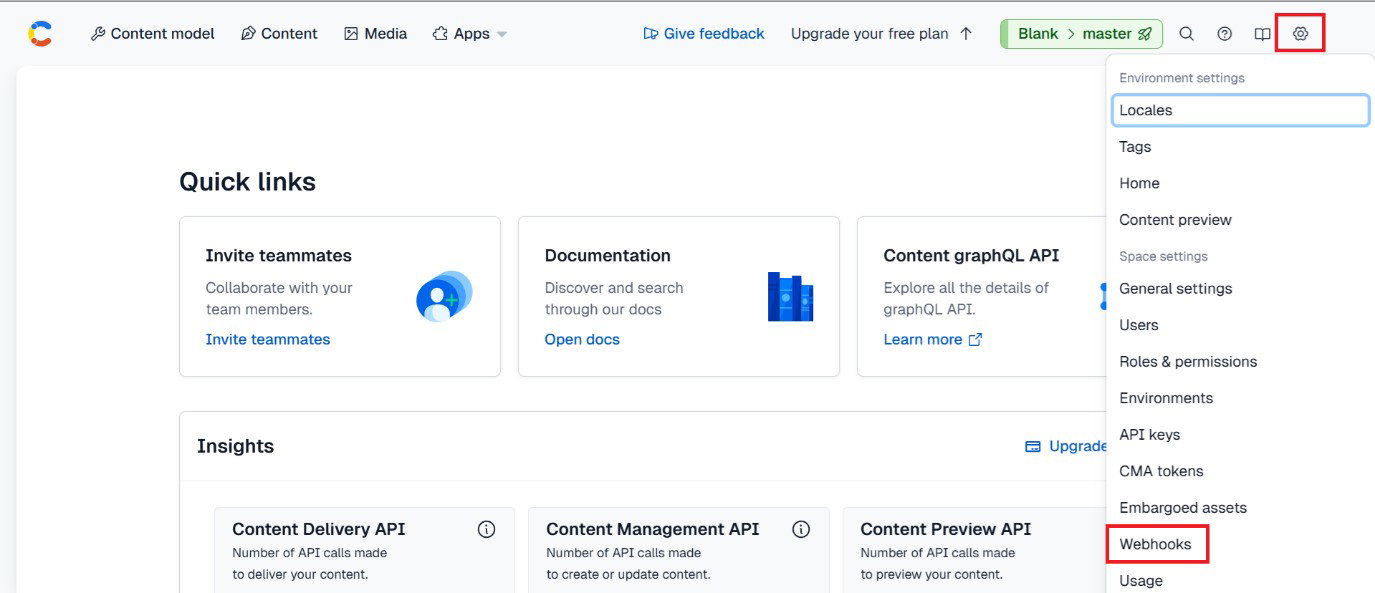
It offers REST/GraphQL APIs, localization, versioning, webhooks, and workflow support. Contentful also integrates AI-driven features, such as AI Actions and content suggestions, to enhance editorial productivity. With strong SLAs, role-based controls, and enterprise governance, it is suitable for large, distributed teams.
Pricing
Contentful offers a free tier with 100,000 API calls and 50 GB of bandwidth, and paid plans starting around $300/month at the “Team/Basic” level. More advanced, enterprise-grade plans are custom-priced based on API usage, locales, support, and compliance needs.
What Works And What Doesn’t
| Pros | Cons |
| Strong developer and API ecosystem | Can become expensive at scale |
| Built-in AI and automation features | Editorial UI is less intuitive for non-technical users initially |
| Enterprise governance and flexibility | Free tiers are heavily limited, not viable for commercial use |
Our Final Take
Contentful is ideal for organizations that need a flexible, scalable content backbone powering multiple frontends (web, mobile, IoT). For smaller sites or teams wanting out-of-the-box editing simplicity, the learning curve and cost may be hurdles. However, for medium- to large-scale digital operations that demand future readiness, Contentful is a compelling choice in 2026.
WordPress.com: Best Customer Support
WordPress.com continues to enjoy industry recognition in 2026. WordPress.com recently launched an AI-powered website builder (in early access) that can auto-generate layouts, content, and images from prompts. It was named a 2025 Data Quadrant Champion in the Digital Experience, Midmarket category by SoftwareReviews. Additionally, nearly 30% of Webby Award–nominated sites were built on WordPress, underscoring the platform’s impact on web design and digital innovation.
Why We Chose WordPress.com In 2026
WordPress.com offers a unique balance: the power and extensibility of WordPress plus managed hosting, security, and a curated editing experience. It’s ideal when you want CMS flexibility without worrying about infrastructure.
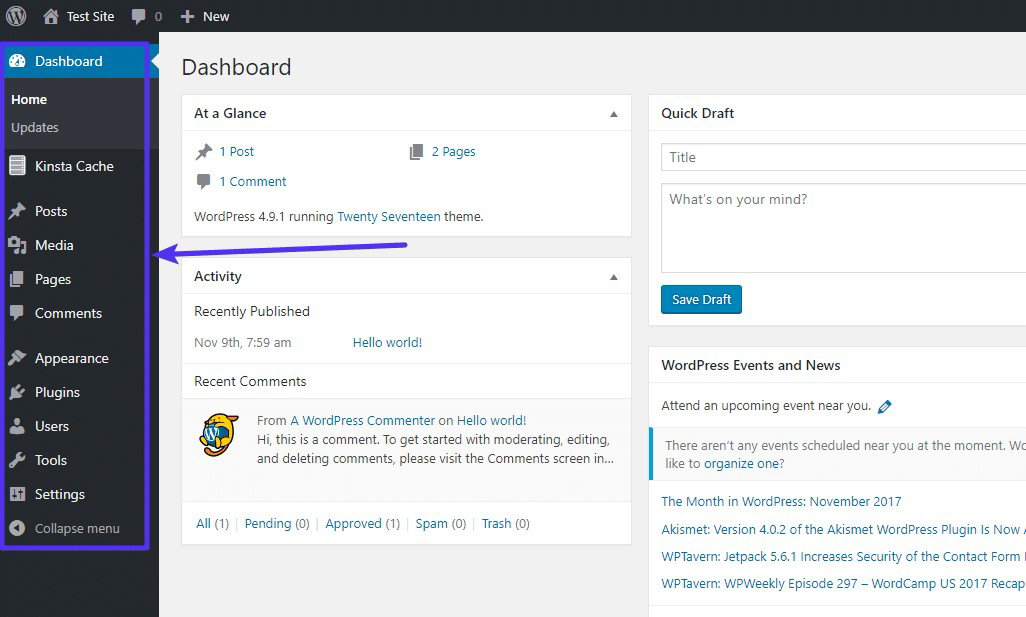
You get built-in themes, automatic updates, revision history, social sharing tools, SEO features, and audience tools (e.g., paid content gating). The platform also includes security protection (brute-force safeguards and spam filtering) and handles hosting and backups behind the scenes.
Pricing
WordPress.com has a free plan with limitations. Paid tiers begin at Personal at $4/month, then Premium at $8/month, Business at $25/month, and Commerce at $45/month. It also comes with Enterprise/Custom pricing for high-scale needs.
What Works And What Doesn’t
| Pros | Cons |
| Hosting, security, and updates handled automatically | Less backend/server control compared to self-hosted WordPress |
| Seamless access to themes, SEO tools, and monetization options | Many advanced customizations and plugins are only available in higher plans |
| AI website builder for fast prototyping | Limited flexibility for developers needing code-level customization |
Our Final Take
WordPress.com is great for content creators, bloggers, and small-to-medium businesses who want to leverage WordPress’s ecosystem without managing infrastructure. If your site requires extreme flexibility, custom backend logic, or very high scalability, a headless CMS or a self-hosted WordPress setup can offer flexibility.
Topics for more insights
Sanity Studio: Best Customization
Sanity Studio, by Sanity, has earned one of the top spots in our list, with a strong recognition in developer communities and review platforms, ranking 4.7/5 on G2 for its headless CMS capabilities. It’s also frequently mentioned in 2025 headless‐CMS roundups for its generous free tier and real-time collaboration capabilities.
Why We Chose Sanity Studio In 2026
Sanity Studio excels in providing schema-as-code flexibility, live collaboration, and a customizable content studio. Its structure supports powerful editorial workflows without constraining front-end technology choices.
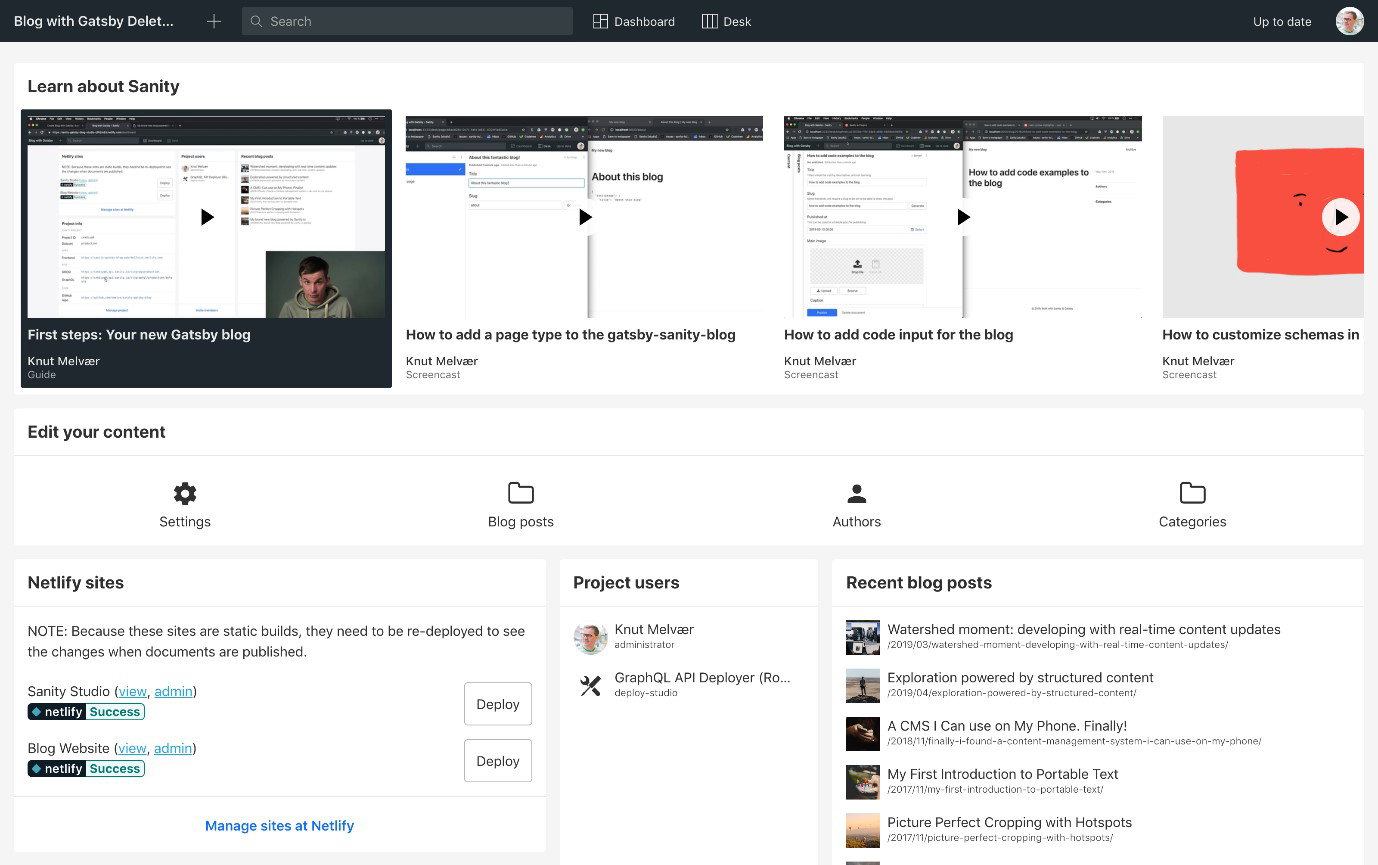
It offers a real-time “Content Lake,” GROQ and GraphQL querying, a customizable Studio (built with React), plugin extensibility, and strong integration support for front-end frameworks. Role-based access control, versioning, and overage management round out its governance and usage safety.
Pricing
Sanity Studio offers a free plan (up to 20 users, 2 public datasets) and a Growth tier at $15 per user/month, with additional features such as private datasets, comments/tasks, and AI Assist. For enterprise use cases, custom pricing is available for advanced quotas, SLAs, SSO, and support.
What Works And What Doesn’t
| Pros | Cons |
| Real-time collaboration and live editing | Requires developer setup; initial learning curve |
| Highly flexible schema + Studio customization | Costs and overage charges can escalate with scale |
| Rich query language (GROQ), plugin extensibility | Free plan limitations (datasets, quotas) may restrict production use |
Our Final Take
Sanity Studio is an excellent match for projects that need high flexibility, custom workflows, and real-time editorial capabilities. If your team includes developers and you expect to scale or integrate deeply, Sanity is a compelling choice for 2026.
Wix: Best User Experience (UX)
Wix continues to earn industry recognition in our 2026 list. Last year, it was named a top all-in-one website builder by Website Builder Expert, citing its ease of use, design flexibility, and integrated features. Along with that, Wix was named “Best overall website builder” by CNET based on usability, design flexibility, and integrated features.
Why We Chose Wix In 2026
Wix is ideal for users seeking a highly visual, drag-and-drop website builder with minimal technical overhead. Its strength lies in combining design freedom, built-in infrastructure, and a broad app ecosystem for everyday sites, small businesses, and commerce.
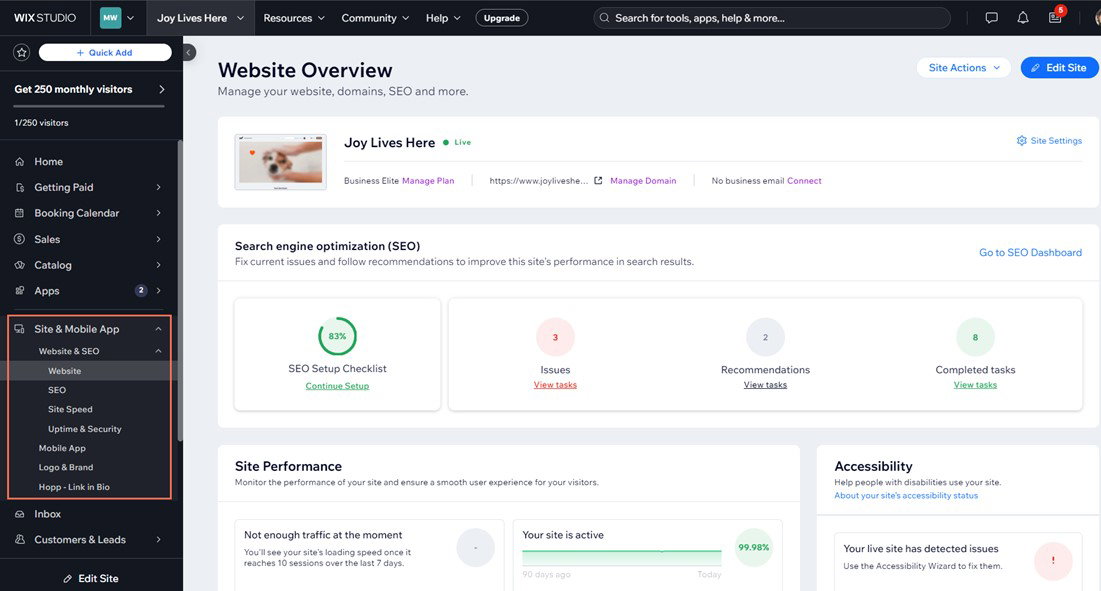
Every Wix plan includes hosting, SSL, security monitoring, and templates. The platform also embeds AI tools for image and content generation, as well as marketing and SEO features. For e-commerce, higher plans unlock store capabilities, inventory, dropshipping, and analytics.
Pricing
Wix offers a free plan with Wix branding. Premium tiers, billed annually, range roughly from $17/month (Light), $29/month (Core), $39/month (Business), to $159/month (Business Elite). It also offers custom pricing based on enterprise requirements.
What Works And What Doesn’t
| Pros | Cons |
| Intuitive visual editor, fast to launch | Limited backend customization and code access |
| All-in-one platform (hosting, security, templates) | Pricing and features scale steeply as needs grow |
| Strong app ecosystem and built-in tools | Migration away from Wix can be difficult |
Our Final Take
Wix is a powerful choice for creators, small businesses, portfolios, or those wanting to go live quickly with strong design and modest commerce needs. It provides a compelling blend of ease, features, and design control that caters to a wide range of use cases.
Top 5 Content Management System Comparison
P.S.: Always remember to visit the vendor’s site for the latest information!
| Criteria |  |
 |
 |
 |
 |
| Starting Price | $5/month | Free | Free | Free | Free |
| Avg. User Rating | 4.6 | 4.4 | 4.5 | 4.7 | 4.8 |
| Trial Period/Demo | 3-Day Free Trial | 30-Day Free Trial | 14-Day Free Trial | 30-Day Free Trial | 14-Day Free Trial |
| Key Features | Unified content + commerce, AI tools, and PCI compliance | Headless API CMS, AI Actions, and enterprise governance | Managed WordPress hosting, AI site builder, and plugin/theme support | Real-time collaboration, schema-as-code, and customizable Studio | Drag-and-drop builder, AI design tools, and SEO automation |
| Integrations | 10,000+ apps, ERP Integration, payment gateways | APIs, SDKs, CI/CD, 3rd-party frameworks, and more | Jetpack, Stripe, Mailchimp, and more | Vercel, Netlify, and more | Google Analytics, Shopify, Payment Gateways, and more |
Conclusion
The CMS landscape in 2026 reflects both maturity and innovation. Shopify continues to dominate where content and commerce converge, while Contentful leads in enterprise headless flexibility. WordPress.com remains the most accessible platform for creators and publishers seeking a balance of ease and power. Sanity Studio stands out among developers for its real-time collaboration and schema-driven flexibility, while Wix stands out for its unmatched simplicity and visual design experience.
So, choosing the right CMS depends on your priorities: scalability, customization, collaboration, or launch speed. Businesses aiming for an omnichannel architecture will gravitate toward Contentful or Sanity, while small- to midsize teams may find Shopify, WordPress.com, or Wix more practical.
So, have you launched your website yet? Happy shopping!
Frequently Asked Questions
What Are The Top 5 Content Management Systems Of 2026?
They are Shopify, Contentful, WordPress.com, Sanity Studio, and Wix—platforms chosen for their strengths in commerce integration, headless architecture, managed publishing, real-time workflows, and design flexibility, respectively.
What Are The Features of Content Management Systems?
Common features include content creation and editing tools, digital asset management, version control and workflows, role-based permissions, analytics, multisite or multichannel publishing, SEO tools, and integrations with CRM, e-commerce, and other systems.
What's the most popular CMS system currently?
WordPress leads with over 60% of the CMS market share, powering around 43-45% of all websites. It’s expected to maintain dominance through 2026 thanks to its ecosystem, flexibility, and large user/developer base.
Tue, Dec 16, 2025

Liked what you read? That’s only the tip of the tech iceberg!
Explore our vast collection of tech articles including introductory guides, product reviews, trends and more, stay up to date with the latest news, relish thought-provoking interviews and the hottest AI blogs, and tickle your funny bone with hilarious tech memes!
Plus, get access to branded insights from industry-leading global brands through informative white papers, engaging case studies, in-depth reports, enlightening videos and exciting events and webinars.
Dive into TechDogs' treasure trove today and Know Your World of technology like never before!
Disclaimer - Reference to any specific product, software or entity does not constitute an endorsement or recommendation by TechDogs nor should any data or content published be relied upon. The views expressed by TechDogs' members and guests are their own and their appearance on our site does not imply an endorsement of them or any entity they represent. Views and opinions expressed by TechDogs' Authors are those of the Authors and do not necessarily reflect the view of TechDogs or any of its officials. While we aim to provide valuable and helpful information, some content on TechDogs' site may not have been thoroughly reviewed for every detail or aspect. We encourage users to verify any information independently where necessary.
Loading comments...