Financial Technology
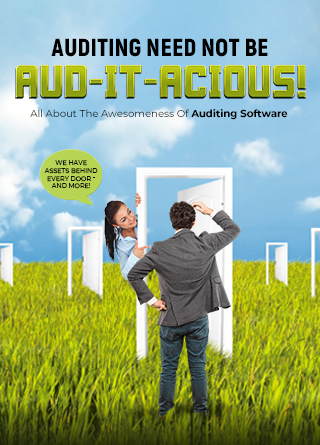
All About The Awesomeness Of Auditing Software
Share
Overview
Wouldn't they wish for a digital assistant to unravel operational mysteries with a keen eye for detail and help ensure compliance and accuracy? Maybe a detective? Well, how about your personal Sherlock Holmes?
Auditing Software is like a modern-day detective by your side, making sure your financial records are as clean as Sherlock’s coat and as secure as Fort Knox. It solves your accounting puzzles with precision and brings peace of mind to your business operations.
It is Auditing Software. Just like Sherlock, it shows businesses what they need to know by solving financial mysteries.
The game is afoot - read on!
-01.png.aspx "TechDogs-\"All About The Awesomeness Of Auditing Software\"- Auditing Need Not Be Aud-It-Acious!")
While modern businesses are operating in a fast-paced environment, they are constantly faced with the challenges of maintaining compliance, managing risks and ensuring operational efficiency. They often find themselves puzzled in a web of complex processes. Relatable?
One of the most complex troubling processes for businesses is auditing. A word that strikes fear into the hearts of many professionals and justifiably so! Auditing gets as complex as the mysteries from Sherlock Holmes.
However, just as Sherlock Holmes unraveled mysteries with his acute observations, Auditing Software can unravel your operational complexities and safeguard the integrity of industry standards. Auditing Software is that detective who is pretty good at their job and knows very well that every task, every interaction, no matter how seemingly banal, has the potential to contain issues.
Auditing Software (our own digital Sherlock Holmes!) examines the records to help you comply with regulations and standards, resolve discrepancies and ensure proper tracking of all assets.
Get your notepad ready because there are some observations you need to note down!
What Is Auditing Software?
Auditing as a concept is more than tracking down numbers on a spreadsheet. With more complex business workflows and more processes on board, along with compliances, it gets increasingly challenging to audit the business assets.
Yet, Auditing Software is designed to facilitate and streamline the entire audit process. It provides tools and features that enable auditors to plan, manage, execute and report on audits effectively. Additionally, it automates various tasks, reduces manual effort, improves accuracy and enhances the overall efficiency of the audit process.
Compliance professionals, internal or external auditors or operation managers can use Auditing Software to schedule regular audits and analyze the results. In manufacturing or distribution verticals, employees can utilize the software to implement audit procedures and submit comprehensive reports to their managers.
Fun Fact: Did you know that the first book of Sherlock Holmes was published in 1887 with the title, ‘A Study in Scarlet’ by Arthur Conan Doyle? We bet Arthur wouldn’t have known that his fictional character, Sherlock, would stay with the rest of the world for centuries.
History seems to be calling. Want to go back in time? Let’s visit the 1900s and discuss how Auditing Software came into the picture in the first place.
.gif.aspx "TechDogs-\"What Is Auditing Software?\"-\"A GIF From A TV Show Sherlock Holmes - Fascinating\"")
The Brief History Of Auditing Software
The history of Auditing Software spans several decades, with significant milestones and advancements along the way. It is time to go back in time!
-
1970s: Data Entry & Spreadsheets
The advent of computer technology set the stage for the development of early Auditing Software. Simple programs were created to automate basic tasks like data entry and reconciliation. Spreadsheet applications like Lotus 1-2-3 became popular tools for financial analysis and auditing procedures.
-
1990s: Risk Assessment & Fraud Detection
Auditing took a leap forward with the emergence of specialized tools designed. These offered features like data sampling, risk assessment and fraud detection, helping auditors conduct more thorough and efficient examinations.
-
2000s: Integrated Applications
The 2000s witnessed a significant shift as audit solutions transitioned from standalone applications to integrated enterprise systems. These systems combined auditing functionalities with other business processes, providing seamless integration and data accuracy.
-
2010s: Big Data & Analytics
The era of big data and analytics transformed Auditing Software. Advanced data analytics tools became integral components, enabling auditors to analyze vast volumes of financial data, identify patterns and detect anomalies more effectively.
-
2020s: Artificial Intelligence (AI)/Machine Learning (ML), Cyber Security
Audit software continued to evolve in response to changing regulations, cybersecurity concerns and the increasing complexity of financial transactions. Furthermore, cloud-based solutions gained traction, offering scalability, accessibility and enhanced collaboration among audit teams. Naturally, AI/ML was integrated within these solutions for predictive capabilities and smarter insights.
Remember how Sherlock became smarter and more effective over time? Auditing Software also got streamlined over time and became what we know today.
However, you might be wondering how it works – scroll on!
How Does Auditing Software Work?
Auditing Software involves basic steps, which are discussed below.
-
Audit Preparations
First and foremost, defining the objective of auditing is important. Scheduling the date and time for the audit and collaborating with auditors and auditees is made simple using the tool.
-
Data Collection
Collecting data from multiple sources, such as financial systems, databases and other relevant repositories.
-
Workflow Management
Conduct audit processes with predefined workflows. Assign tasks to team members and ensure the audit is conducted systematically and consistently.
-
Audit Testing
Conduct audit tests and evaluate the procedures such as documentation, recording observations and recommending solutions.
-
Data Analysis
Automate data analytics and identify patterns, anomalies and trends in the audit data to derive meaningful insights and draw conclusions.
-
Reporting
Generate comprehensive audit reports, executive summaries and detailed findings and share them with stakeholders, such as management, auditees or regulatory bodies.
-
Follow-up
Monitor the status of corrective actions, assign responsibilities and send reminders for follow-up tasks. Ensures accountability and tracks the resolution of identified issues.
Quite a list of tasks, isn’t it? However, choosing the correct type of Auditing Software based on your enterprise and its requirements is critical.
Keep on scrolling to learn the types of Auditing Software, because Sherlock once said, "It is better to learn wisdom late than never to learn it at all.”
What Are The Types Of Auditing Software?
There are various types of Auditing Software in the market serving facilities with different industry needs. They are mentioned below.
-
Standalone Audit Software
Designed for small to medium-sized businesses, standalone audit software provides essential audit management functionalities.
-
Integrated GRC Software
Integrated Governance, Risk and Compliance (GRC) software combines audit management with comprehensive governance, risk and compliance functionalities.
-
Cloud-based Audit Software
Cloud-based audit software is hosted on remote servers, offering advantages such as flexibility, scalability and remote accessibility.
-
Industry-specific Audit Software
Industry-specific software is tailored to meet the unique compliance requirements of specific sectors such as healthcare, finance or manufacturing.
This should help you choose the type of audit software for your enterprise. If you are still wondering about the benefits Auditing Software brings to the enterprise, let’s discuss them because as Sherlock Holmes once said, "Education never ends. It is a series of lessons, with the greatest for the last."
.gif.aspx "TechDogs-\"What Are The Types Of Auditing Software?\"-\"A GIF From A TV Show Sherlock Holmes - That Is Important To Me\"")
What Are The Benefits Of Auditing Software?
Apart from giving peace of mind to business leaders and auditors, audit management software offers a variety of benefits. The primary benefits are as follows:
-
Standardize Auditing
With Auditing Software on board, you can plan and standardize any audits. You can make audit checklist templates, set evaluation criteria, conduct uniform tracking processes, etc.
-
Automation
Automating internal auditing improves quality and delivers more accurate results. The automation offers documentation of evidence and auditing reports which save time and let auditors perform other important tasks.
-
Analysis & Reporting
Customize and generate reports within a few clicks and represent compelling visualizations to the related stakeholders. This lets them interpret the audits easily and helps them make better decisions. #DataDriven
-
Risk Management
The better auditors understand the risks involved, the better and more efficient the auditing process can be. Auditing Software lets you identify risks, assess risks, understand the impacts and mitigate detected risks.
-
Document Management
Proving specific access to required documents increases security and ensures better regulatory compliance. This lets you track the workflow trail and provide auditors with detailed information about the same.
We bet even Sherlock wouldn’t be a match for Auditing Software! His character is legendary though and will be remembered for decades. There is no doubt!
Similarly, Auditing Software also holds great potential considering the evolving landscape of industries. Shall we have a look into the future of Auditing Software?
The Future Of Auditing Software
The future scope of Auditing Software is promising, driven by continuous technological advancements.
-
Automation & Efficiency
The advancement will leverage automation to streamline repetitive tasks and improve efficiency. Automated data collection, analysis and report generation will become more sophisticated, saving time and effort during audits.
-
Analytics With AI-ML
Integrating advanced ML analytics and artificial intelligence (AI) technologies will analyze vast volumes of financial data, identify patterns, detect anomalies and predict potential risks or fraud.
-
Blockchain Technology
Blockchain can provide an immutable and transparent record of financial transactions, ensuring the integrity of data and enhancing trust. Smart contracts and distributed ledger technology can automate audit processes and provide real-time verification.
Seems like we have come to the final episode of Sherlock. Let’s reveal the solve!
.gif.aspx "TechDogs-\"The Future Of Auditing Software\"-\"A GIF From A TV Show Sherlock Holmes - Wouldn't Miss This For The World!\"")
The Finale
Sherlock might have said that heroes do not exist. Still, Auditing Software is a hero for auditors and businesses as it not only saves them from all the chaos of regulations but also excels at helping them keep their houses in order. An Auditing Software prepares you for well-managed audits and complaint processes, improving overall business performance and making you an ultimate winner.
You do not need to guess if you have Auditing Software on board. Like Sherlock, you will observe, deduce and solve mysteries of your business.
As they say, “Winners don't do different things. They do things differently!”
Frequently Asked Questions
How Does Auditing Software Enhance Operational Efficiency And Compliance?
Auditing Software enhances operational efficiency and compliance by providing tools and features that streamline the audit process. It automates tasks, reduces manual effort, improves accuracy and ensures proper tracking of all assets. By scheduling regular audits, analyzing results and generating comprehensive reports, Auditing Software helps organizations maintain compliance with regulations and standards.
What Are The Benefits Of Implementing Auditing Software For Businesses?
Implementing Auditing Software offers various benefits for businesses, including standardizing audits, automating internal auditing processes, facilitating analysis and reporting, managing risks effectively and improving document management. Auditing Software helps organizations save time, ensure regulatory compliance, enhance data-driven decision-making and mitigate risks efficiently.
What Is Auditing Software?
Auditing Software refers to digital tools designed to streamline and facilitate the audit process within businesses. It enables auditors to plan, manage, execute and report on audits effectively. Additionally, Auditing Software automates various tasks, reduces manual effort, improves accuracy and enhances overall audit efficiency.
Fri, Aug 25, 2023

Enjoyed what you've read so far? Great news - there's more to explore!
Stay up to date with the latest news, a vast collection of tech articles including introductory guides, product reviews, trends and more, thought-provoking interviews, hottest AI blogs and entertaining tech memes.
Plus, get access to branded insights such as informative white papers, intriguing case studies, in-depth reports, enlightening videos and exciting events and webinars from industry-leading global brands.
Dive into TechDogs' treasure trove today and Know Your World of technology!
Disclaimer - Reference to any specific product, software or entity does not constitute an endorsement or recommendation by TechDogs nor should any data or content published be relied upon. The views expressed by TechDogs' members and guests are their own and their appearance on our site does not imply an endorsement of them or any entity they represent. Views and opinions expressed by TechDogs' Authors are those of the Authors and do not necessarily reflect the view of TechDogs or any of its officials. While we aim to provide valuable and helpful information, some content on TechDogs' site may not have been thoroughly reviewed for every detail or aspect. We encourage users to verify any information independently where necessary.
Loading comments...