|
|
|
|
Hello readers,
There was a time when technology companies stayed in their lanes.
Film studios made films. Social networks connected people. Healthcare companies built medical devices. Space companies launched rockets.
That separation is disappearing fast.
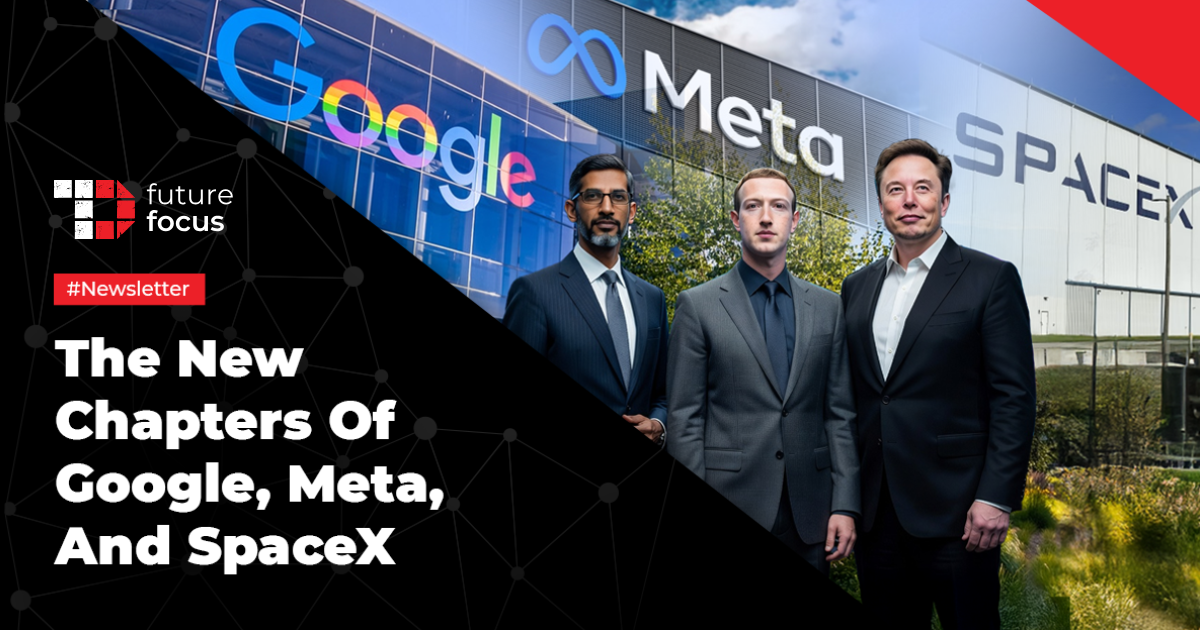
This week, Google DeepMind partnered with A24 to build AI tools for filmmakers, while Midjourney moved beyond image generation and into healthcare with a full-body ultrasound scanner. At the same time, SpaceX made a $60 billion bet on AI coding through Cursor, showing how quickly companies are expanding beyond their traditional businesses.
The ripple effects are showing up elsewhere, too. Meta is reshuffling leadership at WhatsApp, trying to rebuild employee morale amid its AI transition, while Ohio is introducing new rules for how younger users access social media.
Beyond the headlines, the conversation is getting deeper. In the latest Discover Dialogues episode, CrowdStrike's Kartik Shahani explains why security teams must rethink how they defend organizations.
A lot is happening, and the boundaries between industries are disappearing.
Let's dive in.
|
|
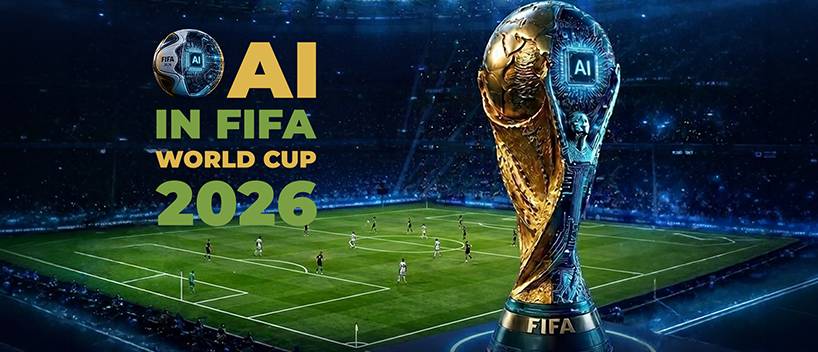
The FIFA World Cup 2026 is the most AI-powered tournament in football history, from smarter officiating and AI-driven analytics to connected stadiums and immersive fan experiences. As technology reshapes every part of the game, could this be the future of global sports?
|
|
Google DeepMind and A24 are partnering to develop AI tools for filmmaking workflows, with Google also investing in the studio. The deal is not a data-training or IP licensing arrangement, and filmmakers are expected to retain creative control. Could this make Hollywood trust AI?
|
|
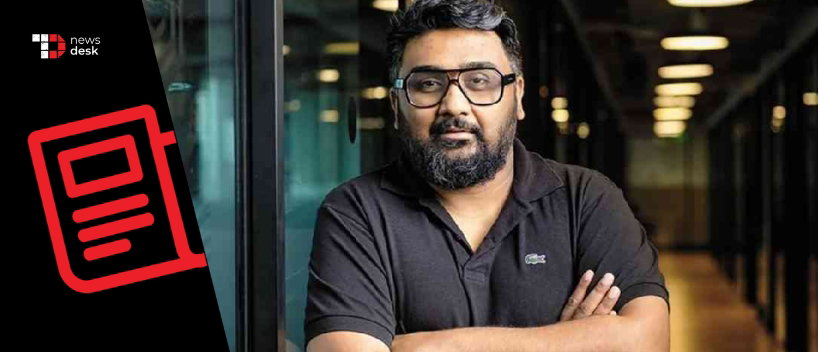
Meta is bringing CRED founder Kunal Shah into its global leadership team to lead WhatsApp as Will Cathcart steps down. The move comes alongside Meta’s investment in CRED and signals WhatsApp’s growing focus on India. What changes could come next?
|
|
|
 |
|
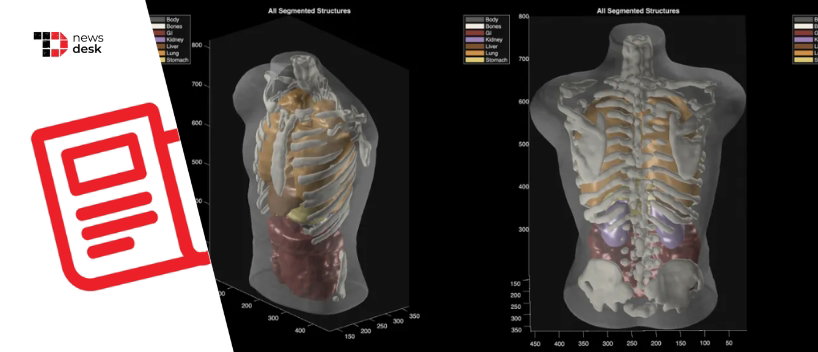
Midjourney is moving beyond AI images with a new medical division and a water-based full-body ultrasound scanner. The device promises 60-second scans, but it is not yet FDA-cleared for diagnostics. Could this be wellness innovation or a risky health-tech leap?
|
|
|
|
Meta is reportedly improving snacks, office perks, travel budgets, and manager support after layoffs and AI reassignments hurt employee morale. X is using the moment to court Meta engineers with a snack-budget joke. Can perks rebuild trust after disruption?
|
|
 |
|
|

The Oura Ring 5 packs sleep, recovery, stress, heart health, and activity tracking into a device no larger than a wedding band. With up to nine days of battery life and over 50 health metrics, can smart rings challenge smartwatches as the future of wearables?
|
|
SpaceX is acquiring Cursor parent Anysphere in a $60 billion all-stock deal just days after its IPO. The move strengthens SpaceX’s AI coding ambitions and xAI-linked products. Could developer tools become Elon Musk’s next major AI battlefield?
|
|
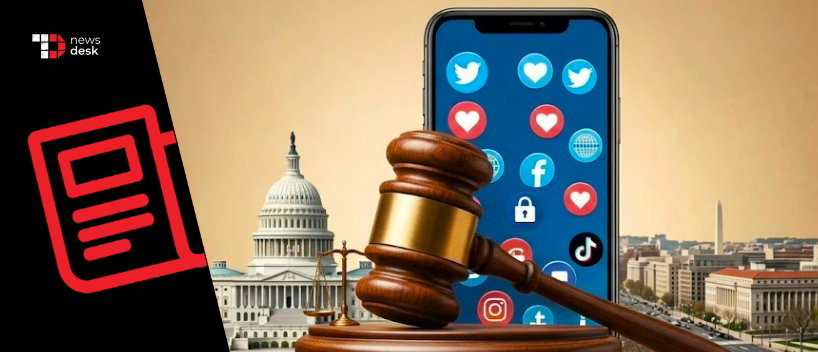
A U.S. appeals court has allowed Ohio to enforce a law requiring parental consent before users under 16 can create social media accounts. Supporters call it a child safety win, while critics warn of privacy and free speech concerns. What comes next?
|
|
|
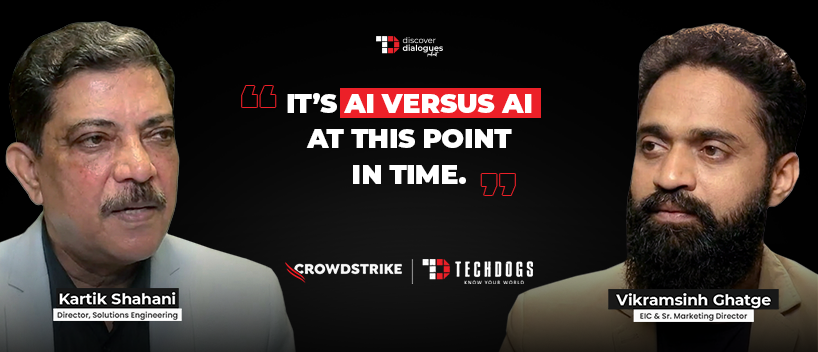 In this Discover Dialogues episode, CrowdStrike’s Kartik Shahani explains why modern cyberattacks now begin with stolen identities, not forced entry. He discusses platform-first security, AI as a teammate, and why culture matters as much as technology.
Join the conversation. |
|
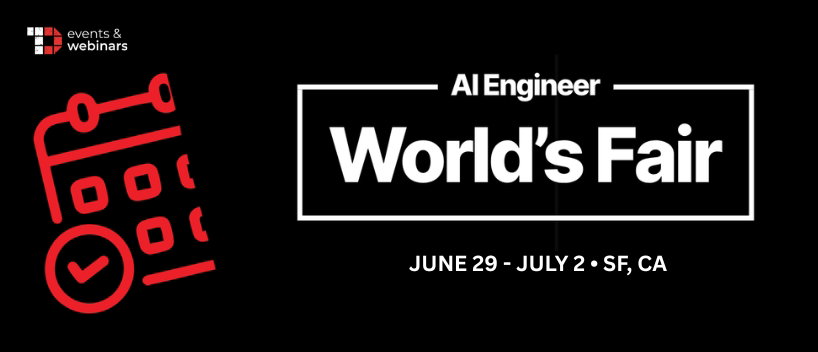
AI Engineers World’s Fair 2026 will bring AI engineers, researchers, founders, and technology leaders together to explore practical AI deployment, LLMs, agentic systems, infrastructure, and enterprise applications. The event focuses on building production-ready AI.
Register now!
|
|
|
That’s a wrap for this edition of #TDFutureFocus.
Tech isn’t slowing down, and neither are the conversations shaping it. Take a breather, stay curious, and come back ready for what’s next.
See you in the next edition.
|