|
|
|
|
“Cinema is a matter of what’s in the frame and what’s out.” — Martin Scorsese
Hello readers,
For years, cinema has been built on a simple idea: what stays in the frame and what’s out, but that is changing now.
Last week, Netflix introduced VOID AI, a system that can rewrite scenes after they’re filmed, removing objects, altering moments, and reshaping reality itself.
It’s not just Netflix.
At Canva Create 2026, Canva introduced AI 2.0, while at Adobe Summit 2026, the company emphasized that brands must now optimize for AI-driven discovery as these systems reshape how customers find and evaluate products.
Beyond product launches, the conversation is getting deeper. We have a Discover Dialogues podcast with Finastra CTO Mike Stawchansky, breaking down how banks are modernizing without risking stability. Plus, industry leaders are coming together at the New Jersey CIO Inner Circle to discuss what real AI adoption actually looks like.
A lot is happening, and it’s all connected.
Let’s dive in.
|
|
Netflix’s VOID AI can remove objects, rewrite scenes, and enhance performances without reshoots, using multiple AI systems. Early tests show a strong preference over rivals. While it boosts creativity and speed, it also blurs what’s real. Read more to explore.
|
|

Canva AI 2.0 introduces a conversational design system that creates fully editable projects from simple prompts. With memory, automation, and integration, it expands into a full creative workspace. Still in preview, it signals a shift in how design work gets done. Learn more.
|
|

Apple is reportedly testing four smart glasses designs ahead of a possible 2026 reveal and 2027 launch. The device may skip displays, focusing on cameras, calls, and Siri. Still unconfirmed, the approach signals a practical shift. Stay tuned for updates.
|
|
|
 |
|
Adobe’s Summit 2026 highlights a shift where AI now drives how brands are discovered and trusted. With new tools and a 269% rise in AI-driven traffic, companies must adapt fast. The focus is now on managing how AI understands brands. Read more.
|
|
|
|
Anthropic has launched Claude Design in research preview, enabling users to create visual content through conversation. While it supports branded outputs and exports, the tool is still early-stage and positioned to complement existing design platforms. Explore what this means.
|
|
 |
|
|
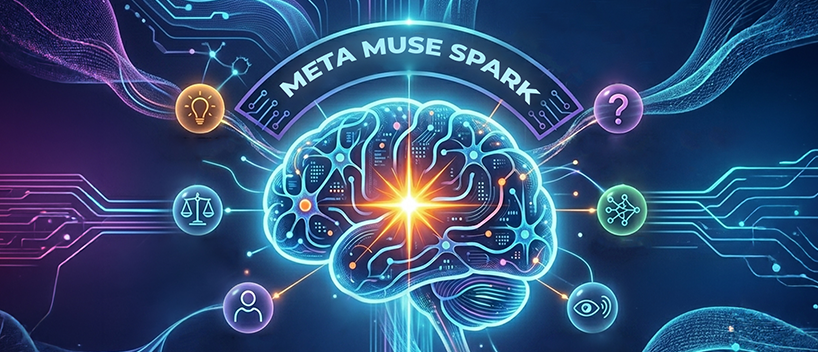
Meta’s Muse Spark introduces a free AI assistant focused on ideation, design, and content creation in one workflow. While it boosts speed and accessibility, it still lacks depth in specialized tasks. Its real impact may depend on future integration. Discover more.
|
|

YouTube is increasing U.S. prices for Premium and Music plans, marking its first hike since 2023. The changes affect all users, with notifications sent in advance. The move comes as subscriptions grow. Will users accept higher costs? Read more.
|
|
Disney plans to cut around 1,000 jobs, mainly in marketing, as part of restructuring amid streaming pressure and shifting industry trends. The move aims to reduce costs and improve efficiency. Even entertainment giants are adapting. What comes next? Read more.
|
|
|
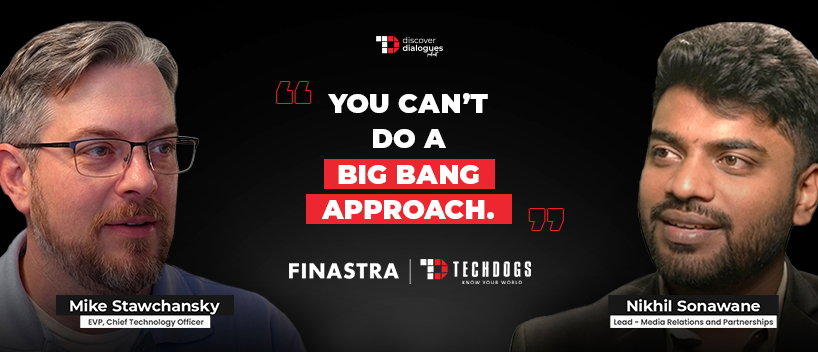 In this Discover Dialogues podcast, Finastra CTO Mike Stawchansky shares how banks can modernize systems without disruption using incremental strategies. He explains why AI should support core systems, not replace them.
Join the conversation. |
|
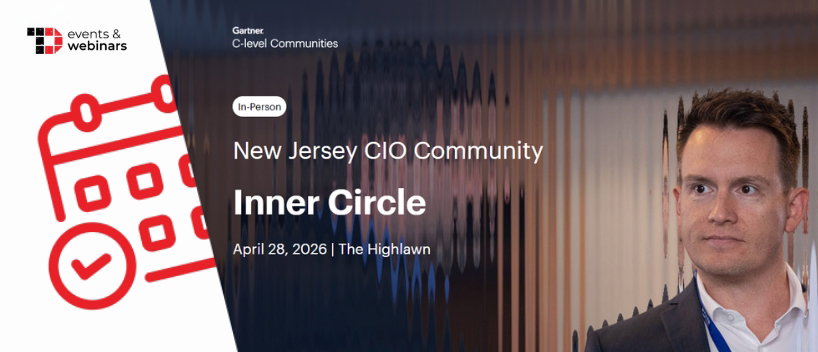
Gartner’s New Jersey CIO Inner Circle 2026 will bring top tech leaders together to discuss real-world AI adoption, governance, and security alignment. The invite-only format highlights growing urgency around AI decisions. What insights will shape enterprise strategy next?
Register now.
|
|
|
That’s all for this edition of #TDFutureFocus.
From AI reshaping creativity to tech giants rethinking strategy and pricing, the pace of change is only accelerating. Stay informed, stay curious, and stay ahead.
We’ll be back with more insights in the next edition.
|