|
|
|
|
“Technology is best when it brings people together.” - Matt Mullenweg.
Hello readers,
Bringing people together is good, but this week, technology is doing more than that.
From China ruling that companies cannot fire workers just to replace them with AI, to NVIDIA’s Jensen Huang arguing that AI will create more jobs than it removes, the debate around AI and employment is playing out in real time.
At the same time, the enterprise race is heating up. Anthropic and OpenAI are committing billions to bring AI deeper into business workflows.
From smart homes becoming simpler and more connected to generative AI turning into core infrastructure, technology is quietly embedding itself into everyday life.
Beyond the headlines, the conversation is getting deeper. In the latest Discover Dialogues Roundtable, HR leaders are discussing how AI is reshaping people, performance, and the future of work. Plus, industry leaders are coming together at the Wealth Tech Summit 2026 to discuss what real AI adoption actually looks like.
A lot is happening, and it’s all connected.
Let’s dive in.
|
|
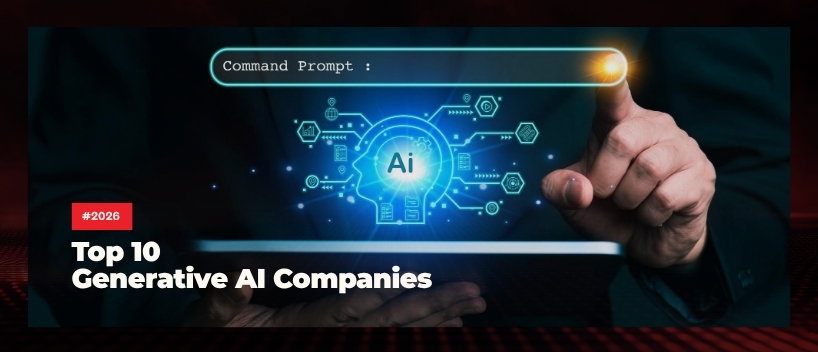
Generative AI is now core infrastructure, with 88% of organizations using it and the market crossing $90B. Leaders like OpenAI, Google, and Anthropic are shifting focus to enterprise execution. Who will dominate the next phase of AI? Read more.
|
|
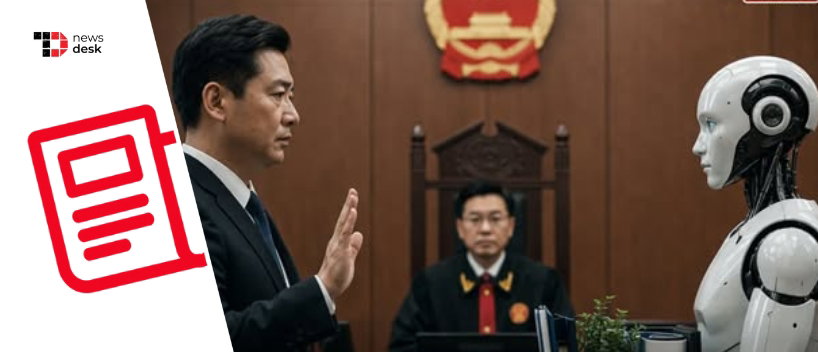
A Chinese court ruled that companies cannot dismiss employees solely to replace them with AI. Employers must justify layoffs with valid legal reasons, signaling stricter oversight as automation rises. Could this reshape global AI hiring practices? Read more.
|
|
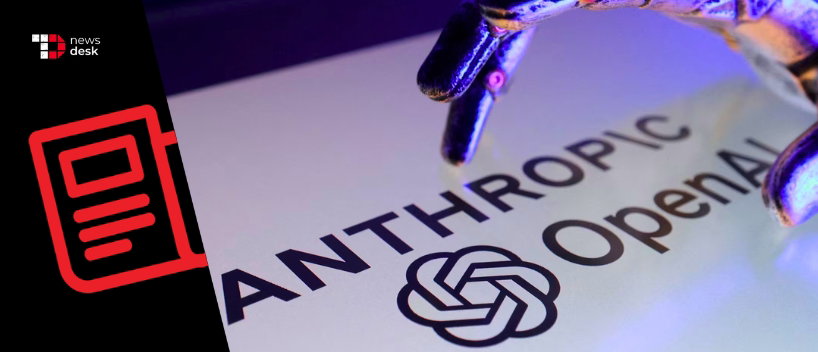
Anthropic and OpenAI are launching billion-dollar ventures to bring AI into real business workflows. With $1.5B and $4B plans, both aim to build tailored enterprise solutions. Who will dominate enterprise AI? Read more.
|
|
|
 |
|
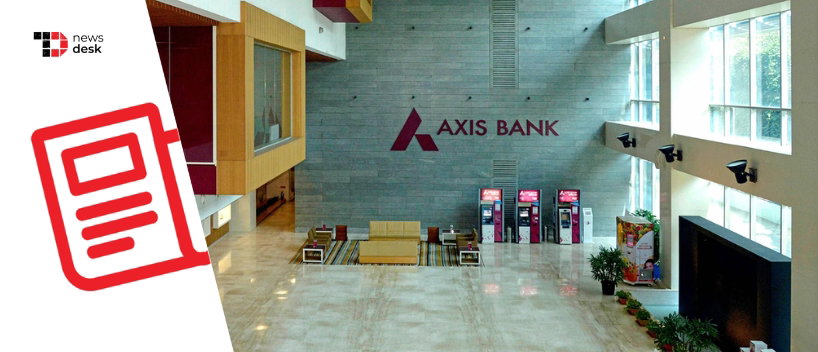
Axis Bank’s workforce fell by 3,100 in FY26, driven by long-term tech-led productivity gains, not layoffs or AI replacement. The bank continues expanding branches while improving efficiency. Is this the future of banking workforce strategy? Read more.
|
|
|
|
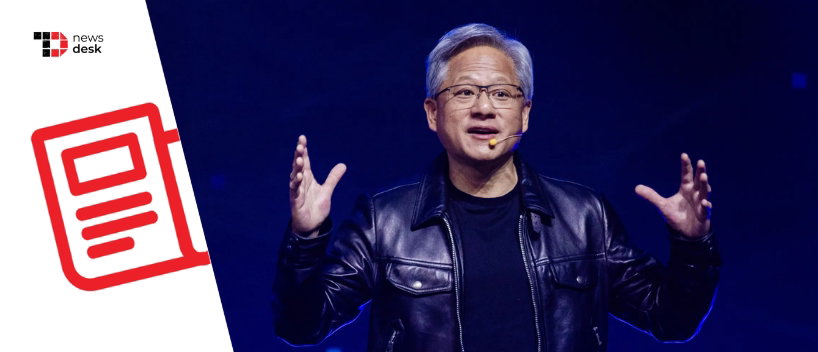
Jensen Huang says AI will drive job creation and boost re-industrialization, arguing it automates tasks, not entire roles. However, estimates still warn of job losses. The debate highlights a shifting workforce. Will AI create more jobs than it removes? Read more.
|
|
 |
|
|

Smart home adoption is rising, with over 51% of U.S. households using connected devices. New standards like Matter are fixing compatibility issues, but choosing the right ecosystem remains key. Are your devices actually making life easier? Read more.
|
|
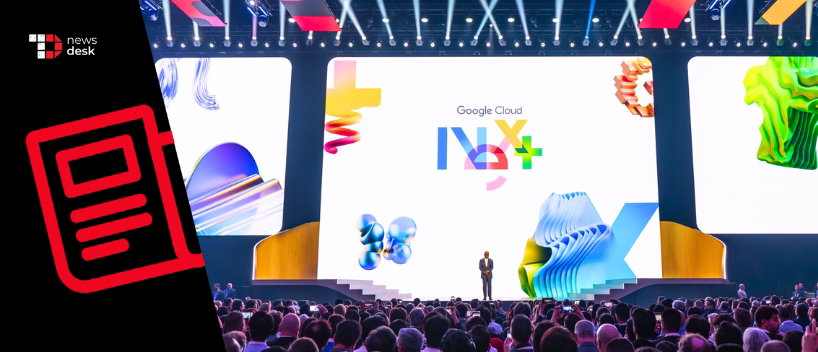
Google Cloud Next 2026 signaled a shift from AI pilots to full-scale deployment, introducing tools like Gemini Enterprise and Agentic Data Cloud. The focus is now on execution across businesses. Is the AI race entering its most competitive phase yet? Read more.
|
|

Netflix will release Narnia: The Magician’s Nephew in theaters worldwide in February 2027 before streaming it in April, marking a major strategy shift. With a 45-day cinema window, can Netflix succeed beyond streaming? Read more.
|
|
|
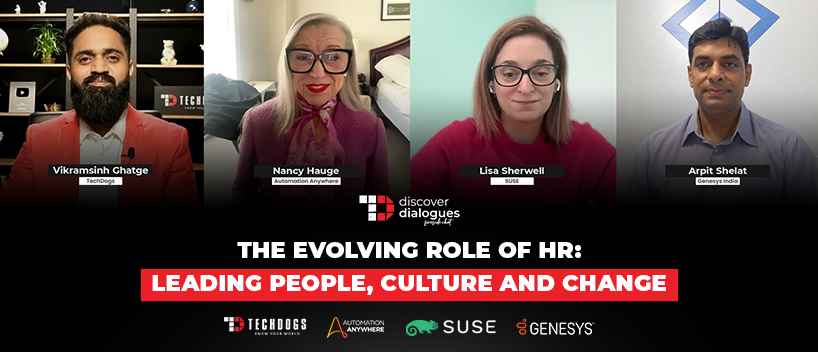 In this Discover Dialogues Roundtable, HR leaders from Automation Anywhere, SUSE, and Genesys discuss how AI is reshaping people, performance, and the future of work. They explore why HR must evolve into a strategic function while keeping the human element at the center.
Join the conversation. |
|
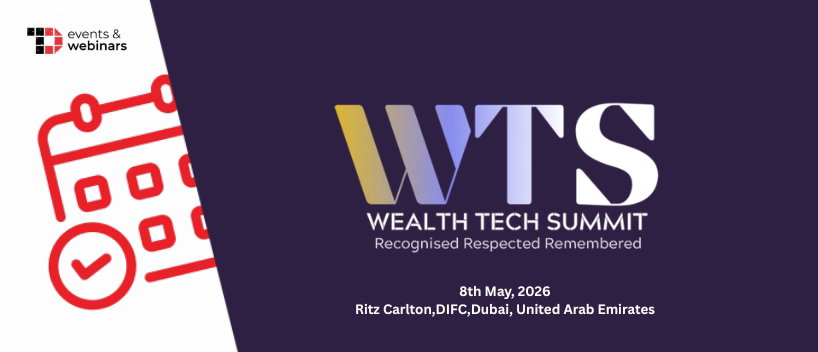
Wealth Tech Summit 2026 will bring financial institutions, fintech leaders, and investment experts together in Dubai to explore how technology is reshaping the future of wealth management. The event focuses on collaboration, innovation, and industry transformation. What opportunities will emerge next?
Register now.
|
|
|
That’s all for this edition of #TDFutureFocus.
As we step into the summer, the tech world shows no signs of slowing down, but one thing we can surely do. Stay hydrated. Stay curious.
We’ll be back with more insights in the next edition.
|