Cyber Security
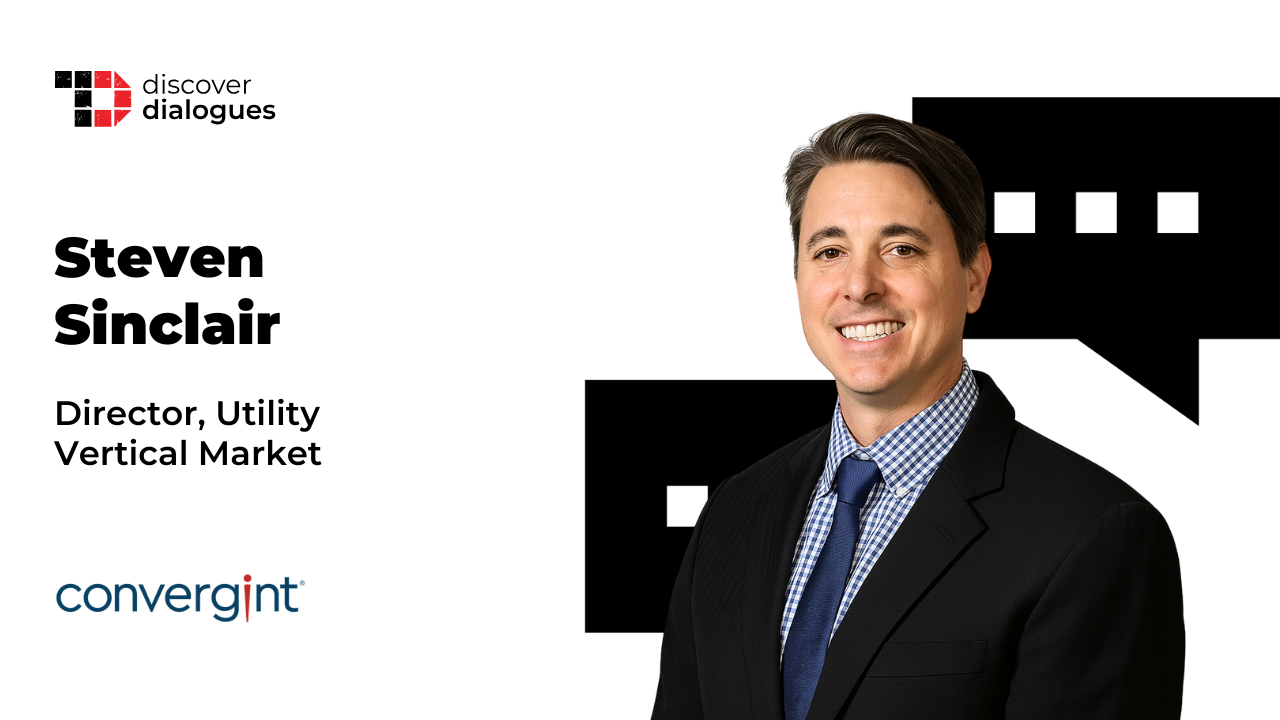
Steven Sinclair, Director At Convergint Technologies On Securing Critical Infrastructure
Share
Overview
Here is a small introduction to Steven:
Steven Sinclair is Director of the Utility Vertical Market at Convergint Technologies, where he leads go-to-market strategy and solution delivery for critical infrastructure clients. With nearly two decades of experience in physical and electronic security, Steven specializes in helping utility organizations modernize their operations through integrated, intelligent, and scalable security platforms.
TD Editor: What’s the first mindset shift required when repositioning analytics as a revenue enabler in utility operations?
Steven Sinclair: Organizations should view security technology not as a cost center for threat detection but as a strategic partner. Your organization’s security infrastructure can provide data and analytic insights beyond the needs of traditional security. These systems are rich with sensors and can be integrated into broader operational technology and information technology platforms. The data and analytics these systems provide can enhance operational efficiency, improve safety, and drive value across various departments. This raises the possibility of unlocking new budget sources. It really is a new mindset and an enhancement for organizations that can provide business impact and result in multiple benefits.
TD Editor: How do you scale data strategy without overwhelming the day-to-day decision-making processes in utility operations?
Steven Sinclair: Through automation. There are a couple of things we could point out. In many security operations centers (SOCs), there are security analysts. When they are looking at monitors for their entire shift, the monitors become a lot to manage through pure observation unless there are prompts. The industry has responded by building automation and AI into camera technology. They can detect whether someone or something has crossed a perimeter. The next question is, what else can we automate? It turns out that data allows us to automate a lot more, and that’s where we start getting into using security technology as operational technology. To get the most out of these assets, organizations should leverage integrated security platforms that unify data from access control, cameras, sensors, and operational systems.
TD Editor: What does a “mature” utility organization look like when it comes to data governance and analytics fluency?
Steven Sinclair: Mature organizations break down departmental silos to foster collaboration between security, operations, and HR teams. These utility organizations typically leverage security data for operational intelligence to help them demonstrate tangible ROI for tasks like downtime and safety compliance management. Additionally, by breaking down these silos and leveraging data effectively, “mature” organizations can use this data and analytics to showcase how security systems can benefit an entire organization, securing additional funds and proving that security is a strategic asset instead of a cost center.
TD Editor: What advice would you offer utility c-suite executives who are hesitant about investing in data transformation?
Steven Sinclair: Start by looking inward. Map how data flows between your departments, and where it doesn’t. Many utilities are still operating in silos, with legacy systems and disconnected workflows that hinder quick response, accurate forecasting, and efficient coordination. Data transformation unifies these segmented processes.
Begin with one function, like outage response or asset maintenance, and invest in tools that centralize, analyze, and share data across departments. If you’re hesitant, look at how peers are already treating data as a strategic asset, not just for IT, but for operations, safety, and long-term resilience.
TD Editor: From your perspective, what’s more critical in the data transformation journey: upgrading tools or evolving trust in the data?
Steven Sinclair: While both of these are critical to the security data transformation journey and contribute to helping view security as a strategic asset instead of a cost center, evolving trust in the data is more critical for a successful data transformation. Without trust in the data's accuracy and the willingness of different departments to share and act upon it, even the most advanced tools will remain underutilized. Cultural shifts, transparent data governance, and demonstrable ROI are essential to building this trust and enabling the organization to fully leverage its upgraded technological infrastructure.
Mon, Aug 25, 2025
.png?ext=.png)
Liked what you read? That’s only the tip of the tech iceberg!
Explore our vast collection of tech articles including introductory guides, product reviews, trends and more, stay up to date with the latest news, relish thought-provoking interviews and the hottest AI blogs, and tickle your funny bone with hilarious tech memes!
Plus, get access to branded insights from industry-leading global brands through informative white papers, engaging case studies, in-depth reports, enlightening videos and exciting events and webinars.
Dive into TechDogs' treasure trove today and Know Your World of technology like never before!
Disclaimer - Reference to any specific product, software or entity does not constitute an endorsement or recommendation by TechDogs nor should any data or content published be relied upon. The views expressed by TechDogs' members and guests are their own and their appearance on our site does not imply an endorsement of them or any entity they represent. Views and opinions expressed by TechDogs' Authors are those of the Authors and do not necessarily reflect the view of TechDogs or any of its officials. While we aim to provide valuable and helpful information, some content on TechDogs' site may not have been thoroughly reviewed for every detail or aspect. We encourage users to verify any information independently where necessary.
Loading comments...